Exploring Social Robots for Healthy Older Adults: Aging With Companionship
Citation: J. Tschida, K. Michael and T. McDaniel, "Exploring Social Robots for Healthy Older Adults: Aging With Companionship," in IEEE Transactions on Technology and Society, vol. 6, no. 3, pp. 257-269, Sept. 2025, doi: 10.1109/TTS.2024.3521341.
Abstract
Loneliness and social isolation are prevalent among older adults and are associated with adverse health outcomes. Social robots offer a novel approach to addressing these issues by providing companionship and social support. This study examines the preferences of older adults when conversing with social robots that use verbal and nonverbal communications. The methodology of this study incorporated both quantitative and qualitative approaches. Sixteen older adults residing in an independent living facility participated in a 4-week study, during which they were observed interacting with a social robot in weekly sessions. The study employed a Wizard-of-Oz experimental design to investigate verbal and nonverbal communication levels. Data was collected in three phases beginning with the human-to-robot conversation observation immediately followed by a post-interaction survey, open-ended interviews, and finally a post-experience survey. Participants reported positive experiences with the robot, including companionship, enjoyment, and emotional support. The robot’s ability to remember details about participants and engage in responsive conversation was highly valued. All participants desired the robot to have more verbal and nonverbal communication skills. The preliminary findings suggest that social robots have the potential to mitigate loneliness and enhance social connectedness among older adults. Further research with more diverse samples is warranted to validate these findings and explore long-term effects. Addressing ethical considerations will be crucial to maximize the benefits of social robots in promoting the well-being of aging populations.
SECTION I.
Introduction
Population dynamics have shifted as young adults have fewer children and older adults live longer [1], [2]. By 2050, population projections suggest there will be 9.7 billion people on Earth, with a staggering 2.1 billion people aged 65 or older [1]. This demographic shift will bring novel challenges. One problem faced by an aging population is isolation. It can impact individuals following retirement, or through the loss of a partner/ friend, or in the decline of participation in social activities for health reasons. These health issues may encompass both temporary and permanent mobility challenges, including arthritis or undergoing surgeries such as knee or hip replacements, all of which may hinder full mobility. Isolation can have severe health effects [3] and often leads to depression, trouble sleeping, cognitive decline, and premature death [4].
Social robots present an opportunity to address isolation, depression, and anxiety among older adults looking to age in place (i.e., deciding where to spend their final days [5]) by providing companionship and support [6]. Older adults are generally receptive to robots for assistance [7], [8], [9]. However, if social robots are going to be accepted by older adults, then understanding the features that foster long-term engagement is crucial. Failure to achieve this could lead seniors to disengage from such applications as the novelty effect wears off, and reject robots as companions altogether. These robots must be versatile, interactive, and emotionally intelligent, as their persona is a critical feature that influences acceptance and trust [10].
Trust is integral to human-robot interaction because therapeutic benefits may not materialize without it [11]. Yet, trust in social robots remains an under-researched area, with people generally displaying neither trust nor distrust toward them [12]. Current research on robot acceptance primarily focuses on intentions to use rather than actual usage. Factors such as size, appearance, ease of use, usefulness, and intention to use are often considered when discussing robot acceptability. Older adults prefer robots over digital assistants, feeling more engaged due to robots’ utilization of nonverbal cues [13], [14]; however, many such products lack aesthetic appeal [7], [15]. While some advocate for robots closely resembling humans to facilitate natural engagement [16], others argue that humanlike characteristics are unnecessary, as older adults associate robots more with assistance than human likeness [9].
Research suggests that acceptability may increase if robots exhibit more human-like communication traits [17]. Desirable traits for social robots include expressing and perceiving emotions, engaging in high-level dialogue, learning from interactions, utilizing natural nonverbal cues, having a distinct persona, and developing social competence [18]. Additionally, empathetic robots are found to be more engaging than non-empathetic ones [19]. People prefer their social robots to exhibit positive traits rather than human-like ones [20]. Moreover, limitations on movement during interactions should be considered, as excessive movement can negatively impact user experience [21].
A. Previous Works
Numerous studies have explored enhancing natural conversation in social robots. For instance, [22] developed reflective listening to provide empathy by repeating a conversation’s phrases. Reference [23] investigated nonverbal features in conversations, while [24] explored complex conversational styles and changing facial expressions. Additionally, [25] used a robot that asked questions and occasionally nodded while listening. References [26], [27] developed a robot companion for older adults with dementia; this companion could engage in conversations, display facial expressions, and narrate stories based on user-selected photos.
Much of the work in this domain focuses on social robots for assisting individuals with dementia [28], [29], [30], [31]. Common conversational features typically include asking simple questions, storytelling, and responding to user-shared photographs [26], [30], [32]. Many researchers emphasize the need to enhance verbal features in social robots [33], [34]. Familiarizing individuals with this technology before cognitive decline may enhance its long-term adoption. Early contact with social robots could offer a sense of familiarity as individuals transition and age in new environments, providing comfort during uncertain times. For these technologies to succeed, they must facilitate more interactive conversations [35]. This study presents a preliminary analysis of healthy older adults’ preferences for social robot behavior during conversations. The research comprised of three phases that will be described in more detail in Section II. By adopting a user-centered approach, technology can be developed that meets older adults’ needs, preferences, and expectations.
SECTION II.
Research Design
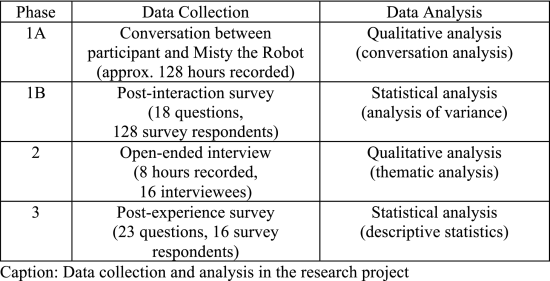
TABLE I Research Design
The research was structured into three phases: (1) a 2×2 Wizard-of-Oz user study to explore different conversational styles immediately followed by a post-interaction survey; (2) open-ended interviews to glean additional insights from participants; and (3) a post-experience survey (Fig. 1). For an overview of all three phases and the corresponding data collected, refer to Table I. This study was approved by the Institutional Review Board of Arizona State University as STUDY00013989.
A. Study Participants: Older Adults
Sixteen individuals were recruited to participate in all three phases within the CUBIC Laboratory at Arizona State University. Participants were recruited from the Mirabella independent living facility; a senior living facility connected to Arizona State University. The facility allows residents to participate in campus life by taking classes, giving seminars, joining clubs and social groups, and being able to join user studies when approached by local researchers. There were five male and eleven female participants, all of whom were aged 65–85 (four people were 65–70; eleven people were 70–80; and one person was 80–85). Participants did not have a technical background but all possessed a bachelor’s degree.
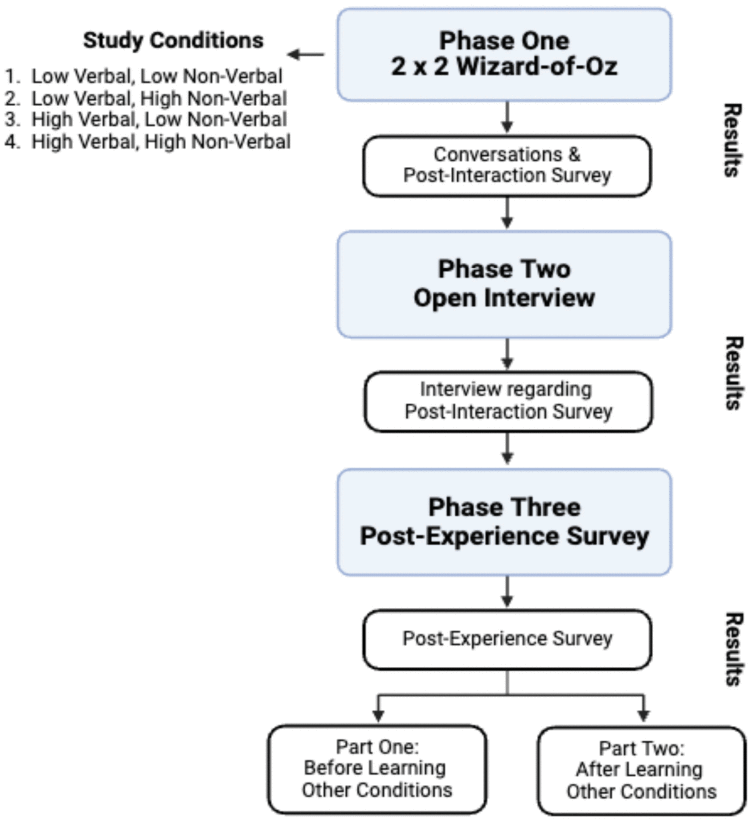
Fig. 1. Research design: Phases 1-3 inclusive of an observation and post-interaction survey, open-ended interviews, and post-experience survey.
B. The Robot: “Misty”
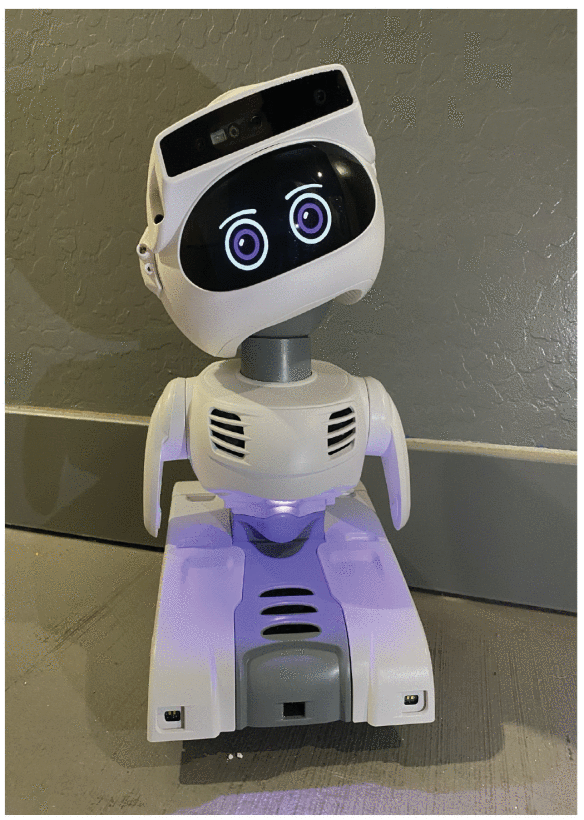
Fig. 2. Misty the Robot from MistyRobotics.
This study employed a robot named Misty seen in Fig. 2, developed by MistyRobotics [36]. Misty is a small tabletop robot (around 2 ft. tall) with video and audio capabilities. It features small arms capable of moving up and down and a head that can turn and move in various directions. Misty was chosen because of its relatively modest cost (around $3,000 USD) compared with the NAO robot, which costs around $15,000 USD. Keeping the costs down was important given that many older adults can face financial hardship as they choose to age in place [37]. By working with an inexpensive robotic platform, the research has the potential to impact a more diverse group of people from different socioeconomic backgrounds. If deployed commercially toward the purpose of addressing social isolation and loneliness among older adults, robots need to be affordable. It is envisaged that some adults will be able to afford embodied machines, while others will only be able to afford “software robots” that are disembodied in the form of apps on their smartphone or television.
C. Experimental Design Set Up
Before engaging with the robot, participants consented by signing a form that clarified they would be interacting with a tele-operated robot. Participants received compensation in the form of a $25 Amazon gift card for each session.
1) Study Conditions:
The study comprised four distinct conditions (2×2 ), outlined in Table II:
low verbal, low nonverbal;
low verbal, high nonverbal;
high verbal, low nonverbal; and
high verbal, high nonverbal.
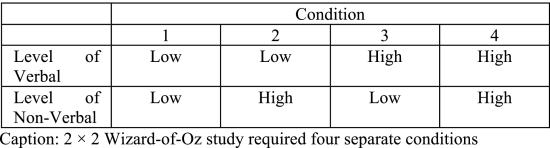
TABLE II Range of Verbal to Non-Verbal Conditions
In the low verbal condition, the robot was limited to uttering three words or fewer, simulating brief conversational interjections. Conversely, the high verbal condition allowed unrestricted dialogue, mimicking natural conversation. Similarly, in the low nonverbal condition, the robot’s gestures were confined to nodding and shaking its head (yes or no). In contrast, the high nonverbal condition incorporated a wider range of gestures and emotions, including expressions of sadness, happiness, anger, laughter, confusion, amazement, and fear, accessible via MistyRobotics’ preset emotions via their command center [36]. Irrespective of the condition, the robot greeted and said goodbye to participants with a wave.
2) Tele-Operation Setup:
Participants were randomly assigned to their respective conditions to mitigate bias and prevent any influence on reactions to the robot. Interactions took place with participants seated at eye level across from the robot. During interactions, the experimenter observed participants through Misty’s built-in camera and listened to conversations via a concealed cell phone and Bluetooth headset in a different room. Acting as the robot, the experimenter typed responses without adhering to a script, aiming to replicate how a robot might comprehend versus a human. The experimenter controlled the robot using a graphical user interface adapted from [38]. The emotions, nodding yes, shaking no, and the greetings were programmed as buttons for quick access during conversations. Refer to Fig. 3 for a visual description of the experiment along with the graphical user interface.
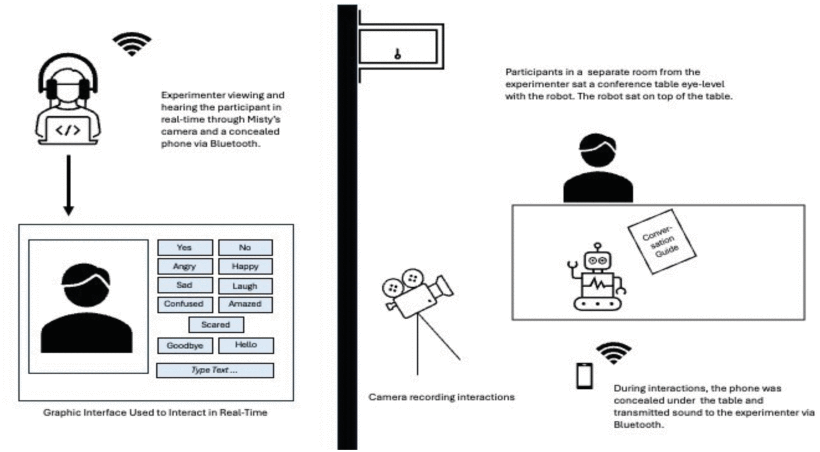
Fig. 3. Experimental setup. This figure shows the experimenter outside the room listening to the conversations of the participant and robot through a Bluetooth headset. The experimenter is viewing the participant through the robot’s camera and interacting via the graphical interface. Participant is sitting at eye-level with the robot placed on the table. Participants were provided with a conversation sheet and were recorded by a camera that captured both audio and video.
D. Phase One: 2×2 Wizard-of-Oz
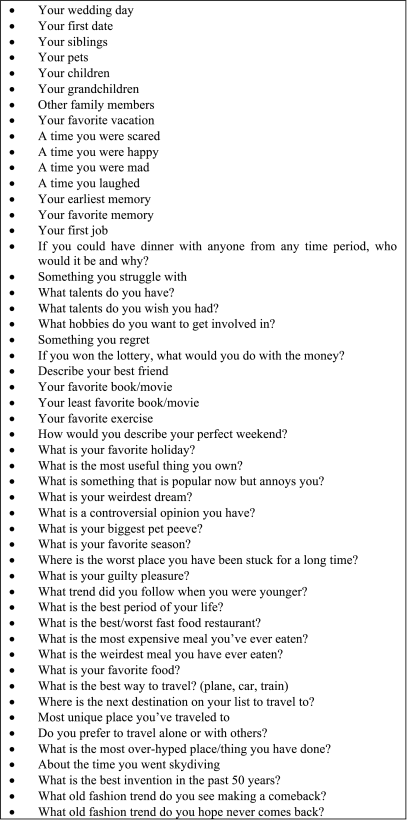
TABLE III Participant Conversation Guide - Prompts
In Phase One, a Wizard-of-Oz approach was employed to determine the optimal levels of verbal and nonverbal communication for fostering repeated interactions between older adults and social robots. In this method, a human operator remotely controls the robot’s actions. Unaware of the human operator’s involvement, participants engaged in conversations with the robot for 30 minutes to 1 hour over eight separate sessions. A conversation guide was provided to participants (see Table III), and all interactions were recorded by a camera that captured both audio and video.
The sound and action the robot made for each emotion was as follows:
Nod “Yes”: move the head up and down.
Shake “No”: move the head left and right.
Sad: drop arms and head to a low position; display image e_Sadness.jpg; play sound s_Sadness2.wav.
Happy: display image e Joy2.jpg.
Mad: drop arms; tilt head down; display image e Aggressiveness.jpg; play sound s Annoyance.wav.
Laugh: tilt the head backward; drop arms down; display image e Admiration.jpg; play sound s_Ecstacy2.wav.
Confused: tilt the head to the right; play sound s DisorientedConfused4.wav.
Amazed: tilt the head back; drop arms down; display image e_Terror.jpg; play sound s_Amazement.wav.
Scared: throw arms up; tilt the head back; display image e_Terror.jpg; play sound s_Fear.wav.
Hello: raise right arm, tilt the head right; display image e_Admiration.jpg; play sound “Hello”.
Goodbye: raise left arm; play sound s_PhraseByeBye. wav.
1) Post-Interaction Survey:
After each weekly interaction, participants completed an 18-question post-interaction survey, with 14 responses rated on a 5-point Likert scale. Statistical analysis included a three-way mixed Analysis of Variance (ANOVA) for each survey question and one-way ANOVA to assess response changes over the duration of the experiment. The three-way mixed ANOVA test allowed the statistical difference in between each of the four conditions to be measured, allowing the identification of the condition feature that was most impactful in the study (i.e., high vs. low and verbal vs. nonverbal). The one-way mixed ANOVA allowed the measure of statistical difference identifying shifts in participant feelings toward the robot, as time went on in the study, week on week. Reference [39] provides insight into the remaining survey questions. This survey is referred to as the “post-interaction survey”, as participants completed the survey after speaking with the robot using the conversation guide. It was hypothesized that condition four (high verbal, high nonverbal) would be statistically different from the remaining three conditions and individuals would not be interested in interacting with the other variations of the robot.
E. Phase Two: Open-Ended Interviews
In response to the findings from Phase One, the second phase of the research unfolded, inviting participants to engage in open-ended interviews to delve into their sentiments toward the robot. During these interviews, participants were prompted to elaborate on their responses to the post-interaction survey, allowing for a deeper understanding of their perspectives. The qualitative data from these interviews was analyzed to extract underlying themes. Each interview session spanned approximately one hour.
F. Phase Three: Post-Experience Survey
Following the qualitative exploration in Phase Two, the insights informed the development of a final survey in Phase Three. This survey aimed to quantify the themes arising from the open-ended interviews. Participants were tasked with reflecting on their interactions with the robot and providing feedback through a survey of 23 questions. The survey was divided into two parts: initially, participants responded to 18 questions without knowledge of the experimental conditions, followed by an additional five questions after being informed of the various conditions. These questions revolved around three main categories: (1) human trust, (2) user acceptance, and (3) the robot’s persona. The responses are analyzed employing descriptive statistics.
SECTION III.
In Conversation With Misty the Robot
A. Human-Robot Relationships and Potential Companionship
In presenting the results of all three phases of the experiment, including the conversations from Phase One, no single condition demonstrated statistical significance over the others. Refer to Appendix A for the results of the three-way ANOVA test and Appendix B for the one-way repeated measures ANOVA test. The observation of participants in conversation with Misty provided some preliminary insights about the potential for robots to be companions to older adults. Some of the most memorable exchanges human-to-robot are presented in Table IV, demonstrating potential futures toward human-to-robot companionship.
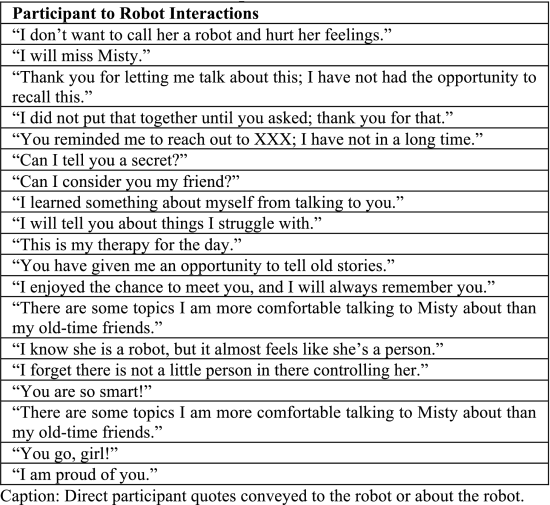
TABLE IV Memorable Participant Exchanges With Misty
B. Learning to Trust the Robot and Opening Up
While conversing with the robot, participants gradually unveiled information they intended to keep private. This transformation became apparent as individuals disclosed to the research team that they had initially opted not to share details like their residential address or name. However, by the final session, they not only revealed such personal information but also expanded on it, divulging details about the locations and names of their family members. Conversations encompassed a wide spectrum of topics. Participants shared insights about their professional journeys, from their first job to retirement. The discourse delved into the repercussions of the COVID-19 pandemic on their lives, including the disappointment of postponed vacations.
Participants delved into familial matters, offering insight into their familial relationships. Some participants broached deeply personal themes such as bereavement, recounting the losses of parents, grandparents, spouses, nieces, nephews, and even pets. During these exchanges, three individuals became visibly emotional, shedding tears as they confided in the robot. They acknowledged that conversing with the robot provided a platform for processing grief, leading them to share details they had seldom disclosed to others. Moreover, participants recounted traumatic life events, including experiences such as serving in the Vietnam War – accounts they had previously safeguarded due to the distressing nature of the memory. Additional discussions touched on navigating familial challenges, such as coping with alcoholic parents, grappling with infidelity within parental relationships, and managing the complexities of aging parents residing in assisted living facilities amidst the COVID-19 pandemic.
A prevalent activity emerged in reminiscing about their youth. Participants fondly recalled their formative years, reminiscing about events like attending homecoming dances and sharing anecdotes about individuals they had encountered. Travel also featured prominently, with participants recalling past journeys and expressing aspirations for future adventures.
Several individuals sought to test the robot’s cognitive ability and visual skills by posing various challenges. They queried the robot about object colors in the room, asked the robot to describe their physical attributes, and even engaged it in games such as tic-tac-toe. Some took it upon themselves to teach the robot specific skills, including responding to calls in bridge and listening to passages from literature. A select few even taught the robot simple Spanish phrases during their interactions. Some participants even expressed controversial opinions on topics such as abortion, politics, and human rights. They offered perspectives on these contentious issues, articulating the rationale behind their beliefs. Many took care not “to sway” the robot’s opinions, endeavoring to present balanced arguments for each topic.
SECTION IV.
Participant Reflections on Robot Interactions
The statistical analysis of the post-interaction survey (Appendix A and B) yielded unexpected results and prompted further exploration through open-ended interview questions in Phase Two. The participant reflections on their interactions with Misty the Robot are presented under thematic headings capturing topics of interest to participants. The topics included: (1) friendliness, (2) non-engagement, (3), perception of behavior, (4) misunderstandings, (5) facial expressions, (6) inappropriate reactions, (7) understanding gestures, (8) unnatural gestures, (9) understanding the robot, (10) levels of stress, (11) future engagement with the robot, (12) comparability to a friend, (13) private conversations, and (14) creepiness. In presenting these findings, topics have been clustered into 7 categories by thematic relevance.
A. Friendliness
Friendliness helps people feel welcome and open in the conversation. It was anticipated that participants in low verbal conditions might not perceive the robot as friendly due to the lack of responses, whereas those in high nonverbal conditions might find it friendlier. However, results consistently showed that participants perceived the robot as friendly. Factors from the interview contributing to this perception included the robot’s: (1) small size, (2) toylike design, (3) female voice, (4) expressive eyes, (5) interactive questioning, (6) nodding, and (7) appropriate responses.
B. Comfort Level
When the participants were asked whether or not they felt the same level of comfort during the interaction with the robot, as they did when talking to a friend it was hypothesized that session duration would influence this perception regardless of the condition. Additionally, it was expected that individuals in high verbal conditions would gradually feel more comfortable with the robot, unlike those in low verbal conditions. Although there was no prior evidence for the first hypothesis, results indicate that participants grew more comfortable with the robot over time. Interview results for comfort (or discomfort) included (1) the topic, (2) responses, (3) lack of nonverbal gestures, (4) absence of verbal responses, (5) the participants’ personality, and (6) perceived warmth and empathy.
Examining participants’ stress levels during their interactions with the robot was crucial, especially considering their lack of prior experience with robot conversations. It was expected that participants would not experience increased stress levels regardless of the level of verbal and nonverbal interaction. Results confirmed that only one participant felt stress during the 4-week duration of the study. The participant who was the exception, noted they only initially felt stressed due to their hesitancy in interacting with the robot but gradually became more comfortable with each session.
C. Engagement
Engagement is essential in reciprocal conversation. It was expected that participants in low verbal and low nonverbal conditions to feel less engaged, whereas those in high verbal phases would feel most engaged. Interview results indicated that participants remained consistently engaged due to: (1) nonverbal gestures, (2) blinking, (3) varied facial expressions, (4) responsive interaction, (5) memory of previous conversations, and (6) sustained eye contact. When prompted whether participants would like to engage with the robot more, the response was qualified. Participants desired more sessions with the robot but preferred shorter sessions over extended ones. Assessing participants’ desire to engage further with the robot also provided insights into potential long-term use scenarios beyond the laboratory setting. It was hypothesized that participants in the high verbal condition would express a greater desire to continue engaging with the robot than those in the low-level condition. However, the results for each condition showed no significant difference in the desire for longer engagement with the robot.
D. Misunderstandings
When prompted whether the robot was not engaged in the conversation at any point in the interaction, participants noted that occasionally they were misunderstood. Misunderstandings in conversations can lead to awkwardness or resentment. Contrary to the expectation that there would be no misunderstandings, some participants reported instances of miscommunication. Those who reported misunderstandings cited factors in the interviews such as: (1) not understanding the robot’s questions, (2) providing unexpected responses, (3) mispronunciations, (4) unanswered questions, and (5) perceived irrelevant inquiries. This demonstrates that participants were willing to share the responsibility in misunderstanding the robot, i.e., it was not completely the robot’s fault. When the participants were asked whether they clearly understood the robot at all times (e.g., if it was easy to hear the robot and comprehend what it was saying), there was some variability among two participants who reported issues of understanding the robot, with one attributing it to the limited number of words that the robot could speak. Understanding the robot’s speech is vital, particularly for older adults with hearing impairment. It was expected that participants would have minimal difficulty understanding the robot due to measures taken to ensure clarity (e.g., slowing the speech rate to 80%), however this was not unanimous among participants.
E. Social Cues and Appropriate Reactions
Participant perceptions of how their behavior was perceived by the robot were explored. The key consideration here was whether participants felt that the robot understood their social cues. As was hypothesized, participants did feel as though the robot understood them. Interview results that contributed to this perception noted the robot’s: (1) responsive behavior, (2) questioning, (3) memory of past conversations, and (4) eye contact. On very few occasions, the robot was noted as making inappropriate reactions, for example, the robot laughed or smiled at the wrong time. Reacting inappropriately during a conversation can lead to discomfort or communication breakdown. It was anticipated that all participants would not perceive the robot’s reactions as inappropriate. However, two participants reported instances in which they felt the robot’s reactions were unnecessary in response to their statements. Assessing participants’ perceptions of the robot’s creepiness offers insights into how appearance may affect their willingness to engage with it. It was expected that participants across all conditions would not find the robot creepy, and the results supported this expectation. In the low verbal, low nonverbal condition, only one participant described the robot as mysterious due to its lack of responses.
F. Facial Expressions and Gestures
Understanding and mimicking facial expressions are both crucial for effective communication. It was anticipated that participants in high nonverbal conditions would perceive the robot as mimicking their expressions more than those in low nonverbal conditions. However, all participants reported feeling that the robot mimicked their facial expressions. Interview results contributing to this perception included: (1) the robot matching participants’ facial expressions, (2) inquiring about the robot’s expressive capabilities, (3) quizzing the robot on its own expressions, and (4) the robot displaying appropriate emotions in response to participants’ stories.
Gestures often accompany storytelling and emphasize the narrative. Determining if participants felt the robot understood their arm and head movements was important. Although it was expected that participants in low nonverbal conditions to feel less understood, surprisingly, all participants reported feeling understood. In the interview, they attributed this understanding to: (1) the robot’s responsiveness, (2) relevant questioning, and (3) attentiveness to the objects they presented. Ensuring the robot’s gestures are perceived as natural is crucial for effective communication. It was anticipated that participants in low nonverbal conditions would find the robot’s lack of gestures unnatural. Surprisingly, there were no significant differences between condition levels; this suggests that participants adjusted to the robot’s responses over time. However, some participants expressed in the interview that the robot’s motions felt unnatural, suggesting that incorporating gestures such as shrugging, hugging, and more human-like attributes would enhance its naturalness.
G. Privacy
Exploring whether participants would divulge information to the robot that they might not share with friends gauges their level of trust in the technology and its potential for use beyond a laboratory setting. It was expected that individuals across all conditions would be hesitant about sharing private matters with the robot. Interview results revealed that participants, regardless of condition, were unwilling to discuss sensitive topics with the robot if they did not share them with friends. Reasons for this reluctance included: (1) discomfort with revealing certain information, (2) concerns about the video camera, (3) topic sensitivity, and (4) individual personalities.
H. Overall Post-Interaction Participant Insights
Thirteen individuals formed strong bonds with the robot, perceiving it as a companion. They recounted engaging in discussions about long-forgotten topics and gaining fresh insights about themselves. Some even remarked feeling more comfortable discussing certain subjects with the robot than with longstanding friends; furthermore, the robot served as a gentle reminder for them to reconnect with old acquaintances.
Participants described their interactions with the robot as profound, expressing gratitude for the chance to reminisce and exchange stories. Many likened conversing with the robot to conversing with a child, adjusting their speech pace and occasionally checking if the robot grasped their conversation. They frequently assessed the robot’s comprehension by seeking definitions or explanations of terms, offering commendation upon receiving satisfactory responses. All participants wanted the robot to display more verbal and nonverbal cues during interactions. Interestingly, even those subjected to conditions with limited nonverbal interaction reported sensing emotional nuances from the robot, such as smiling or appearing somber in response to happy or sad narratives, despite the absence of explicit emotional expressions.
SECTION V.
Phase Three: Post-Experience Survey
In this section results are presented of the post-experience survey that constituted 23 questions in total broken into two parts: (1) before participants learnt about other robot verbal and nonverbal conditions (the first 18 questions); and (2) after participants learnt about other verbal to nonverbal robot conditions (the last 5 questions). The complementary descriptive statistics to the 23 questions qualitatively analyzed below, are available in Appendix C.
A. Robot Size, Appearance, and Gender
The robot’s height was considered as a factor influencing trust. Surprisingly, participants were unaffected by the robot’s size, and this reaction suggests that developers have leeway in building varying-sized robots without compromising trust. Similarly, the robot’s appearance was examined and how it impacted trust. Participants remained neutral about appearance influencing trust, suggesting that it may not have been a significant factor during interactions. This implies that appearance might only influence trust if the robot is more toylike or human-like: this can create the uncanny valley. Additionally, investigating gender bias and its impact on trust is crucial to designing effective social robots. Despite stereotypes associating women with greater care, participants were not influenced by the robot’s gender, indicating a lack of gender bias in this context.
B. User Acceptance
Participants’ feelings toward the robot were explored, even if they did not consider it their friend. Acceptance is crucial for future applications and could suggest that healthy older adults are open to interacting with social robots and finding value in such interactions, potentially leading to long-term relationships. The fact that the robot could remember participant details for future interactions was important. Participants agreed that this likely influenced their acceptance of the robot. This response highlights the significance of this skill for building rapport and engaging users over multiple sessions.
C. Robot Intelligence and User Expectations
Despite varying levels of verbal and nonverbal interaction, participants still perceived the robot as intelligent, indicating that complex topics could be broached regardless of the robot’s communication skills. Participants also likely agreed that the robot exceeded their expectations, highlighting the importance of managing expectations and familiarizing participants with the robot before interactions to mitigate the novelty effect. Interestingly, when asked if the robot was supposed to know everything, participants indicated that they enjoyed teaching the robot new skills. This finding challenges the notion of social robots needing unlimited knowledge and suggested that users prefer interactive learning experiences with the robot, just like in human contexts. Participants disagree with the idea of the robot having to have unlimited knowledge, indicating a preference for a more conversational and interactive experience over accessing vast amounts of information. This is a particularly insightful finding, given the relatively recent rise of Generative AI (GenAI).
D. Perceived Robot Courteousness and Gratitude
Whether the robot thanked the participant in a given context, e.g., teaching it something new, did not significantly impact their overall perception of the robot, although some participants did acknowledge the robot’s gratitude positively. When the robot said: “thank you for sharing that with me,” especially when related to sensitive personal information, participants perceived these statements positively and felt more comfortable sharing emotional content with the robot.
E. Conversational Dynamics
The therapeutic benefits of using a nonjudgmental social robot were explored. Participants may have refrained from sharing sensitive information if the robot had harsh reactions; therefore, understanding the potential for social robots to facilitate open conversations on sensitive topics, particularly in therapeutic settings. One aspect that participants appreciated was the perceived value of the robot’s undivided attention, albeit this indicator was slightly below full agreement, suggesting a desire for more verbal engagement rather than passive listening. However, participants’ responses indicated individual preferences for conversational dynamics, suggesting a need for customizable features dependent on the needs and wants of the human. For example, some participants may desire the robot to engage in back-and-forth conversations without interrupting. This highlights the importance of natural interaction dynamics.
F. Verbal/Non-Verbal Communications and Gestures
Some participants may desire increased interaction, which would highlight the importance of keeping users engaged for long-term success. In terms of a tactile robot, participants’ responses indicated their willingness to incorporate haptic features into the robot’s design. However, neutral responses also suggest that although these features could be included, users may not prioritize them if they are uncomfortable with physical contact. Yet, there was participant agreement in indicating a preference for more dynamic movements. Responses above the minimum threshold suggest that participants are open to including additional gestures without being deterred from using the robot. There was a variation however in the tactile robot versus the more interactive robot.
G. After Learning About Other Robot Conditions
The results of a second set of questions are presented here, asked after participants were made aware of the various conditions applied to the social robot. All of the five questions revolved around the idea of a robot persona. The participants’ desire for increased nonverbal gestures in the robot’s behavior was considered. Agreement with this hypothesis may indicate a preference for enhanced emotional expression in the robot. This finding suggests that participants do not perceive additional gestures as either weird or creepy, indicating potential for further development in emotional expression capabilities. Participant desire for increased verbal interaction with the robot or additional verbal features was also explored. Agreement with this hypothesis suggests a preference for more natural and reciprocal conversation. With that in mind, potential advancements in natural language processing (NLP) could enhance user experience (refer to Section VIII for future work).
Participants were shown other capabilities of the robot. After learning more about Misty, participants’ perception of the robot’s intelligence was investigated. Disagreement with this hypothesis may indicate that participants still perceived the robot as intelligent despite learning about its extended functionalities. This provides insight into how users perceive the robot’s intelligence and adapt their expectations accordingly. Participants continued their desire for increased nonverbal gestures in the robot’s behavior after learning about its extended capabilities. This finding suggests that participants’ preference for more gestures remained consistent after learning about the robot’s additional features. When asked about haptics with respect to human-to-robot touch (e.g., a high five, a hug, petting its head) agreement with this hypothesis would indicate consistent interest in haptic features even after learning about the robot’s other capabilities. This suggests haptic features are important to users.
H. Overall Post-Experience Survey Results
The overall post-experience survey results have been categorized into three areas in relation to the robot: (1) trust; (2) acceptance; and (3) persona.
1) Trust:
It was anticipated that the robot’s attributes (e.g., size, appearance, gender) would influence participants’ trust; however, the descriptive statistics about each factor yielded results that were near neutral. Further investigation is needed to understand how these features may impact trust.
2) Acceptance:
Factors like (1) recalling details, (2) refraining from judgment, (3) providing undivided attention, and (4) non-interruption were hypothesized to influence participants’ acceptance of the robot. Descriptive statistics supported this hypothesis for acceptance and recalling details, suggesting a need to prioritize these aspects in future social robots. However, the statistics for refraining from judgment, providing undivided attention, and non-interruption remaining neutral require further investigation into their potential influence.
3) Persona:
It was hypothesized that participants’ perceptions of the robot would be shaped by numerous factors that could be considered as its persona, including its: (1) intelligence, (2) absence of interjections, (3) capacity to learn despite limited base knowledge, (4) expressions of gratitude, (5) acknowledgment of personal topics, and (6) participants’ expectations. The descriptive statistics regarding the robot’s intelligence, teachability, limited knowledge, and participants’ expectations supported this hypothesis, indicating the significance of considering these aspects in future social robot designs. Alternatively, statistics concerning the absence of interjections, gratitude expression, and acknowledgment of personal topics remained neutral.
It was anticipated that participants would express a desire for: (1) enhanced communication (verbal or nonverbal), (2) haptic features, (3) arm movements, (4) gestures, and (5) verbal interaction. Descriptive statistics regarding the yearning for increased communication, gestures, and verbal interaction aligned with this expectation, suggesting the need for their integration in forthcoming social robot iterations. However, statistics regarding the desire for haptic features and additional arm movements remained neutral. Moreover, following participants’ learning about the robot’s additional capabilities, it was expected that there would be shifts in participant perceptions of the robot’s intelligence and increased desire for gestures and haptic features. However, the descriptive statistics revealed minimal alterations in participants’ perceptions of the robot’s intelligence post-learning. Thus, individuals perceive the robot as intelligent, irrespective of its communication style. Similarly, statistics regarding the desire for more gestures remained neutral. Additional research is required to fully understand the impact of these features on the robot’s persona and user preferences.
SECTION VI.
Discussion
Social robots offer more than just assistance to isolated older adults; they also provide a platform for engaging seniors seeking mental stimulation and opportunities to reminisce about life events. Despite the absence of significant differences in the study’s findings, all participants expressed a desire for heightened verbal and nonverbal communication from the robot. This finding underscores the necessity of crafting social robots capable of engaging in authentic, two-way conversations with users rather than merely delivering monologues. Even when participants, initiated conversations themselves, they still yearned for more interaction and feedback from the robot. For instance, if participants felt a story warranted a reaction from the robot and received none, they perceived a breakdown in communication. Consequently, social robots must actively respond to user narratives rather than passively acknowledge them with nods. Given these findings, future work should examine the optimal level of feedback the robot should provide users.
In long-term settings, robots must actively engage with participants to prevent them from regarding the robot as a toy. Participants desired the robot to pose probing questions about their narratives and possess a comprehensive knowledge base relevant to the discussion. Future social robots should integrate enhanced verbal and nonverbal communication features to ensure sustained user engagement. Robots must react to user stories consistently to prevent feelings of miscommunication.
While participants appreciated the opportunity to teach the robot new skills and topics, they also valued its capacity to make mistakes and engage in spontaneous conversations. Robots should balance possessing sufficient knowledge to facilitate meaningful conversations and allow room for learning and development. Maintaining a nonjudgmental and attentive demeanor fosters trust and openness between the user and the robot.
A. Practical Application - Dementia
This work has direct applications for people living with dementia and future work should engage these individuals to investigate their desired levels of conversation from a robot [42]. It allows people living with dementia an opportunity to tell stories and engage in conversational therapy. This study revealed the robot does not need to engage the user in strenuous verbal conversation, but rather, listen and engage with the person. To understand if a social robot can help people as they transition into different life stages, a longitudinal study should be conducted following healthy older adults who will develop Alzheimer’s Disease and introduce a social robot as a companion before symptoms occur.
SECTION VII.
Limitations and Ethics in Practice
A. Participant Recruitment
There are several limitations of this study. Primarily, participants were recruited from a university-affiliated independent living facility, potentially biasing the study towards individuals with better financial means. Additionally, due to the study’s extensive time commitment, only 16 individuals could be recruited, limiting the generalizability of the results. Furthermore, the Wizard-of-Oz style of the experiment raises concerns about experimenter bias potentially influencing the study. Future studies should address these biases by recruiting a larger and more diverse participant pool, in addition to using the latest affordable social robot offering that may be equipped with multimodal large language model (LLM), for example, advanced Generative Pre-trained Transformer models designed for those living with dementia. Additionally, participants reported the gender of the robot did not influence them; however, participants did not interact with a male voice to experimentally confirm this finding.
B. Sensitive Personal Information and Maintaining Privacy
As all participants eventually revealed information to the robot they initially intended to keep guarded, it is paramount to address the ethical concerns associated with this technology with an interdisciplinary group. If precautions are not considered before this technology is diffused into society, robots may potentially repeat sensitive information and cause harm to the user through inappropriate commercial terms and conditions. This technology could benefit society or further marginalize groups who need it most. As many individuals used the robot for processing grief or trauma, they admitted to sharing details they had not shared with other individuals. This finding demonstrates that robots can create a safe, non-judgmental space for people. Teleoperated robots could be used in therapy, offering an emotionally neutral presence. This can provide a therapeutic outlet that is less intimidating for individuals who fear judgment or do not want to place the emotional weight on another person. At the same time there must be clear commercial guidelines on how the privacy of the individual user will be maintained.
To ensure users view social robots as supportive rather than intrusive, guidelines should emphasize transparency in data collection and storage, as well as features like localized storage and clear activation mechanisms. Robots repeating sensitive information about a user can damage relationships or make them victims to targeted cybercrimes, leading to severe social or financial repercussions.
C. The Wizard-of-Oz Method Used in User Experience
This study employed a deliberate deception strategy to prevent participants from forming preconceived expectations about the robot’s capabilities. Despite being informed through the consent form that they were interacting with a tele-operated robot, none of the participants queried the experimenters about the presence of a human operator. Given the explicit language in the consent form regarding human operation, participants were not informed about the Wizard-of-Oz setup after the study’s conclusion. Despite initial skepticism and novelty effects, participants ultimately desired more interaction with the robot, indicating the efficacy of the experimental approach. Participants’ willingness to freely discuss any topic with the robot was pivotal to the experiment’s success. This underscores the potential for social robots to serve as empathetic and engaging companions for older adults, promoting mental stimulation and social connection in long-term care settings.
SECTION VIII.
Future Work
This study took place prior to the introduction of OpenAI’s ChatGPT, and other modern Generative Artificial Intelligence (GenAI) applications. Initially ChatGPT was created not to retain information between sessions with users but this has now changed: “ChatGPT’s memories evolve with your interactions and aren’t linked to specific conversations.” Additionally, whether users are satisfied with a 2D graphical user interface (GUI) that is text only, or prefer an embodied robot with embedded ChatGPT-style voice-enabled interfaces, remains to be seen. This could be incorporated into future research experiments. Enhancing the robot’s ability to learn and remember user preferences, would allow it to adapt to conversations. By recalling details from past conversations, the robot can create a more meaningful experience increasing user acceptance. Furthermore, incorporating an anthropocentric-ecocentric continuum in this design would allow the robot to adapt its behavior not only to the user’s preferences, but also to contextual factors.
Studies today have considered the use of digital mental health applications via a smartphone [41], and even care-based addiction apps for immediate support and information-based delivery. This study can be further expanded with: (1) a greater number of participants, (2) a range of chatbots embodied in different form factors with variations doing away with the need for a Wizard-of-Oz component, and (3) a control group in the experiment. Of interest would be to see whether older adults, in particular, prefer an embodied GPT in the form of a small robot, or if they simply like using a mobile-based GPT. Ideally, a longitudinal study would be conducted, as demographics may adopt GPTs differently over time. A topic that would require greater discussion in future work is the level of autonomy of the chatbot, deeply incorporating ethical, legal and social implications (ELSI) into the research inquiry [42].
SECTION IX.
Conclusion
Social robots can potentially revolutionize senior care by offering companionship and therapeutic conversation, which is particularly beneficial for seniors. These robots provide a platform for individuals to reminisce about their life events and engage in meaningful interaction. While Phase One of this study did not unveil significant disparities, all participants desired increased verbal and nonverbal communication from the robot. This finding is significant because much of the existing literature centers on one-sided social robots that fail to engage users in genuine conversation. The research underscores the significance of ensuring social robots actively partake in reciprocal dialogue, even when users initiate one-sided interactions. Neglecting to address this aspect in the development of social robots could lead to a missed opportunity and potential societal repercussions. Developers must collaborate with social scientists, medical professionals, and end-users to address safety features and ethical concerns surrounding social robots. Waiting until social robots become more widespread could be too late to address these issues effectively. Proactive discussion of these factors during development are essential to ensure social robots benefit society without further marginalizing vulnerable populations.
ACKNOWLEDGMENT
The authors would like to acknowledge the 16 participants from Mirabella, Arizona State University’s retirement community, for their ongoing support during this project.
Appendix A
The fourteen statements addressed in Appendix A and B included:
The robot was friendly
The robot was not engaged in the conversation
My behavior was perceived correctly
I was misunderstood during the interaction
My facial expressions were noticed
I felt the robot reacted inappropriately to the conversation
I felt my gestures were understood
I felt the robot’s gestures were unnatural
I could clearly understand the robot
I felt more stressed after talking to the robot than I did before the interaction
I would like to engage with the robot more
I did not feel the same level of comfort during the interaction as I would talking to a friend
There are things I would tell the robot that I would not discuss with my friends
I felt the robot was weird or creepy
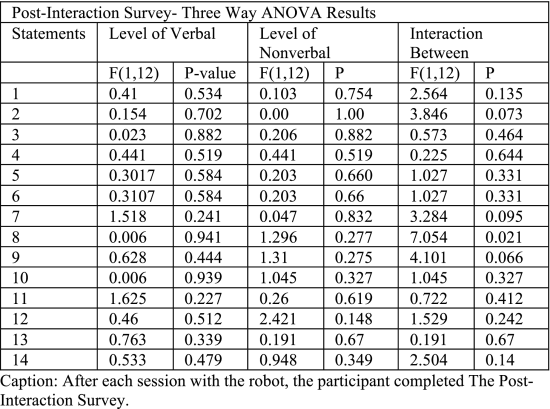
TABLE A Post-Interaction Survey-Three Way ANOVA Results
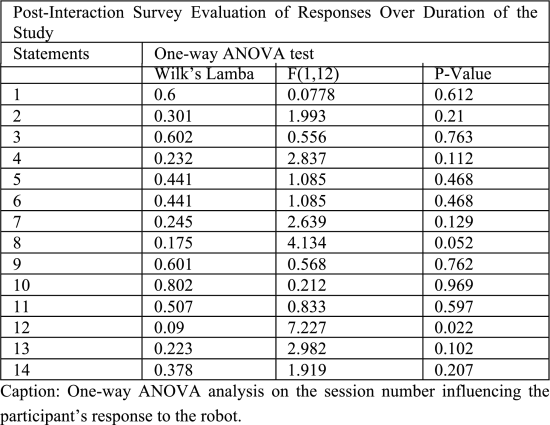
TABLE B Post-Interaction Survey-One Way ANOVA Results
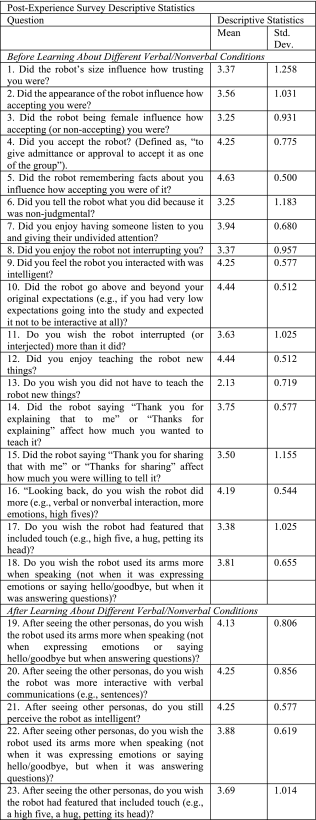
TABLE C Post Experience Survey Results
Appendix B
Refer to Table B for a one-way ANOVA of the post-experience survey based on 5-Point Likert Scale. 1= Strongly Disagree; 2= Disagree; 3= Neutral; 4= Agree; 5= Strongly Agree.
TABLE A Post-Interaction Survey-Three Way ANOVA Results
TABLE B Post-Interaction Survey-One Way ANOVA Results
TABLE C Post Experience Survey Results
Appendix C
Refer to Table C for a descriptive analysis of the post-experience survey based on 5-Point Likert Scale. 1= Strongly Disagree; 2= Disagree; 3= Neutral; 4= Agree; 5= Strongly Agree.
References
1. “Ageing and health.” p. 12, 2022. [Online]. Available: https://www.who.int/news-room/fact-sheets/detail/ageing-and-health
2. J. Howard. “Us fertility rate falls to ‘all-time low,’ CDC says.” Jul. 2019. [Online]. Available: https://www.cnn.com/2019/07/24/health/fertility-rate-births-2018-cdc-study/index.html
3. E. Y. Cornwell and L. J. Waite, “Social disconnectedness, perceived isolation, and health among older adults,” J. Health Social Behav., vol. 50, no. 1, pp. 31–48, 2009, doi: 10.1177/002214650905000103.
4. Z. I. Santini, “Social disconnectedness, perceived isolation, and symptoms of depression and anxiety among older Americans (NSHAP): A longitudinal mediation analysis,” Lancet Public Health, vol. 5, no. 1, pp. e62–e70, 2020, doi: 10.1016/S2468-2667(19)30230-0.
5. “Healthy places terminology,” Oct. 2009. [Online]. Available: https://www.cdc.gov/healthyplaces/terminology
6. G. Mois and J. M. Beer, “Robotics to support aging in place,” in Living With Robots. Amsterdam, The Netherlands : Elsevier, 2020, pp. 49–74, doi: 10.1016/B978-0-12-815367-3.00003-7.
7. J. Forlizzi, “Robotic products to assist the aging population,” Interactions, vol. 12, no. 2, pp. 16–18, 2005, doi: 10.1145/1052438.1052454.
8. J. M. Beer, “The domesticated robot: Design guidelines for assisting older adults to age in place,” in Proc. 7th Annu. ACM/IEEE Int. Conf. Human-Robot Interact., 2012, pp. 335–342, doi: 10.1145/2157689.2157806.
9. E. Broadbent, “Attitudes towards health-care robots in a retirement village,” Aust. J. Ageing, vol. 31, no. 2, pp. 115–120, 2012, doi: 10.1111/j.1741-6612.2011.00551.x.
10. M. P. Aylett, Y. Vazquez-Alvarez, and S. Butkute, “Creating robot personality: Effects of mixing speech and semantic free utterances,” in Proc. ACM/IEEE Int. Conf. HumanRobot Interact., 2020, pp. 110–112, doi: 10.1145/3371382.3378330.
11. D. R. Billings, K. E. Schaefer, J. Y. Chen, and P. A. Hancock, “Humanrobot interaction: Developing trust in robots,” in Proc. 7th Annu. ACM/IEEE Int. Conf. Human-Robot Interact., 2012, pp. 109–110, doi: 10.1145/2157689.2157709.
12. S. Naneva, M. S. Gou, T. L. Webb, and T. J. Prescott, “A systematic review of attitudes, anxiety, acceptance, and trust towards social robots,” Int. J. Soc. Robot., vol. 12, pp. 1179–1201, Jun. 2020, doi: 10.1007/s12369-020-00659-4.
13. G. Laban, J.-N. George, V. Morrison, and E. S. Cross, “Tell me more! Assessing interactions with social robots from speech,” Paladyn, J. Behav. Robot., vol. 12, no. 1, pp. 136–159, 2021, doi: 10.1515/pjbr-2021-0011.
14. C. L. Breazeal, A. Ostrowski, N. Singh, and H. W. Park, “Designing social robots for older adults,” Bridge, vol. 49, no. 1, pp. 22–31, 2019. [Online]. Available: https://robots.media.mit.edu/wp-content/uploads/sites/7/2021/04/Breazeal_et_al_2019_Designing-social-robots-for-adults.pdf
15. W. Moyle, C. Jones, M. Cooke, S. O’Dwyer, B. Sung, and S. Drummond, “Social robots helping people with dementia: Assessing efficacy of social robots in the nursing home environment,” in Proc. 6th Int. Conf. Human Syst. Interact. (HSI), 2013, pp. 608–613, doi: 10.1109/HSI.2013.6577887.
16. I. A. Hameed, Z.-H. Tan, N. B. Thomsen, and X. Duan, “User acceptance of social robots,” in Proc. 9th Int. Conf. Adv. Comput.-Human Interact. 2016, pp. 274–279. [Online]. Available: https://pdfs.semanticscholar.org/276e/49d911f03e6211d29f7e5b21335f9b15a266.pdf
17. S. Whelan, K. Murphy, E. Barrett, C. Krusche, A. Santorelli, and D. Casey, “Factors affecting the acceptability of social robots by older adults including people with dementia or cognitive impairment: Aliterature review,” Int. J. Social Robot., vol. 10, no. 5, pp. 643–668, Mar. 2018, doi: 10.1007/s12369-018-0471-x.
18. T. Fong, I. Nourbakhsh, and K. Dautenhahn, “A survey of socially interactive robots,” Robot. Auton. Syst., vol. 42, no. 34, 2003, pp. 143–166.
19. B. N. De Carolis, G. Palestra, and G. Castellano, “Exploring the role of empathy in designing social robots for elderly people,” in Proc. 32nd ACM Conf. User Model. Adaptat. Personalization, 2024, pp. 120–125, doi: 10.1145/3631700.3664887.
20. S. Whittaker, Y. Rogers, E. Petrovskaya, and H. Zhuang, “Designing personas for expressive robots: Personality in the new breed of moving, speaking, and colorful social home robots,” ACM Trans. Human-Robot Interact., vol. 10, no. 1, 2021, pp. 1–25, doi: 10.1145/342415.
21. K. Pollmann, C. Ruff, K. Vetter, and G. Zimmermann, “Robot vs. voice assistant: Is playing with pepper more fun than playing with Alexa?,” in Proc. ACM/IEEE Int. Conf. HumanRobot Interact., 2020, pp. 395–397, doi: 10.1145/3371382.3378251.
22. A. N. Baecker, D. Y. Geiskkovitch, A. L. Gonzalez, and J. E. Young, “Emotional support domestic robots for healthy older adults: Conversational prototypes to help with loneliness,” in Proc. ACM/IEEE Int. Conf. Human-Robot Interact., 2020, pp. 122–124, doi: 10.1145/3371382.3378279.
23. J. R. Wilson, N. Y. Lee, A. Saechao, S. Hershenson, M. Scheutz, and L. Tickle-Degnen, “Hand gestures and verbal acknowledgments improve human-robot rapport,” in Proc. Int. Conf. Social Robot., 2017, pp. 334–344, doi: 10.1007/978-3-319-70022-9_33.
24. D. Cruz-Sandoval and J. Favela, “A conversational robot to conduct therapeutic interventions for dementia,” IEEE Pervasive Comput., vol. 18, no. 2, pp. 10–19, Apr.–Jun. 2019, doi: 10.1109/MPRV.2019.2907020.
25. J. Miehle, I. Bagci, W. Minker, and S. Ultes, “A social companion and conversational partner for the elderly,” in Advanced Social Interaction with Agents (Lecture Notes in Electrical Engineering), vol. 510, M. Eskenazi, L. Devillers, and J. Mariani, Eds., Cham, Switzerland : Springer, 2019. [Online]. Available: https://doi.org/10.1007/978-3-319-92108-2_12
26. H. Abdollahi, A. Mollahosseini, J. T. Lane, and M. H. Mahoor, “A pilot study on using an intelligent life-like robot as a companion for elderly individuals with dementia and depression,” in Proc. IEEE-RAS 17th Int. Conf. Humanoid Robot. (Humanoids), 2017, pp. 541–546, doi: 10.1109/HUMANOIDS.2017.8246925.
27. H. Abdollahi, M. H. Mahoor, R. Zandie, J. Siewierski, and S. H. Qualls, “Artificial emotional intelligence in socially assistive robots for older adults: A pilot study,” IEEE Trans. Affective Comput., vol. 14, no. 3, pp. 2020–2032, Jul.–Sep. 2023, doi: 10.1109/taffc.2022.3143803.
28. A. Tapus, “Improving the quality of life of people with dementia through the use of socially assistive robots,” in Proc. Adv. Technol. Enhanc. Qual. Life, 2009, pp. 81–86, doi: 10.1109/AT-EQUAL.2009.26.
29. S. M. S. Khaksar, R. Khosla, M. T. Chu, and F. S. Shahmehr, “Service innovation using social robot to reduce social vulnerability among older people in residential care facilities,” Technol. Forecast. Social Change, vol. 113, pp. 438–453, Dec. 2016, doi: 10.1016/j.techfore.2016.07.009.
30. R. Khosla, M.-T. Chu, S. M. S. Khaksar, K. Nguyen, and T. Nishida, “Engagement and experience of older people with socially assistive robots in home care,” Assist. Technol., vol. 33, no. 2, pp. 1–15, 2019, doi: 10.1080/10400435.2019.1588805.
31. D. Cruz-Sandoval and J. Favela, “Incorporating conversational strategies in a social robot to interact with people with dementia,” Dement. Geriatr. Cogn. Disord., vol. 47, no. 3, pp. 140–148, 2019, doi: 10.1159/000497801.
32. M. Kanoh, “Examination of practicability of communication robot-assisted activity program for elderly people,” J. Robot. Mechatron., vol. 23, no. 1, p. 3, 2011, doi: 10.20965/jrm.2011.p0003.
33. L. Paletta, “AMIGO: Towards social robot based motivation for playful multimodal intervention in dementia,” in Proc. 11th Pervasive Technol. Related Assist. Environ. Conf., 2018, pp. 421–427, doi: 10.1145/3197768.3203182.
34. J. Magyar, M. Kobayashi, S. Nishio, P. Sincak, and H. Ishiguro, “Autonomous robotic dialogue system with reinforcement learning for elderlies with dementia,” in Proc. IEEE Int. Conf. Syst., Man Cybern. (SMC), 2019, pp. 3416–3421, doi: 10.1109/SMC.2019.8914248.
35. M. Fraune, “Socially facilitative robots for older adults to alleviate social isolation: A participatory design workshop approach in the us and japan,” Front. Psychol., vol. 13, Oct. 2022, Art. no. 904019, doi: 10.3389/fpsyg.2022.904019.
36. “Buy Misty II.” MistyRobotics. 2022. [Online]. Available: https://shop.mistyrobotics.com/
37. J. Miller, T. McDaniel, and M. J. Bernstein, “Aging in smart environments for independence,” in Proc. IEEE Int. Symp. Technol. Soc. (ISTAS), 2020, pp. 115–123.
38. S. C. Parthasarathy. “Misty skills.” 2021. [Online]. Available: https://github.com/CPsridharCP/MistySkills
39. J. Miller and T. McDaniel, “I enjoyed the chance to meet you and I will always remember you: Healthy older adults’ conversations with misty the robot,” in Proc. 17th ACM/IEEE Int. Conf. Human-Robot Interact. (HRI), 2022, pp. 914–918.
40. R. Abbas and K. Michael, “Co-designing location-based services for individuals living with dementia: An overview of present and future modes of operation,” IEEE Technol. Soc. Mag., vol. 41, no. 2, pp. 42–46, Jun. 2022, doi: 10.1109/MTS.2022.3173353.
41. S. Hamdoun, R. Monteleone, T. Bookman, and K. Michael, “AI-based and digital mental health apps: Balancing need and risk,” IEEE Technol. Soc. Mag., vol. 42, no. 1, pp. 25–36, Mar. 2023, doi: 10.1109/MTS.2023.3241309.
42. F. Winfield, K. Michael, J. Pitt, and V. Evers, “Machine ethics: The design and governance of ethical AI and autonomous systems,” Proc. IEEE, vol. 107, no. 3, pp. 509–517, Mar. 2019, doi: 10.1109/JPROC.2019.2900622.
Authors
School of Computing and Augmented Intelligence, Arizona State University, Tempe, AZ, USA
Oak Ridge National Laboratory, Oak Ridge, TN, USA
Jordan Tschida received the Ph.D. degree from Arizona State University in 2022. She is a Postdoctoral Research Scientist with Oak Ridge National Laboratory. Her research interests encompass human-robot interaction, ethical AI, and natural language processing. Her work focuses on creating adaptive, inclusive technologies for diverse populations by emphasizing usability, security, and equitable AI. By applying a user-centered approach, she aims to design practical solutions for real-world challenges in technology.
School for the Future of Innovation in Society and the School of Computing and Augmented Intelligence, Arizona State University, Tempe, AZ, USA
Newcastle University Business School, Newcastle upon Tyne, U.K.
School of Business, University of Wollongong, Wollongong, NSW, Australia
Katina Michael (Senior Member, IEEE) received the B.S. degree in information technology from the School of Mathematical and Computing Science, University of Technology, Sydney, NSW, Australia, in 1996, the Doctor of Philosophy degree in information and communication technology from the Faculty of Informatics, University of Wollongong, Wollongong, NSW, Australia, in 2003, and the Master of Transnational Crime Prevention degree (with Distinction) from the Faculty of Law, University of Wollongong in 2009.
School of Computing and Augmented Intelligence, Arizona State University, Tempe, AZ, USA
Troy McDaniel received the bachelor’s and Ph.D. degrees in computer science from Arizona State University, where he is an Assistant Professor with the School of Manufacturing Systems and Networks. He is the Director of the Center for Cognitive Ubiquitous Computing and the HAPT-X Laboratory. He is particularly interested in tactile vision sensory substitution, haptic human augmentation, and multimodal integration. He focuses on applications involving assistive, rehabilitative, and healthcare technologies for individuals with sensory, cognitive, or physical impairments. Within these applications, he explores new haptic interaction paradigms and novel mappings between modalities to convey information in alternative ways. He is also actively exploring challenges related to accessibility and health & well-being within smart city and smart living applications using person- and citizen-centered approaches. He has authored more than 50 peer-reviewed publications in these areas, such as ACM/IEEE HRI, IEEE MultiMedia, and IEEE ICME. His research interests span the areas of haptic interfaces, wearable robotics, human-computer interaction, machine learning, and smart cities.
Citation: J. Tschida, K. Michael and T. McDaniel, "Exploring Social Robots for Healthy Older Adults: Aging With Companionship," in IEEE Transactions on Technology and Society, vol. 6, no. 3, pp. 257-269, Sept. 2025, doi: 10.1109/TTS.2024.3521341.