Body Modifications and Their Health Implications
Citation: L. Remmers and K. Michael, "Body Modifications and Their Health Implications," 2020 IEEE International Symposium on Technology and Society (ISTAS), Tempe, AZ, USA, 2020, pp. 134-141, doi: 10.1109/ISTAS50296.2020.9462217.
Abstract
This paper comprehensively defines three forms of body modifications: tattoos, piercings and implants. Some body modifications are functional while others are aesthetic, each serving the needs of its bearer or wearer. The paper describes the motivations behind different forms of body modifications. A document analysis was conducted, inclusive of a public image repository search, to ensure the depth required to reach saturation in the literature and content. A comparison of body modification techniques is assessed across cultural uses, modern applications and risks. Additionally, the health implications of these body modifications are considered and the findings clustered into the themes: physical, psychological and privacy implications. The contribution of this paper is in starting a serious discussion around the potential for health issues to arise from body modification and the impact they may have on the end-user.
SECTION I.
Introduction
Body modifications have become a major part of our society. They can be defined as a way for a person to control the design of their own body [1]. The human body can be considered a form of personal physical capital and within one’s means to self-legislate. As such, many people have taken to body modifications as a means to increase their capital and impart knowledge about themselves to the world [2]. These body modifications include tattoos, piercings, and implants. There many reasons as to why a person may choose to modify their bodies. Body modifications may be decorative and serve as a form of self-expression or serve a religious or ritualistic purpose. A person may also to choose to receive a body modification to go against the body’s natural state and test the limits of the body [3]
Today, “20% of British adults and up to 38% of Americans sport a type of long-term body adornment” [4]. With such a large number of people choosing to modify their bodies, it is important to understand what these forms of modification are and their potential hazards. The aim of this paper is to create comprehensive definitions of tattoos, piercings, and implants and compare each of these forms of body modification. This paper will also explore the potential health implications of receiving a body modification. Much is known about the health implications of tattoos and piercings, but little is known about implantable devices. Overall, the aim of this paper is to investigate how these body modifications may impact society with respect health.
SECTION II.
Literature Review
Tattooing have been considered to be the human’s first form of self-expression in written form [5]. Tattoos have been a prominent form of body modification since the second millennium; tattooed female mummies have been found from that era [6]. Tattoos have been used numerous times throughout history in both good and contexts. Tattoos were not always widely approved by the population. In the Book of Leviticus 19:28, God commands Moses “You shall not make any cuttings in your flesh on account of the dead or tattoo any marks upon you”. This mark, also known as charagma, does not necessarily need to be a tattoo, but can be any brands, marks, or imprints that are in the skin. Tattoos were also used by Nazi Germany in World War II as a means of identifying Jews and Prisoners of War [5]. Since then, tattoos have taken on the more positive role as a form of self-expression and have been widely adopted by numerous peoples around the world. Tattoos have been divided into five categories based on their purpose and origin: traumatic tattoos, amateur tattoos, professional tattoos, medical tattoos, and cosmetic tattoos [7]. These categories show the broad range of reasons that people elect to receive a tattoo and their purpose.
Traumatic tattoos come from a person’s exposure to explosive forces, abrasion, or accidentally injury. The tattoo comes as a result of gravel, asphalt, dirt, dust, lead, metal, or other debris under the skin. These tattoos usually come in a blue-black color [8]. Amateur tattoos are applied by a person onto their own body without any technique [7]. Professional tattoos are applied by a trained tattoo artist. These tattoos are applied using a specific technique that works with the correct depth of skin and a specific amount of color in the needle during application to ensure proper results [9]. Also, professional tattoos are applied using electrical machines. The most commonly used machines today are dual-coiled machines and rotary machines. These machines allow for precise injection of the ink into the skin in an efficient manner [10]. Medical tattoos are used by medical professionals for treatment or marking. Medical professionals may apply a tattoo to a person to improve the appearance of skin after surgery, such as improvement of lip contour after a trauma. These tattoos can also be applied for the purpose of correcting skin pigmentation as a result of dermatological issues such as port-wine stains, vitiligo, and alopecia [11]. Cosmetic tattoos are those that act as permanent makeup, such as permanent eye liner or eyebrows [12].
Piercings are a form of body modification that have become increasingly popular with time. Piercing practices have been reported in journals from the Victorian times in which nipple piercings in women were documented. Piercings of the genital region were also commonly practiced in tribal regions, such as the Borneo tribes [13]. The practice of inserting piercings into the body became more common in the 1960s when more hygienic practices were adopted to prevent the risk of a health complication [14]. The discovery of hygienic piercing practices significantly increased the prevalence of body piercings in society and further encouraged people to receive them. The majority of piercings are performed in tattoo and piercing parlors. Low risk piercings such as soft earlobe piercings may be performed in jewelry or department stores [15]. A survey of a large population revealed that common body piercings sites include the navel, nose, ear, tongue, nipple, eyebrow, lip, and genitals. It was also found that piercings are more common among women than men. Younger age groups are also more likely to have body piercings [16].
Implants are a newer form of body modification compared to tattoos and piercings. Implants can have a technological component that can make a person seem otherworldly due to their inability to be lost, to be left behind, or to be tampered with [17]. There are various forms of implants that range from breast implants to RFIDs. These implants can be divided into three different categories based on their function: practical/convenient implants, cosmetic implants, and medical implants.
Practical/convenient implants are those that have a functional use in everyday life. The major example of this type of implant are radio-frequency identification (RFID) chips. RFID chips contain transponders that emit messages readable by RFID readers. These chips contain information that can be easily transferred. Some applications of these chips include supply chain management, security, and movement tracking [18]. RFID chips are useful because they allow for identification from a distance and does not require a line of sight [19]. In the last two decades, RFID chips have been implemented into the human body for ease of use. The first human-implantable RFID microchip (the VeriChipTM) was approved for medical use by the U.S. Food and Drug Administration in October of 2004 [17]. These humancentric RFIDs can either be control-related, convenience-related, or care-related. Control-related humancentric RFIDs allow the user to have control over an aspect of their lives or gives a third-party the capability to have control over them. Convenience-related humancentric RFIDs function to make the completion of certain tasks easier and more efficient. Care-related humancentric RFIDs are those that are used for medicine, health, or well-being [20]. These care-related RFIDs can also fall into the category of medical implants. An example of the use of RFIDs for the sake of convenience is seen in the Baja Beach Club in Barcelona. This club gave RFID chips to its VIP members to give them exclusive access to VIP areas and to conduct electronic payments. The use of RFIDs was implemented because the owner thought that it would save people time by scanning their hand to pay instead of fumbling for their wallet. There was also the idea that those who had an implant had more social prestige than those who did not [21].
Implants that are applied for the purpose of altering appearance can be classified as cosmetic implants. Some examples of cosmetic implants include breast implants and iris implants. Breast implants have become increasingly popular as the frequency of procedures has increased by 45% between 2000 and 2011. The most common of these are silicone breast implants [22]. Iris implants have also become a popular cosmetic procedure that people endure to change the color of their eye [23].
Medical implants are devices or tissues that are placed inside or on the surface of the body. These implants serve to act as prosthetics or to deliver medications, monitor bodily functions, or provide support to organs and tissues [24]. Different types of medical implants include: retinal implants, nerve stimulants, biosensors, cochlear implants, pacemakers, bladder implants, electrical stimulants, drug delivery systems, and wireless endoscopy capsules [25]. A study investigating perceptions surrounding technological implants for the use of medical correction found that the majority of people accepted these type of implants [26]. The acceptance of technological implants implies that more people may be willing to insert these devices into their body. Therefore, the possible implications of inserting these devices into the body should be investigated.
Upon performing this literature review, there were very little articles found that analyzed tattoos, piercings, and implants together. This paper will fill this gap and analyze these three forms of body modification together to create a comprehensive understanding of their health impacts today.
SECTION III.
Methodology
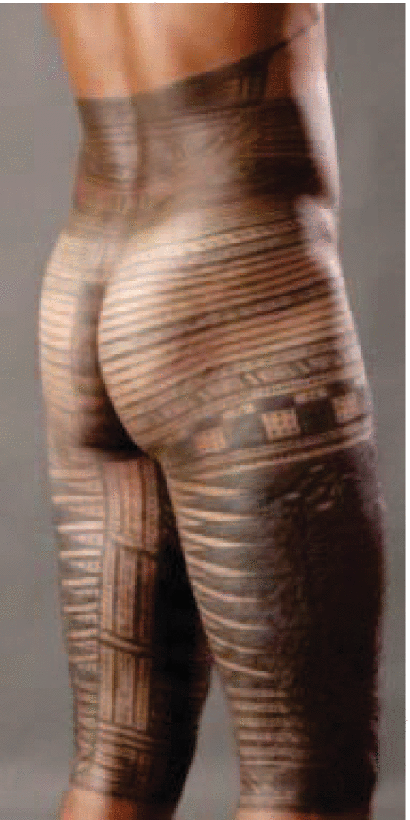
Fig. 1. Polynesian history tattoo. [31]
Since this paper aims to create comprehensive definitions of body modifications and to identify potential health implications, qualitative research methods were adopted. A document analysis was conducted to collect information regarding tattoos, piercings, and implants. Searches were performed in either Google Scholar or the Arizona State University Library OneSearch database. Documents were gathered by searching keywords involving tattoos, piercings, and implants. These keywords included “culture,” “complications,” “medical issues,” and “definition.”
Upon running the keyword search, thousands of results were returned. Articles were selected to be read according to relevance and availability of full-text articles. Articles were included based on how focused they were on the specific form of body modification. For example, an article that was specifically about the psychological implications of tattoos was chosen over an article that was broadly about psychological implications and briefly mentioned tattoos.
Definitions of each form of body modification were created by finding similarities across articles and integrating them into a comprehensive definition. Images were found by searching Wikimedia Commons for tattoos, piercings, and implants. Images were selected based on how relevant their content was to the culture surrounding the form of modification. These images were included to show examples of each form of body modification and enhance clarity.
SECTION IV.
Definitions
A. Tattoos
Merriam-Webster defines a tattoo as “a mark, figure, design, or word intentionally fixed or placed on the skin” [27]. This dictionary definition is sufficient in describing what the basic understanding of what a tattoo is. In addition to the basic tattoo definition, it is also important to understand the tattoo process. When a person receives a tattoo, a motorized needle is used to inject pigment under the superficial layer of the dermis [28]. The pigment that is injected under the skin is technically regulated by the Food and Drug Administration (FDA), since it is a color additive. The FDA has released a statement that color additives that are found in pigments are not approved for injection under the skin [29]. This raises a number of issues regarding health implications that will be discussed in a future section.
There are many reasons why someone may choose to receive a tattoo. Today, one of the main reasons for receiving a tattoo is self-expression [30]. Tattoos are an external depiction of one’s interests and can serve as a way to appear unique from others. Tattoos can also serve cultural purpose. Some cultures, such as the Polynesians, use tattoos as a way of depicting familial histories [6]. Tattoos are a prominent aspect of our society that must be understood in order to promote healthy practices surrounding them.
B. Piercings

Fig. 2. Girl with tattoos and piercings. [34]
Merriam-Webster defines a piercing as “a piece of jewelry (such as a ring or stud) that is attached to pierced flesh” [32]. This definition provides a useful understanding of what a physical piercing is. A piercing is inserted into the skin with a large needle that is penetrated into the skin [33].
There are many reasons why a person may choose to get a piercing. Today, the main motivation for receiving a person is for self-expression. Piercings for the purpose of self-expression became prominent in the 1970s during the punk movement in which people received piercings for the sake of displaying their rebellion. Men in tribes may also receive penile piercings for the purpose of displaying their pain tolerance [14]. Piercings continue to be prominent in today’s society because they are easy to receive and serve a purpose.
C. Implants
Merriam-Webster defines a implant as “something (such as a graft or device) implanted in tissue” [35]. This is a very broad definition that does not include any information regarding the different types of implants. Implants are complex devices that can serve many functions. Implantable devices range from cosmetic devices such as breast implants to technological devices such as RFIDs. There are various reasons a person may choose to insert an implantable device into their skin. One reason is for cosmetic purposes. The insertion of breast implants is one of the most common cosmetic medical procedures that are performed. Women may receive breast implants to enhance their self-esteem or after a mastectomy [22]. Another common cosmetic implant procedure is the installation of iris implants. Some people elect to receive an iris implant to change the color of their eyes [23]. Another reason for receiving implants is for the correction of a medical issue. An example of this is brain implants to treat mood disorders. Brain implants are inserted into the brain and use algorithms to transmit electrical pulses to the brain that alter neural activity. This is also known as deep brain stimulation [36]. Another reason that a person may insert an implantable device is for convenience. RFID chips have recently been inserted into people to store information that can be scanned [37]. For example, a Swedish rail company, SJ, has begun allowing customers to use RFID chips that are inserted in their hands as a ticket [38].

Fig. 3. SJ Railways scanning RFID for tickets. [38]
This idea of using RFID implants in a person’s hand has been implemented by other companies to make the exchange of identification information quicker and more efficient. The use of implantable devices is relatively new and there is still much to learn about the consequences of using such devices, as will be discussed later in the paper.
D. Comparison
Tattoos, piercings, and implants are all forms of body modifications that are used by people in today’s society. Tattoos and piercings are similar in the fact that they are both visible to others. These two forms of body modification are typically added to the body to serve as external self-expression. This is not true of implants. Implants are not typically used for the purpose of self-expression but rather serve more of a functional role such as correcting medical complications or identifying people within a company. This means that implantable devices have the potential to alter human performance, which is a capability beyond that of tattoos and piercings. Tattoos, piercings, and implants all differ in the way that they are applied to a person’s body. Tattoos are applied with a motorized needle that inserts pigment under the superficial layer of the skin. Piercings are a form of jewelry penetrated into the body with a large needle. Implants can be various devices that are inserted under the skin. Since these modifications are all applied using different techniques, there are different complications that may arise as a result of their application. This issue will be explored in a later section of this paper. Tattoos differ from piercings and implants because they are considered permanent, while piercings and implants are not. Since piercings are simply a hole in the skin, it is possible for that hole to close once the piece of jewelry has been removed for a significant amount of time [14]. Implantable devices can also be removed so that they are also not considered permanent.
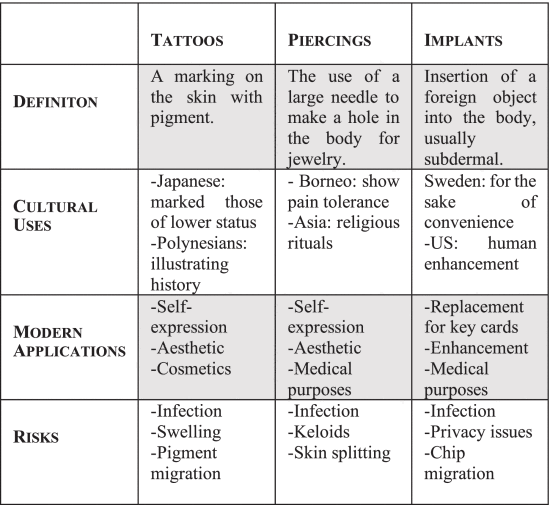
Table I Comparison of Body Modifications
SECTION V.
Health Implications
A. Tattoos
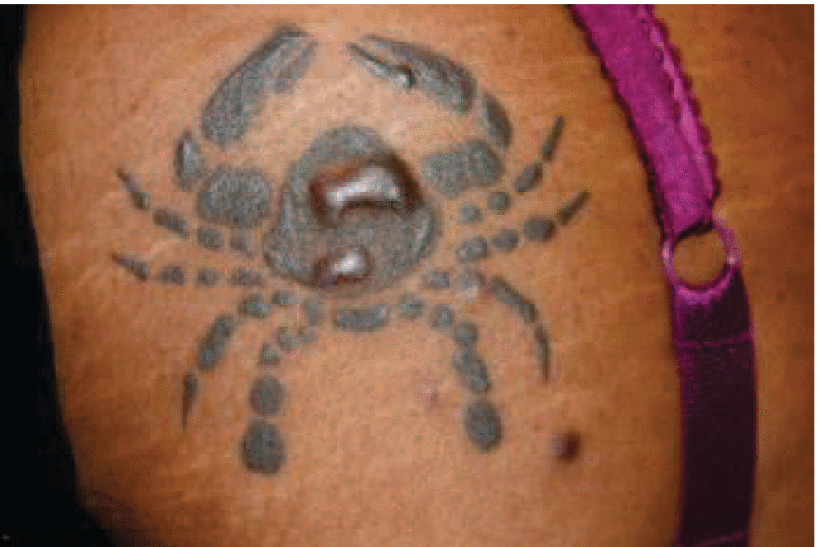
Fig. 4.
Tattoo keloid. [39]
Since tattoos are pigments under the skin, they risk introducing complications. The pigment that is used for tattoos is not approved for application under the skin, but rather, it is a color additive [29]. Because of this, skin that has been tattooed is at risk of experiencing infection, allergic reactions, keloids, and granulomas [28], [29]. Tattoos also pose the risk of pigment migration. Pigment migration comes as a result of misapplication of the pigment during the tattooing process [28].
The main intervention used for the treatment of tattoo complications is tattoo removal. The major form of tattoo removal is laser removal. The use of Q switched lasers has been found to be the most effective way of removing a tattoo. This process involves the patient attending multiple sessions in which they are exposed to the lasers. This is a long term process requiring patients to attend sessions in long intervals [40]. There are some side effects that may come with the Q switched laser treatment. These side effects include inflammation, mild edema and erythema, swollen lymph nodes, scarring, and keloid formation [41].
In addition to physical complications, tattoos can also have a psychological effect on a person. People with tattoos have reported not having a sense of belonging among their peers in the workplace [42]. It was also found that women with tattoos have been perceived as less physically attractive, as more sexually promiscuous, and as heavier drinkers than their counterparts without tattoos [43]. People with tattoos also had lower credibility rankings compared with people who did not have tattoos [44]. Additionally, the presence of tattoos has an effect on people in the courtroom. Those with facial tattoos are more likely to be found guilty and are perceived by others more likely to be a reoffender than those without facial tattoos [45]. These psychological effects are large motivators for removing a tattoo. Among the top reasons for removing a tattoo are improvement of self-esteem and improvement of potential employment prospects [46].
B. Piercings
Body piercings are also susceptible to health complications. Since a foreign object is being inserted into the body, it is likely that the body will react to this object. This is most commonly seen in infections, which occur in approximately 20% of body piercings [15]. An extreme case of infection is a case reported in which a teenage girl performed multiple piercings on herself that became infected. This infection continually worsened until she experienced acute kidney failure [47]. Allergic reactions, loss of blood, and scarring are also potential complications that may come with a body piercing. It is also possible that the jewelry will interfere with other medical procedures such as X-rays, ultrasounds, and magnetic resonance imaging (MRI) Infections and allergic reactions caused by piercings can be treated with topical antibiotics and irrigation. The loss of blood is minimized by prohibiting the use aspirin and other blood thinners to prevent the inhibition of blood clot formation [15]. Additionally, there are psychological impacts that result from body piercing. People with body piercings are viewed differently than those without body piercings. Those with body piercings were viewed as less physically attractive, intelligent, caring, generous, honest, and religious compared to those without a body piercing [48], [49]. People with body piercings also struggle in the workplace. Job applicants with visible body piercings were viewed as less suitable applicants and as having more negative characteristics. These views were more prominent in student applicants with body piercings compared to adult applicants with body piercings [50]. Overall, having a body piercing influences other people’s perceptions of the person with the piercing, and may create difficulty for those with piercings when they are looking for employment.
C. Implants
Implants come in a variety of forms. Each have their own health implications. These types of risks include physical, psychological, and privacy risks. Medical implants such as prostheses and breast implants pose physical risks in patients. The insertion of a prosthesis into the body poses the risk of a bacterial infection. This infection can come as a result of poor osseointegration. Additionally, the insertion of a prosthesis can also result in the formation of a fistula between the skin and the prosthesis [51]. Breast implants also pose a physical risk for patients. Many breast implants are composed of silicone gel. These implants have the potential to rupture and disperse the silicone gel throughout the body. The migration of silicone gel can cause the formation of silicone granulomas. The migrated silicone can also be the cause of chronic inflammation, malignant disorder of the breast, and systemic disease [52].
Practical/convenient implants such as RFIDS or other types of microchips implanted into the body can also have detrimental effects on the body. The material of these devices can induce an allergic reaction in the body. Also, microchips composed of metal can potentially heat up and burn the flesh. The heating of the chip comes from the microwave radio frequency of the chip. Smaller chips pose a greater risk because they project a greater frequency. The microwave frequency used in chips is dangerous to the human body because it increases the risk of tumors and cataracts, destroys the immune system, has neurological effects, damages DNA, changes the blood-brain barrier, reduces melatonin levels, and more [53].
Chip implant radio frequencies also present the risk of interference with other devices. A man who was diagnosed with Parkinson’s disease has a deep brain stimulator implanted in his brain as a form of treatment. This man has reported that he is not able to hold his phone close to his head, walk through security checkpoints, go in elevators, or fly in commercial aircraft without it interfering with his implant. He reports that the interference between devices can cause his implant to shut off, which is harmful to his well-being. One of his friends also reported that he has multiple implants including a deep brain stimulator, a pacemaker, and a cochlear implant. These implants are in relatively close proximity to each other, so they are extremely susceptible to interference. Although these implants are all essential to his health, the interaction between them is harmful to him [54].
There are also a number of psychological implications of implants. People who have had cochlear implants report significant improvements in their well-being after the insertion of their device. Improvements were seen in levels of loneliness and social anxiety within a year of an implantation. Improvements were also seen in levels of assertiveness and marital satisfaction over long-term implant use [55]. Similar results were seen in those with dental implants. People who received dental implants reported having a better quality of life due to greater ease of eating, improvement of speech, and more willingness to smile. They also reported less discomfort and higher self-esteem [56]. Higher self-confidence was also seen in women after receiving breast implants. These women reported having a better body image, greater feelings of self-confidence, and improved interpersonal relationships [57].
There are also privacy and security concerns related to implantable devices, as a result of their technological components. Privacy and security concerns are a health implication because they involve the infiltration of data related to the healthcare of a patient. Privacy and security concerns surrounding implantable devices are especially prominent in implanted medical devices. For example, insulin pumps for diabetic patients lack adequate security measures and are at risk of being hacked. This is extremely dangerous to the patient because an infiltrator can hijack glucose sensing software and alter the amount of insulin that is administered [58]. Similar concerns have been raised regarding other medical devices such as cochlear implants, gastric stimulators, brain stimulators, and cardiac defibrillators [59]. Some proposed solutions to this issue of cybersecurity include enhancing the security properties of the device by adding authentication, authorization, integrity, confidentiality, and additional security testing to the devices [59].
SECTION VI.
Discussion
Tattoos, piercings, and implants all pose health implications for the human body. The health implications of body modifications can be categorized into the three P’s: physical, psychological, and privacy. Each form of body modification falls into at least one of these categories.
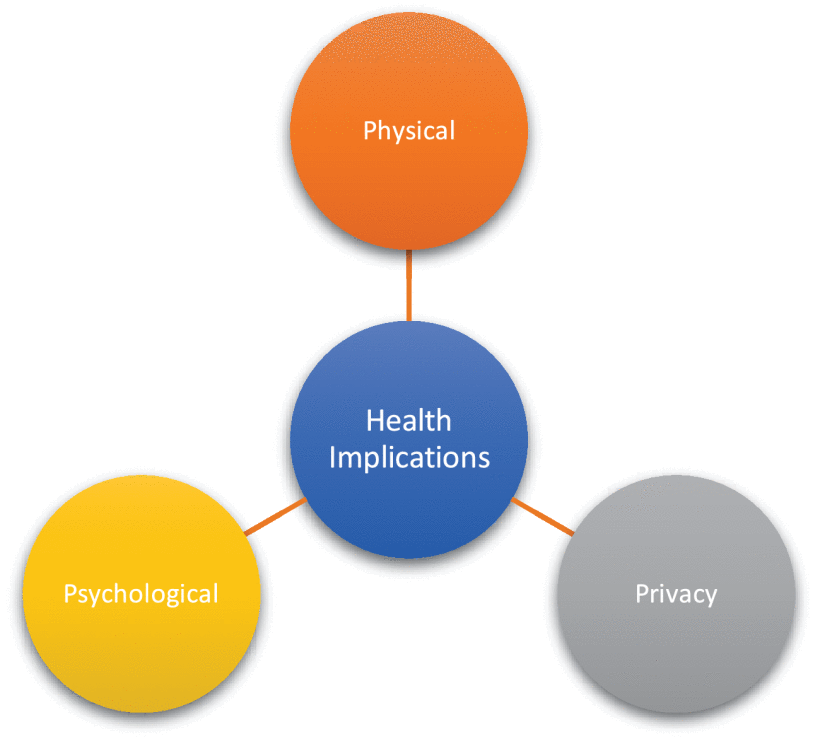
Figure 5. Types of Health Implications
All three forms of body modification have physical implications to the body, the majority of which are negative. Tattoos, piercings, and implants all have the capacity to cause infections in the body. This is likely due to the fact that these body modifications are foreign entities that do not belong in the body. As a result, the body will induce mechanisms to fight off the foreign bodies and protect itself. Allergic reactions are also common complications that can result from the application of body modifications. This is also because of the presence of an unfamiliar substance in the body. Infections and allergic reactions negatively impact the body so they may labelled as negative implication.
Tattoos, piercings, and implants also have psychological implications associated with them. These psychological effects can be either positive or negative depending on the type of body modification. People who have tattoos, piercings, or both are commonly perceived poorly by others. It has been reported that these people have a harder time finding jobs and are perceived as having more negative characteristics. The same is not true for those with implantable devices. People with implants such as breast implants or cochlear implants have reported having a higher self-esteem. The difference in psychological effects between these forms of body modifications is likely because of their functionality. Tattoos and piercings tend to serve an aesthetic purpose or serve to act as a form of self-expression, while implants serve a more practical role such as enhancing physical appearance or correcting a medical impairment. These differences in functionality likely correlate with the differences in psychological effects.
A major health implication that is unique to implantable devices is privacy issues. Since many implantable devices are technology-based, they have the potential to be hacked and health information can be leaked. This is a major issue regarding the healthcare of an individual that is only prominent in implantable devices.
In our society, it has already become apparent that more members of the population are sporting body modifications. There seems to be an increasing number of people receiving tattoos and piercings for the sake of self-expression. These two forms of body modification were once taboo but are now becoming more widely accepted. This gives way for implants to also become a more prominent form of self-expression.
With the increasing prominence of body modifications, it is becoming more important to understand the health risks that are associated with them. It is evident that all three forms of body modifications pose some type of health hazard that has the potential to be detrimental. These risks should be outlined and easily accessible to those who are considering receiving any form of body modification in order to minimize unwanted effects.
SECTION VII.
Conclusion and Future Work
Overall, tattoos, piercings, and implants all have associated health implications. These health implications can be categorized into the three P’s: physical, psychological, and privacy implications. All of the discussed forms of body modification have health implications that fall into at least one of these categories. People who are looking to receive these body modifications should be educated on the health implications prior to their procedure.
More research needs to be done involving the connections between these forms of body modification and their associated risks. In addition to the risks associated with these body modifications, research should be conducted involving solutions for treating and preventing these risks. With an increasing number of people receiving body modifications, it is more important to have a comprehensive understanding of the associated health implications. The knowledge of the risks and potential treatments can serve as a preventative measure for those receiving body modifications.
References
1. S. R. Bradley Munn, K. Michael, and M. Michael, “The social phenomenon of body-modifying in a world of technological change: past, present, future,” in 2016 IEEE Conference on Norbert Wiener in the 21st Century (21CW), Jul. 2016, pp. 1–6, doi: 10.1109/NORBERT.2016.7547463.
2. S. R. Bradley-Munn and K. Michael, “Whose Body Is It?: The body as physical capital in a techno-society,” IEEE Consum. Electron. Mag., vol. 5, no. 3, pp. 107–114, Jul. 2016, doi: 10.1109/MCE.2016.2576518.
3. M. Featherstone, Body Modification. SAGE, 2000.
4. M. Perper, A. S. Aldahan, J. P. Tsatalis, and K. Nouri, “Modifications of body surface: piercings, tattoos, and scarification,” Int. J. Dermatol., vol. 56, no. 3, pp. 351–353, 2017.
5. “Innovative Auto-ID and LBS - Chapter Three Historical Background,” Katina Michael. https://www.katinamichael.com/research/2015/7/23/innovative-auto-id-and-lbs-chapter-three-historical-background (accessed Oct. 04, 2020 ).
6. “Tattoos and tattooing. Part I: History and methodology. -Abstract-Europe PMC.” https://europepmc.org/article/med/1807141 (accessed Feb. 22, 2020 ).
7. N. Goldstein, “Tattoos defined,” Clin. Dermatol., vol. 25, no. 4, pp. 417–420, Jul. 2007, doi: 10.1016/j.clindermatol.2007.05.015.
8. P. Bonan et al., “Combined pulsed dye laser and Q-switched Nd:YAG laser intraumatic facial tattoo removal: A case series,” Dermatol. Ther., vol. 32, no. 5, p. e13069, 2019, doi: 10.1111/dth.13069.
9. L. Kristensen, “The Technique and Craftsmanship of Tattooing in the Professional Tattoo Parlour,” Tattooed Skin Health, vol. 48, pp. 31–36, 2015, doi: 10.1159/000369176.
10. F. Rosenkilde, “Tattoo machines, needles and utilities,” Curr. Probl. Dermatol., vol. 48, pp. 21–30, 2015, doi: 10.1159/000369177.
11. S. Vassileva and E. Hristakieva, “Medical applications of tattooing,” Clin. Dermatol., vol. 25, no. 4, pp. 367–374, Jul. 2007, doi: 10.1016/j.clindermatol.2007.05.014.
12. C. D. Cuyper and R. Dubelloy, “Cosmetic and Medical Applications of Tattooing,” in Dermatologic Complications with Body Art: Tattoos, Piercings and Permanent Make-Up, C. De Cuyper and M. L. Pérez-Cotapos S, Eds. Cham : Springer International Publishing, 2018, pp. 121–138.
13. H. Ferguson, “Body piercing,” BMJ, vol. 319, no. 7225, pp. 1627–1629, Dec. 1999, doi: 10.1136/bmj.319.7225.1627.
14. A. Stirn, “Body piercing: medical consequences and psychological motivations,” The Lancet, vol. 361, no. 9364, pp. 1205–1215, 2003.
15. J. Holbrook, J. Minocha, and A. Laumann, “Body Piercing: Complications and Prevention of Health Risks,” Am. J. Clin. Dermatol., vol. 13, no. 1, pp. 1–17, Jan. 2012, doi: 10.2165/11593220-000000000-00000.
16. A. Bone, F. Ncube, T. Nichols, and N. D. Noah, “Body piercing in England: a survey of piercing at sites other than earlobe,” BMJ, vol. 336, no. 7658, pp. 1426–1428, Jun. 2008, doi: 10.1136/bmj.39580.497176.25.
17. “Toward a State of Überveillance,” Katina Michael. https://www.katinamichael.com/research/2010/6/1/toward-a-state-of-berveillance (accessed Oct. 04, 2020 ).
18. R. Weinstein, “RFID: a technical overview and its application to the enterprise,” IT Prof., vol. 7, no. 3, pp. 27–33, May 2005, doi: 10.1109/MITP.2005.69.
19. R. Want, “An introduction to RFID technology,” IEEE Pervasive Comput., vol. 5, no. 1, pp. 25–33, Jan. 2006, doi: 10.1109/MPRV.2006.2.
20. A. Masters and K. Michael, “Lend me your arms: The use and implications of humancentric RFID,” Electron. Commer. Res. Appl., vol. 6, no. 1, pp. 29–39, Mar. 2007, doi: 10.1016/j.elerap.2006.04.008.
21. K. Michael and M. G. Michael, “The diffusion of RFID implants for access control and epayments: A case study on Baja Beach Club in Barcelona,” in 2010 IEEE International Symposium on Technology and Society, Jun. 2010, pp. 242–252, doi: 10.1109/ISTAS.2010.5514631.
22. M. Johnson, “Breast implants: history, safety, and imaging,” Radiol. Technol., vol. 84, no. 5, pp. 439M–520M, 2013.
23. N. Mamalis, “Cosmetic iris implants,” J. Cataract Refract. Surg., vol. 38, no. 3, p. 383, 2012.
24. “Implants and Prosthetics FDA.” https://www.fda.gov/medical-devices/products-and-medical-procedures/implants-and-prosthetics (accessed Mar. 30, 2020 ).
25. D. Fitzpatrick, Implantable Electronic Medical Devices. Elsevier Science & Technology, 2014.
26. J. Pelegrin-Borondo, E. Reinares-Lara, and C. Olarte-Pascual, “Assessing the acceptance of technological implants (the cyborg): Evidences and challenges,” Comput. Hum. Behav., vol. 70, pp. 104–112, 2017.
27. “Definition of TATTOO.” https://www.merriam-webster.com/dictionary/tattoo (accessed Feb. 22, 2020 ).
28. C. De Cuyper, “Permanent makeup: indications and complications,” Clin. Dermatol., vol. 26, no. 1, pp. 30–34, Jan. 2008, doi: 10.1016/j.clindermatol.2007.10.009.
29. C. for F. S. and A. Nutrition, “Tattoos & Permanent Makeup: Fact Sheet,” FDA, Feb. 2020, Accessed: Feb. 22, 2020. [Online]. Available: http://www.fda.gov/cosmetics/cosmetic-products/tattoos-permanent-makeup-fact-sheet
30. D. Atik and C. Yιldιrιm, “Motivations behind acquiring tattoos and feelings of regret: Highlights from an Eastern Mediterranean context,” J. Consum. Behav., vol. 13, no. 3, pp. 212–223, 2014, doi: 10.1002/cb.1480.
31. CloudSurfer, Deutsch: Traditionelles männliches samoanisches Tattoo, von der Hüfte hinunter zu den Knien; seitliche Ansicht von hinten.English: A traditional Samoan male tattoo from the waist to below the knees seen from the side and back.Français: Le tatau (ou pe’a), le tatouage masculin de Samoa, complété par des outils traditionnels.Māori: Ta moko mo tane no HamoaРусский: Татау — древняя татуировка СамоаGagana Samoa: Le tatau Samoa. 2002.
32. “Definition of PIERCING.” https://www.merriam-webster.com/dictionary/piercing (accessed Feb. 22, 2020).
33. “Body Piercing,” J. Midwifery Womens Health, vol. 62, no. 5, pp. 643–644, 2017, doi: 10.1111/jmwh.12682.
34. S. from L. A. USA CA, Erae truly is a “Ray of Sunshine ”. 2012.
35. “Definition of IMPLANT.” https://www.merriam-webster.com/dictionary/implant (accessed Feb. 22, 2020 ).
36. S. Reardon, “AI-controlled brain implants for mood disorders tested in people,” Nat. News, vol. 551, no. 7682, p. 549, 2017.
37. H. Aubert, “RFID technology for human implant devices,” Comptes Rendus Phys., vol. 12, no. 7, pp. 675–683, 2011.
38. “This Swedish rail company is letting commuters pay using microchips in their hands,” The Independent, Jun. 16, 2017. http://www.independent.co.uk/travel/news-and-advice/sj-rail-train-tickets-hand-implant-microchip-biometric-sweden-a7793641.html (accessed Feb. 22, 2020 ).
39. Htirgan, English: Keloid formation at the site of a tattoo. 2014.
40. S. D. Shah and S. J. Aurangabadkar, “Newer Trends in Laser Tattoo Removal,” J. Cutan. Aesthetic Surg., vol. 8, no. 1, pp. 25–29, 2015, doi: 10.4103/0974-2077.155070.
41. “Q-switched laser tattoo removal.” https://www.cabdirect.org/cabdirect/abstract/20133375921 (accessed Feb. 22, 2020 ).
42. T. Buckman, “Unique aspects of the professional identity of tattooed psychologists : the professional self-esteem, sense of not belonging and intentional behavior modeling of four tattooed professionals from the field of psychology and psychiatry,” 2013, Accessed: Mar. 21, 2020. [Online]. Available: https://jyx.jyu.fi/handle/123456789/42675
43. V. Swami and A. Furnham, “Unattractive, promiscuous and heavy drinkers: Perceptions of women with tattoos,” Body Image, vol. 4, no. 4, pp. 343–352, Dec. 2007, doi: 10.1016/j.bodyim.2007.06.005.
44. J. S. Seiter and S. Hatch, “Effect of Tattoos on Perceptions of Credibility and Attractiveness,” Psychol. Rep., vol. 96, no. 3 _suppl, pp. 1113–1120, Jun. 2005, doi: 10.2466/pr0.96.3c.1113-1120.
45. F. Funk and A. Todorov, “Criminal stereotypes in the courtroom: Facial tattoos affect guilt and punishment differently,” Psychol. Public Policy Law, vol. 19, no. 4, pp. 466–478, Nov. 2013, doi: http://dx.doi.org.ezproxy1.lib.asu.edu/10.1037/a0034736
46. Varma and Lanigan, “Reasons for requesting laser removal of unwanted tattoos,” Br. J. Dermatol., vol. 140, no. 3, pp. 483–485, 1999, doi: 10.1046/j.1365-2133.1999.02714.x.
47. I. Wikiera-Magott, K. Fornalczyk, and D. Zwolinska, “From body piercing to acute kidney injury-a case report,” Pediatr. Med. Rodz.-Paediatr. Fam. Med., vol. 13, no. 4, pp. 561–566, 2017.
48. V. Swami, S. Stieger, J. Pietschnig, M. Voracek, A. Furnham, and M. J. Tovée, “The Influence of Facial Piercings and Observer Personality on Perceptions of Physical Attractiveness and Intelligence,” Eur. Psychol., vol. 17, no. 3, pp. 213–221, Jan. 2012, doi: 10.1027/1016-9040/a000080.
49. S. Martino and D. Lester, “Perceptions of Visible Piercings: A Pilot Study,” Psychol. Rep., vol. 109, no. 3, pp. 755–758, Dec. 2011, doi: 10.2466/07.PR0.109.6.755-758.
50. J. C. McElroy, J. K. Summers, and K. Moore, “The effect of facial piercing on perceptions of job applicants,” Organ. Behav. Hum. Decis. Process., vol. 125, no. 1, pp. 26–38, Sep. 2014, doi: 10.1016/j.obhdp.2014.05.003.
51. J. Tillander, K. Hagberg, L. Hagberg, and R. Brånemark, “Osseointegrated Titanium Implants for Limb Prostheses Attachments: Infectious Complications,” Clin. Orthop., vol. 468, no. 10, pp. 2781–2788, Oct. 2010, doi: 10.1007/s11999-010-1370-0.
52. S. L. Brown, B. G. Silverman, and W. A. Berg, “Rupture of silicone-gel breast implants: causes, sequelae, and diagnosis,” The Lancet, vol. 350, no. 9090, pp. 1531–1537, Nov. 1997, doi: 10.1016/S0140-6736(97)03164-4.
53. S. Covacio, “Technological Problems Associated with Subcutaneous Microchips for Human Identification (SMHId),” p. 11, Jun. 2003.
54. K. Singer, “Gary Olhoeft,” Electronic Silent Spring, Jan. 24, 2014. http://www.electronicsilentspring.com/gary-olhoeft/ (accessed Mar. 22, 2020 ).
55. J. F. Knutson et al., “Psychological Change Over 54 Months of Cochlear Implant Use,” Ear Hear., vol. 19, no. 3, pp. 191–201, Jun. 1998.
56. G. Kent, “Effects of osseointegrated implants on psychological and social well-being: A literature review,” J. Prosthet. Dent., vol. 68, no. 3, pp. 515–518, Sep. 1992, doi: 10.1016/0022-3913(92)90421-6.
57. V. L. Young, J. R. Nemecek, and D. A. Nemecek, “The Efficacy of Breast Augmentation: Breast Size Increase, Patient Satisfaction, and Psychological Effects,” Plast. Reconstr. Surg., vol. 94, no. 7, pp. 958–969, Dec. 1994.
58. J. Sackner-Bernstein, “Design of Hack-Resistant Diabetes Devices and Disclosure of Their Cyber Safety,” J. Diabetes Sci. Technol., vol. 11, no. 2, pp. 198–202, Mar. 2017, doi: 10.1177/1932296816678264.
59. A. Tabasum, Z. Safi, W. AlKhater, and A. Shikfa, “Cybersecurity Issues in Implanted Medical Devices,” in 2018 International Conference on Computer and Applications (ICCA), Aug. 2018, pp. 1–9, doi: 10.1109/COMAPP.2018.8460454.
Authors
Pre-med Barrett the Honors College at ASU, Arizona State University, Phoenix, USA
School for the Future of Innovation in Society, Arizona State University, Phoenix, USA
Citation: L. Remmers and K. Michael, "Body Modifications and Their Health Implications," 2020 IEEE International Symposium on Technology and Society (ISTAS), Tempe, AZ, USA, 2020, pp. 134-141, doi: 10.1109/ISTAS50296.2020.9462217.