TinyML and Neuromorphic Computing
Abstract
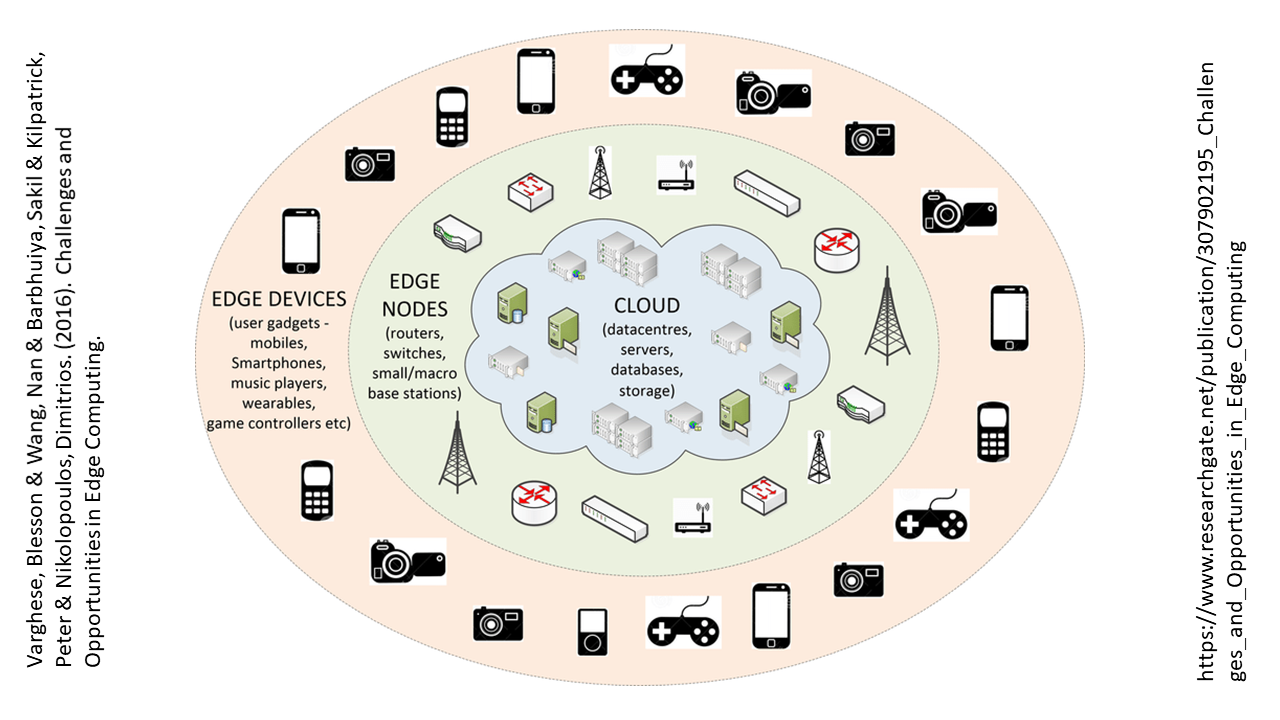
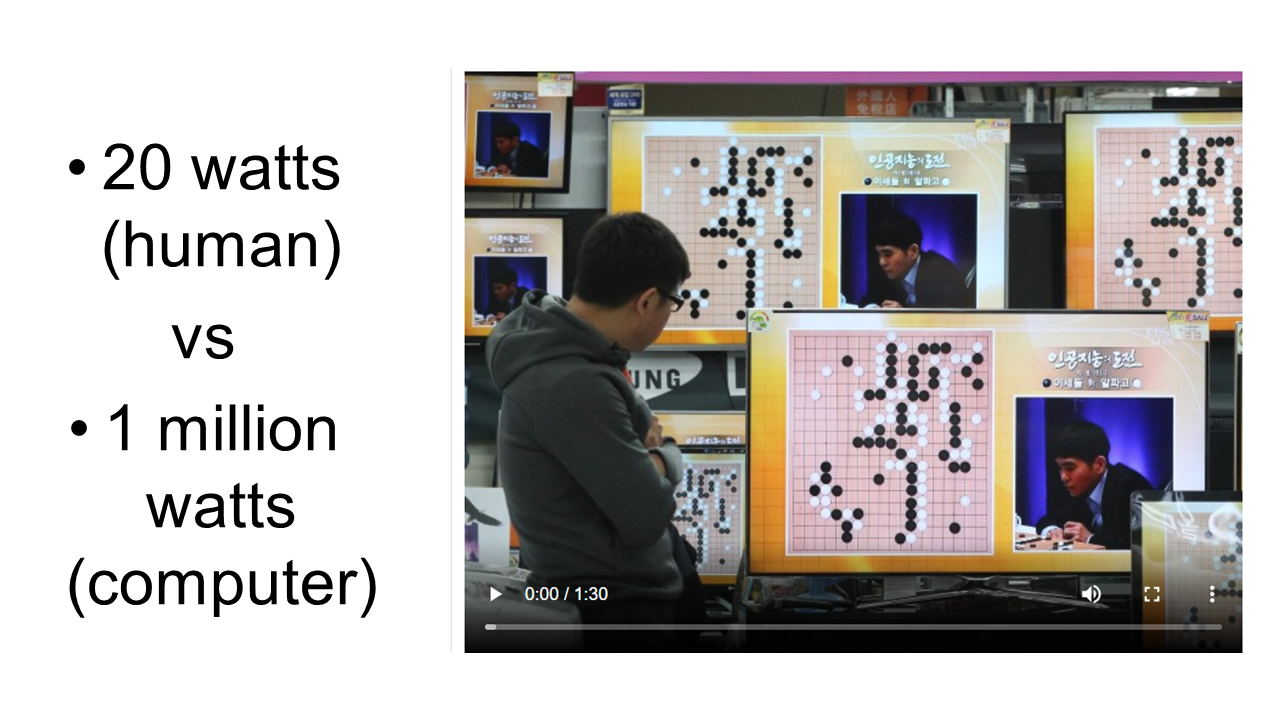
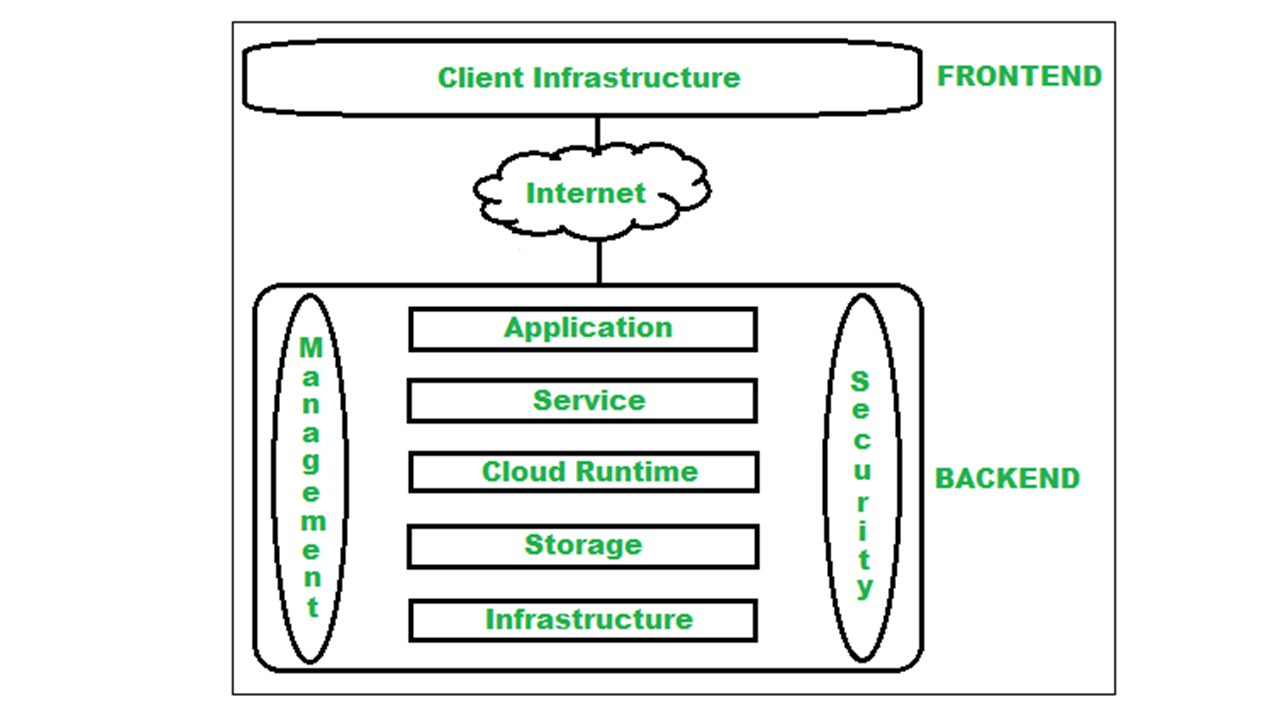
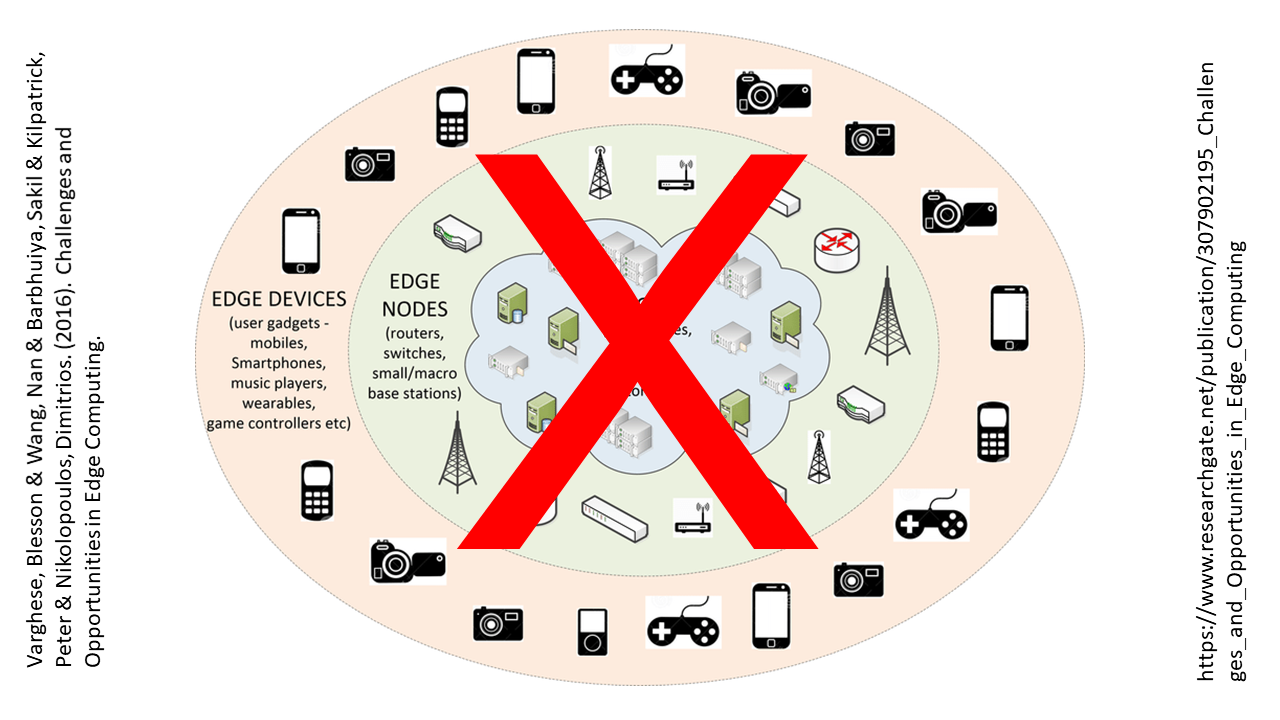
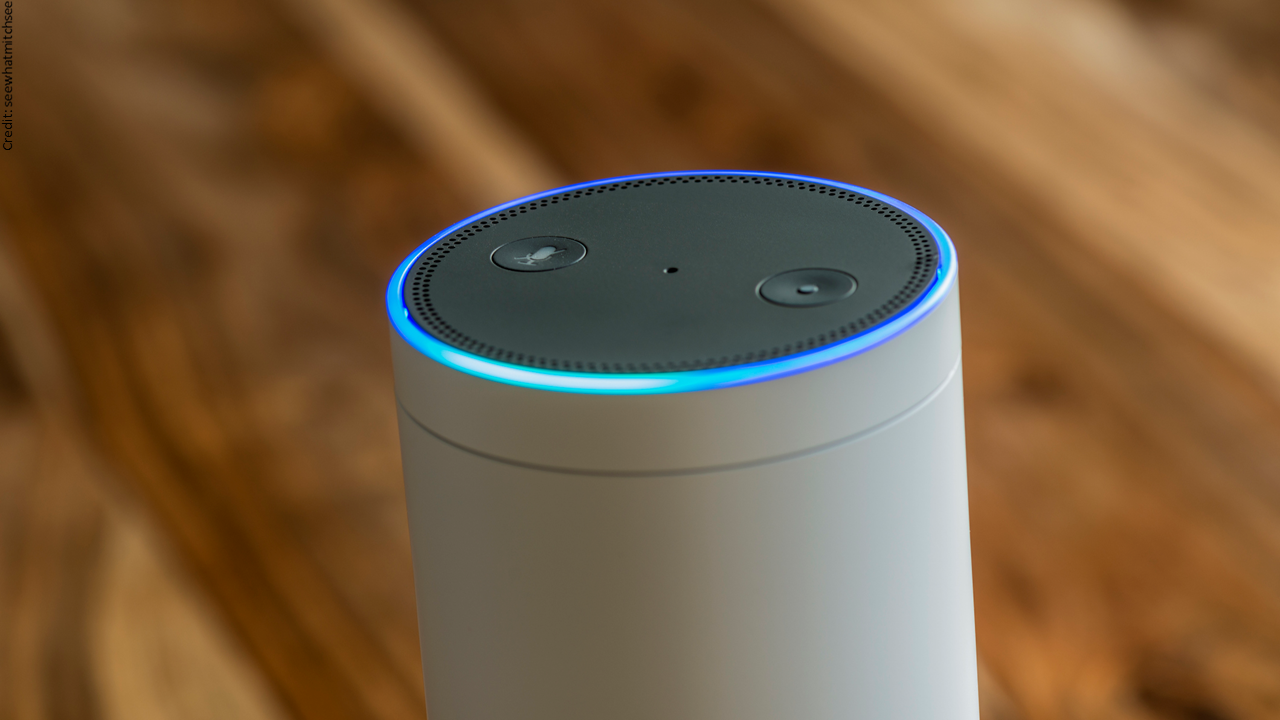
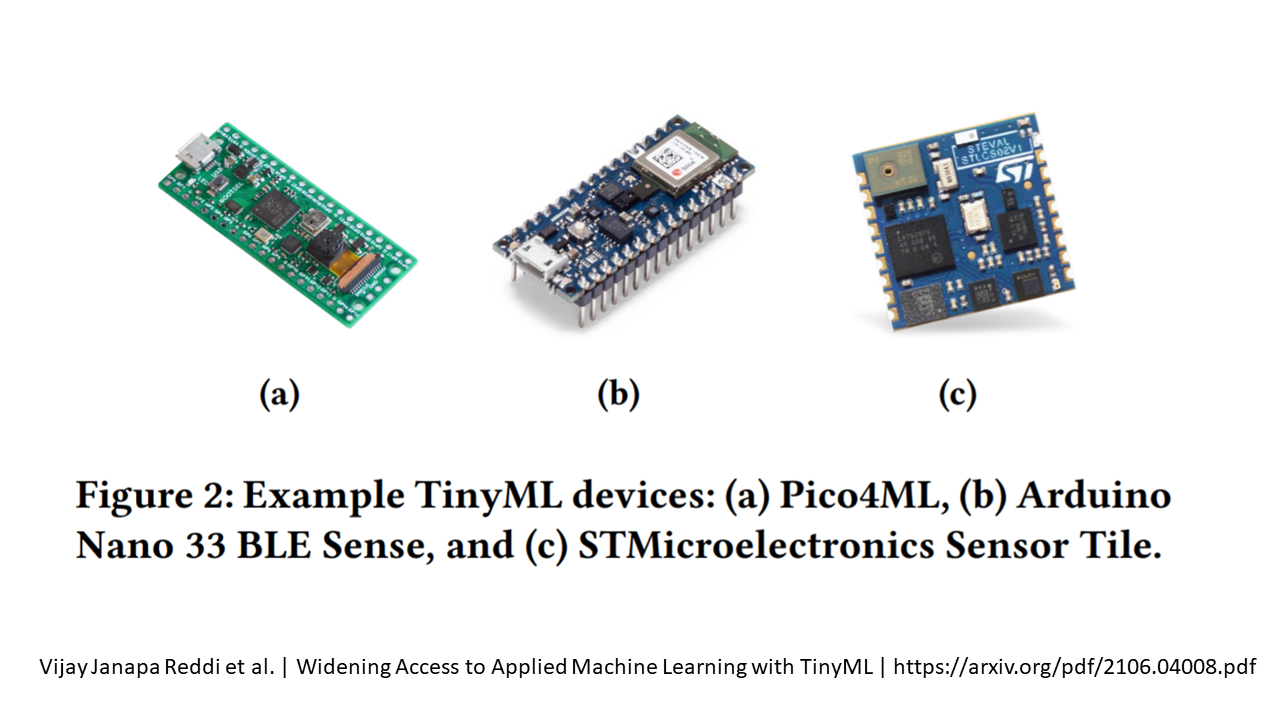
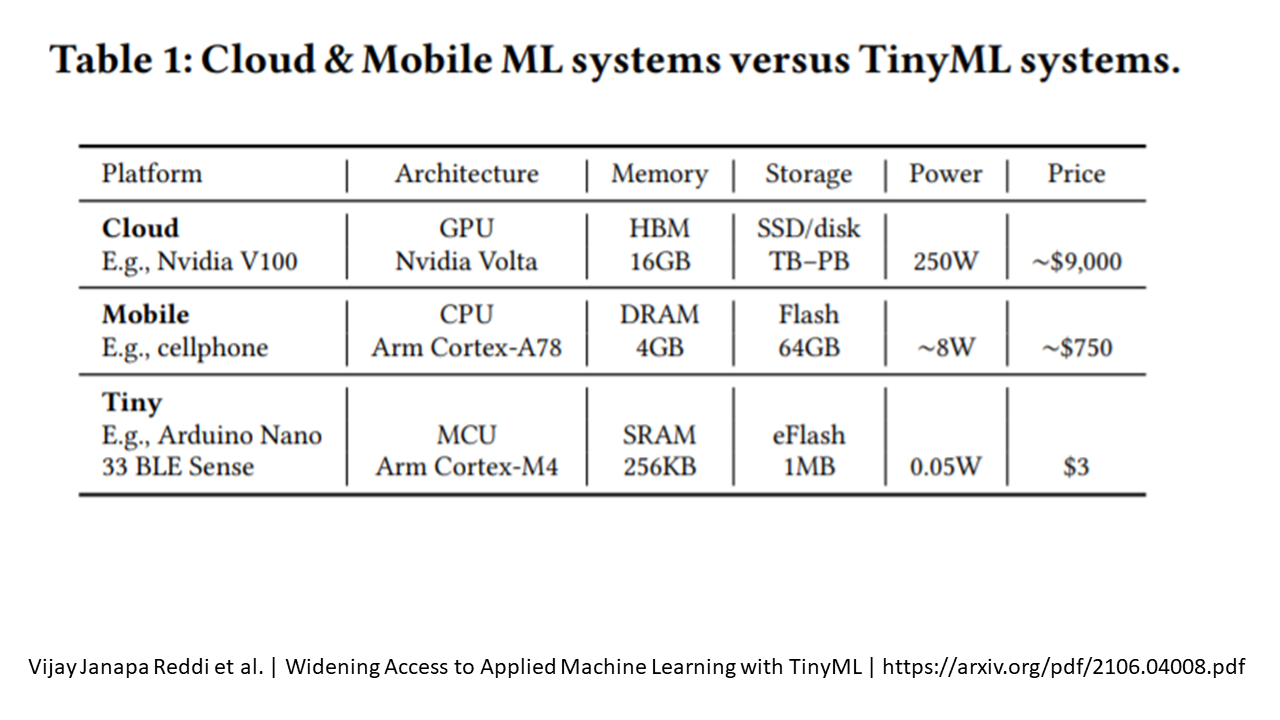
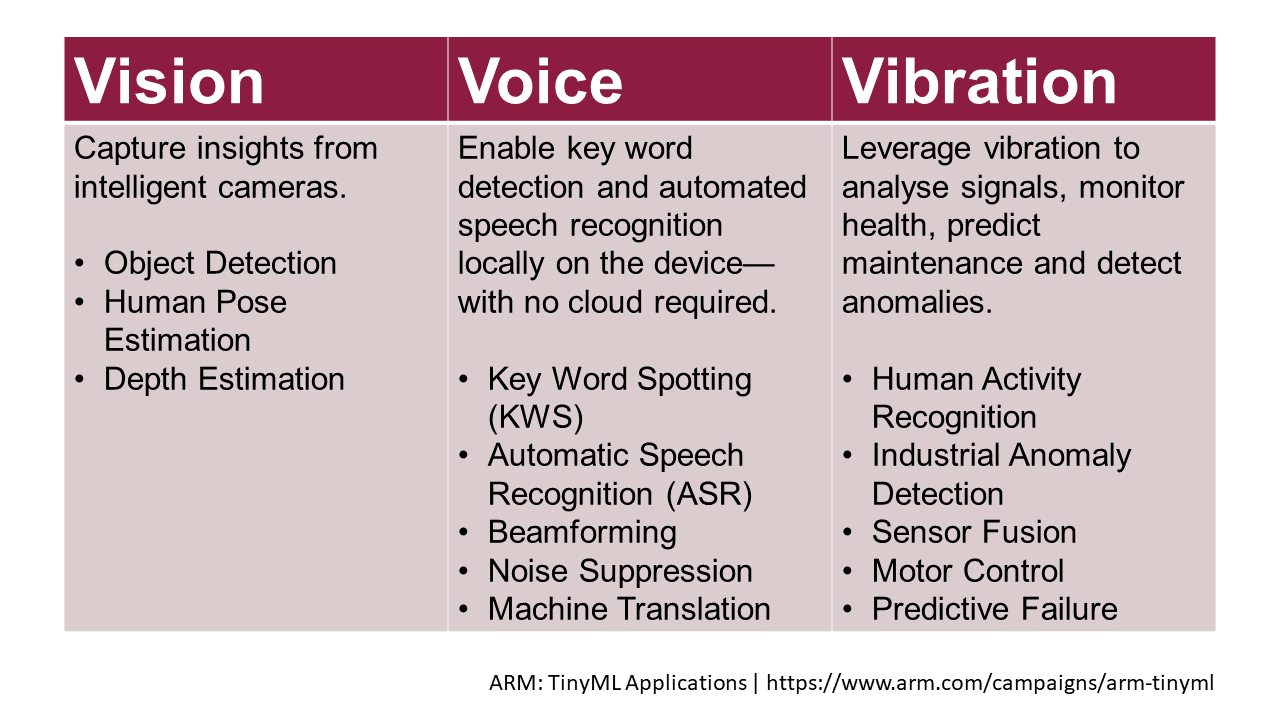
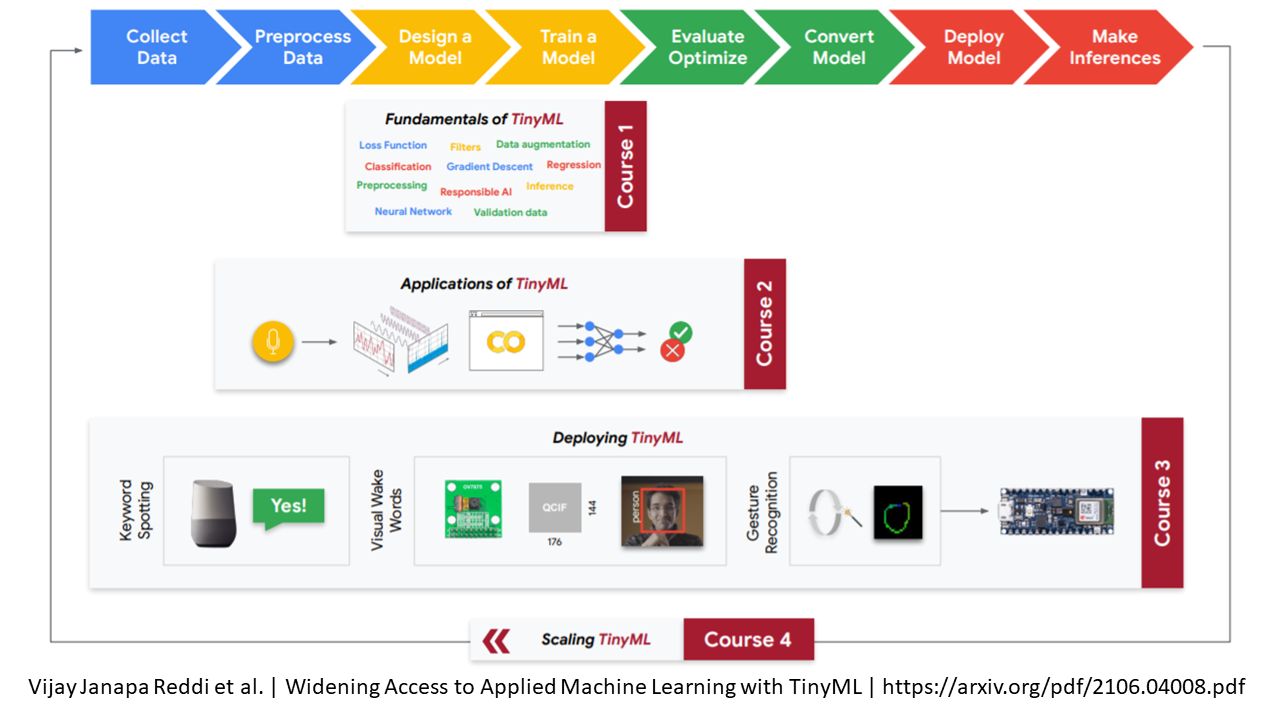
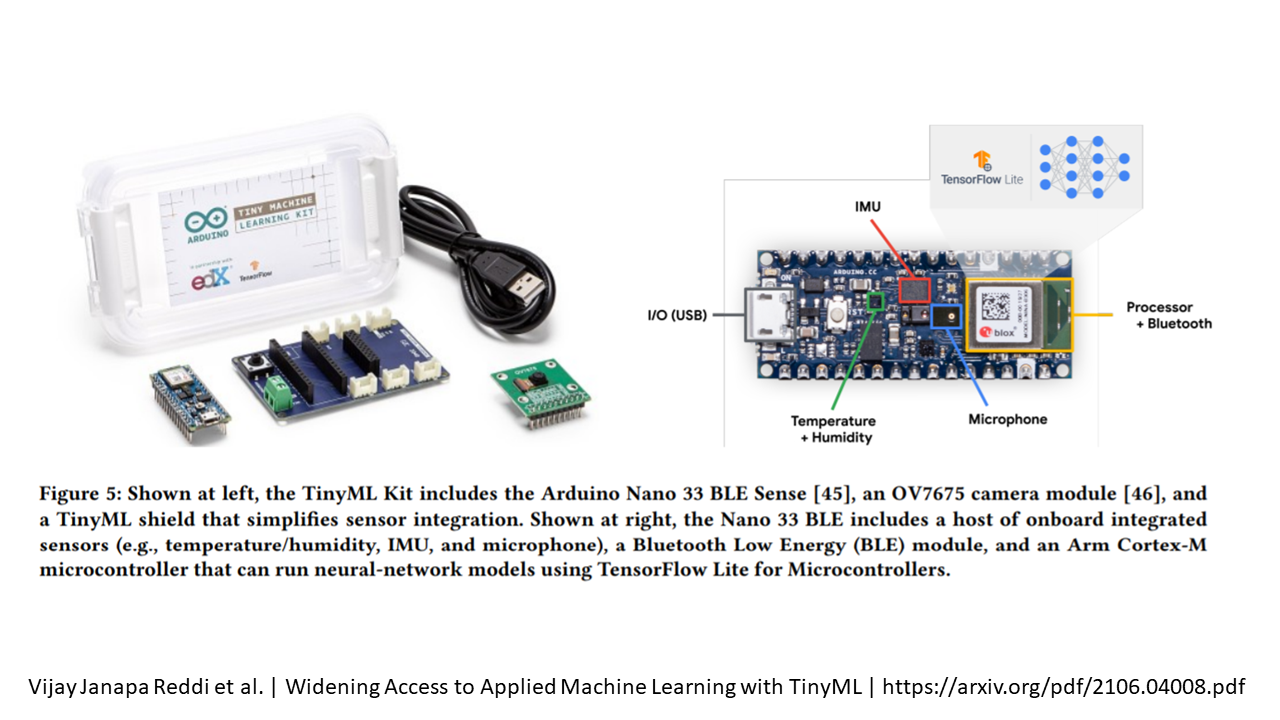
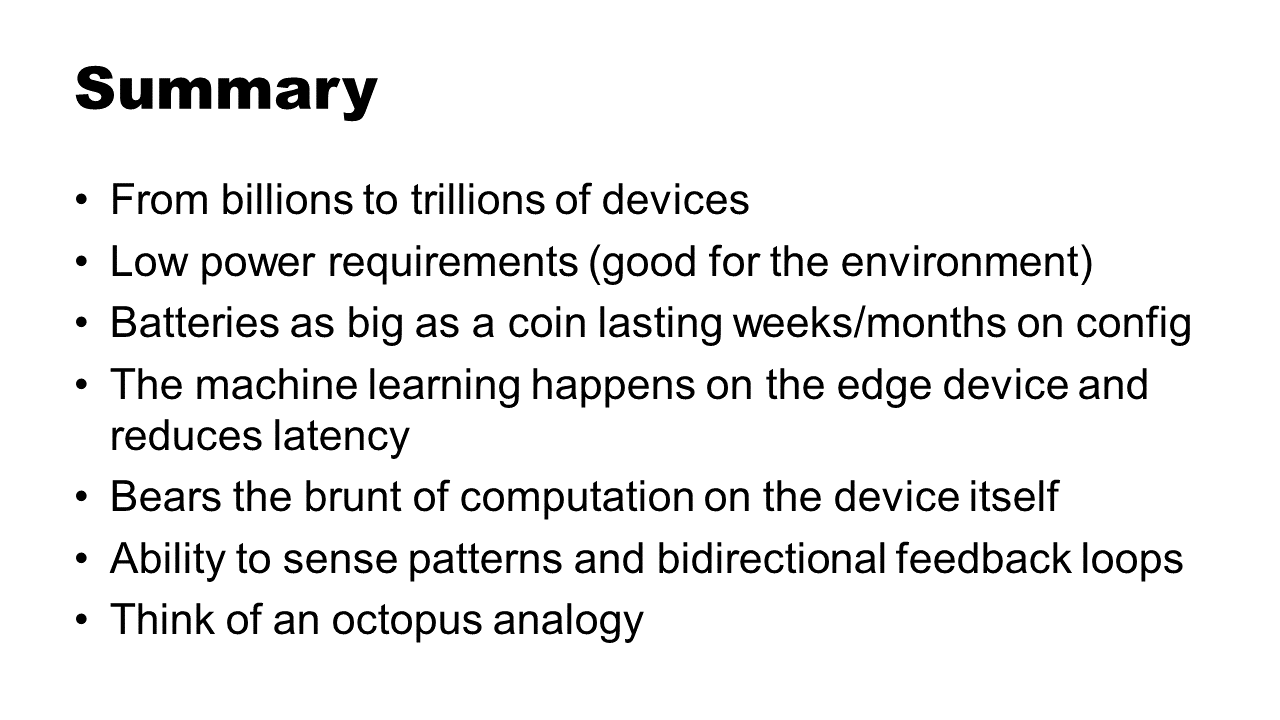
TinyML has made it possible for machine learning to occur on-board devices without the need to go back to the Cloud or utilise additional processing power. This reduces the amount of energy that is required to make a given transaction, increases the speed to processing, and reduces latency for response time. It means that edge devices are so powerful because they can act on their own accord, gathering and processing, and sensing the environment and only being triggered at the right moment to “come alive” again saving on battery power. Applications that will make use of TinyML include mobile phones, hubs, conversational agents, toys, games, cameras, motion detection, and more. “Wake words'“ using TinyML, for example, wait for a user to say speak a “wake word” and use power as required, without constantly being “on”.
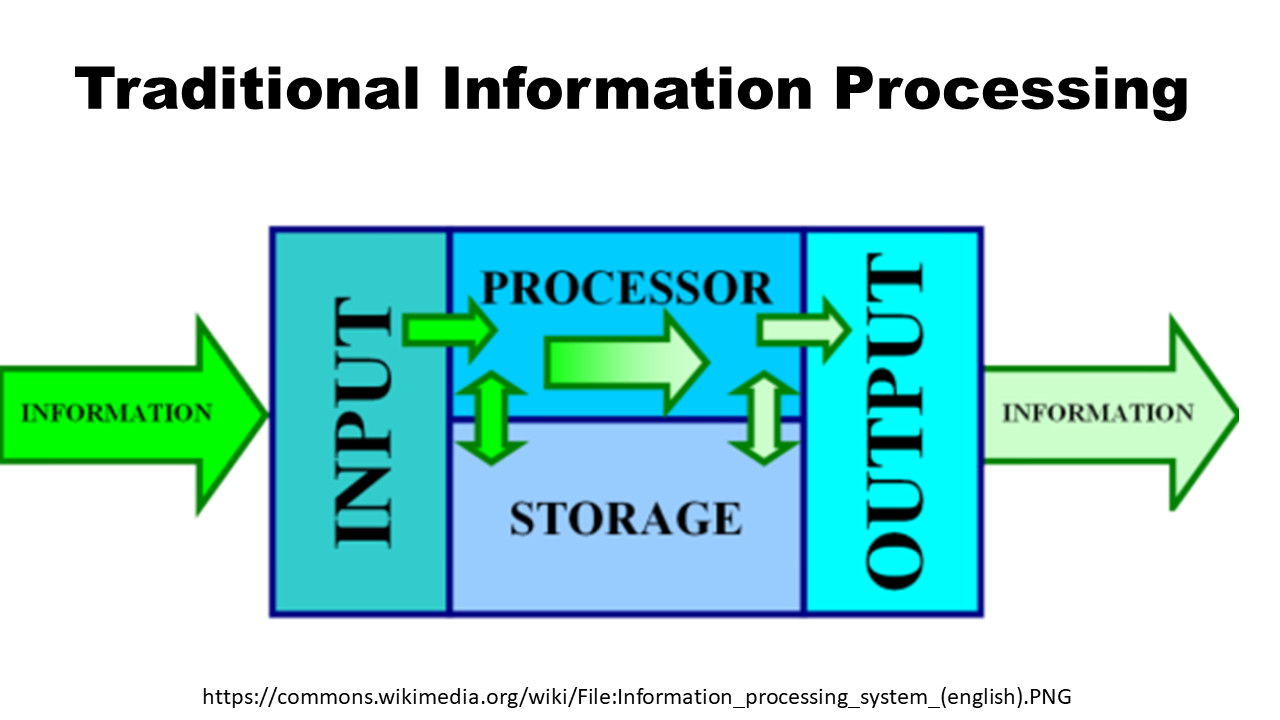
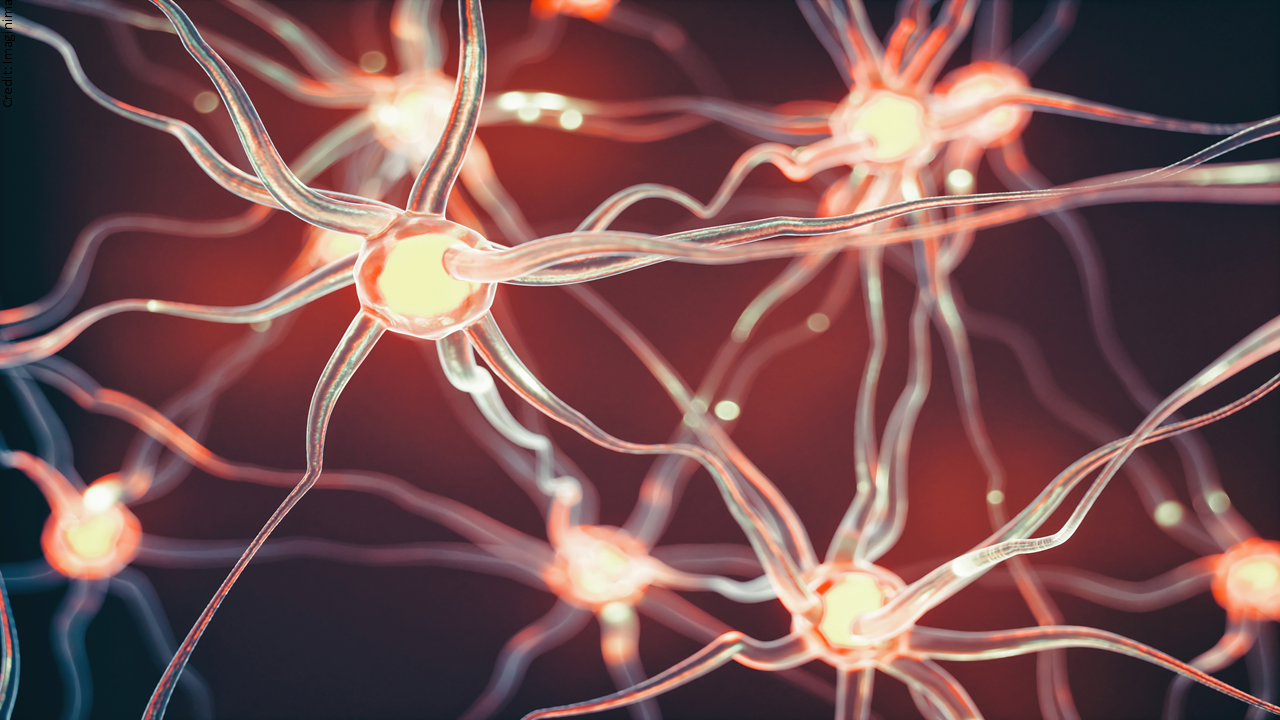
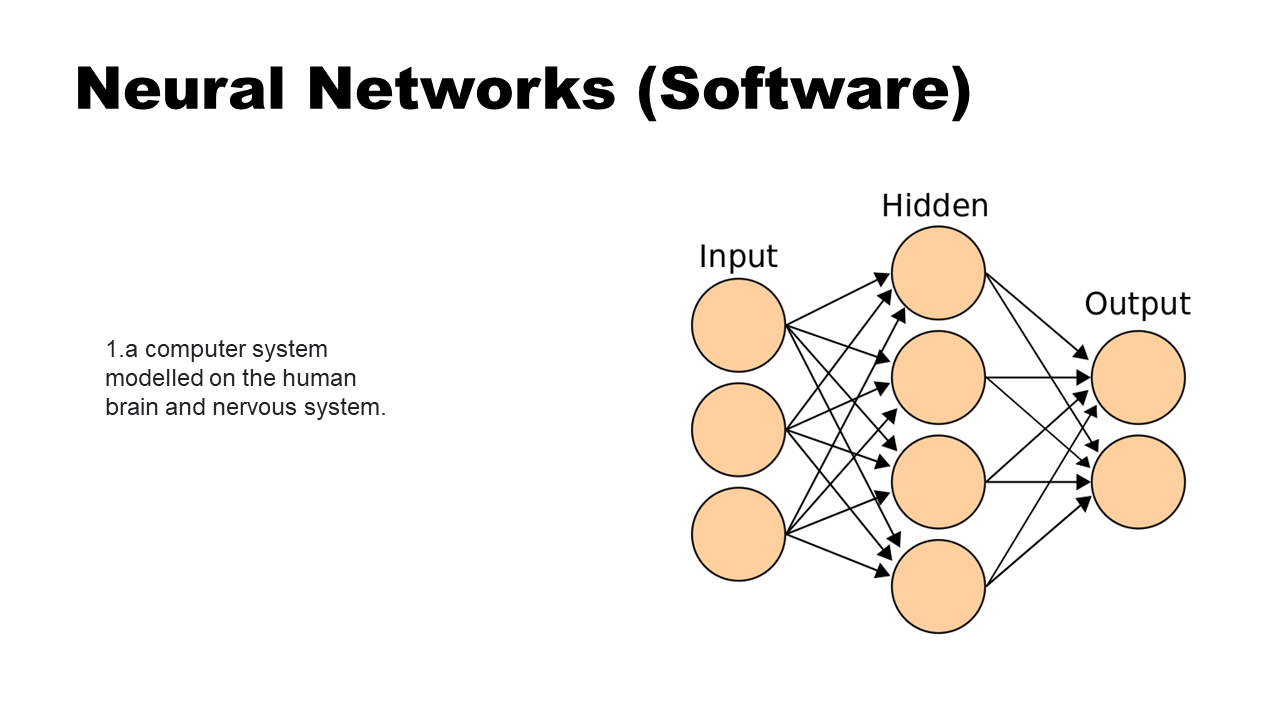
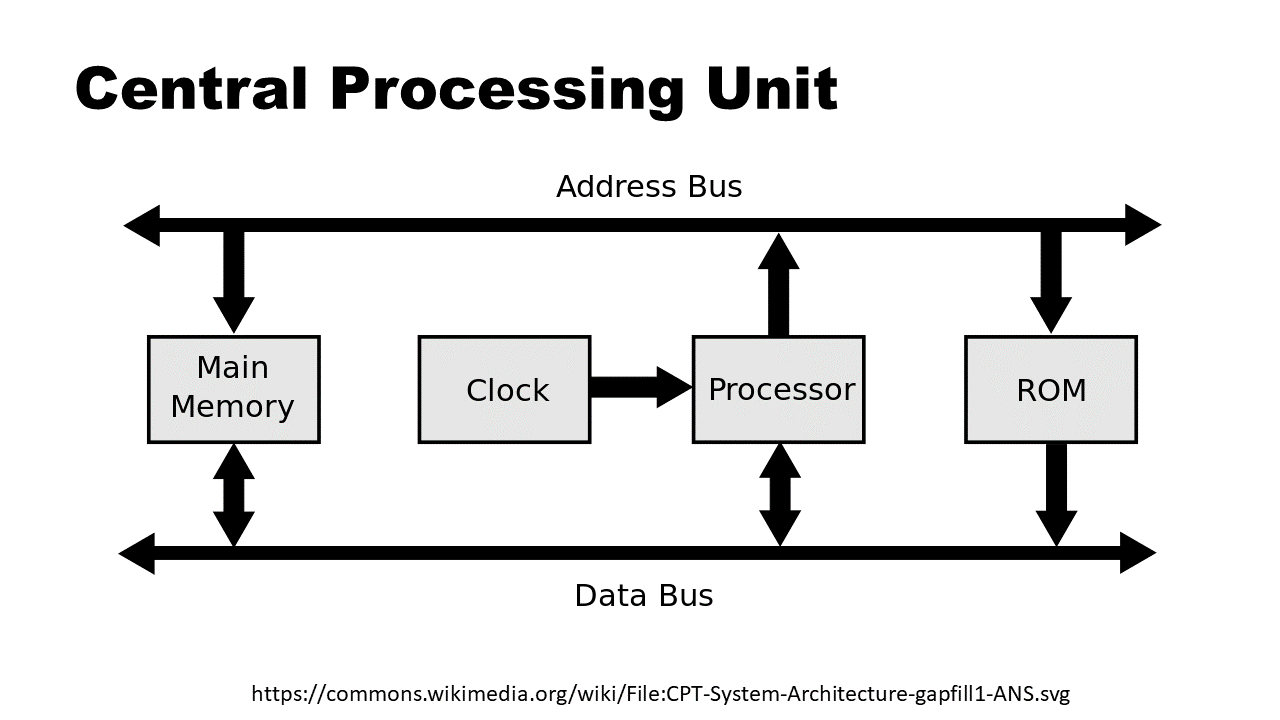
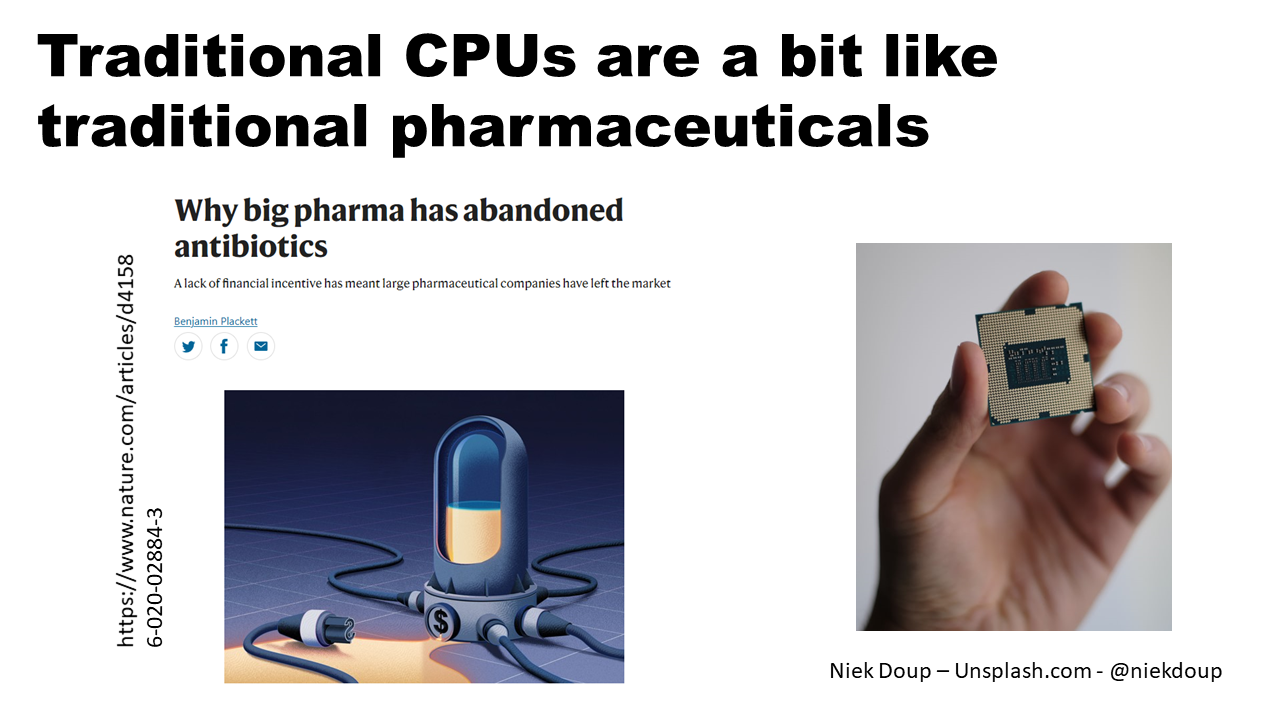
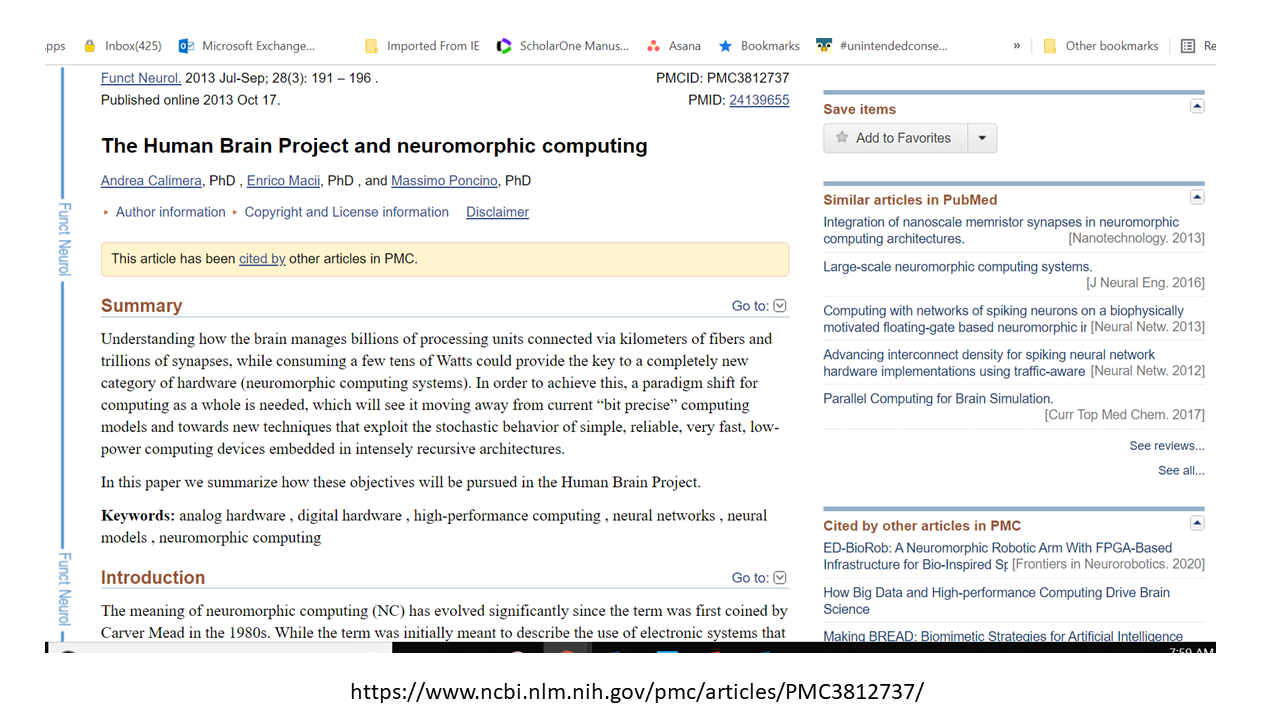
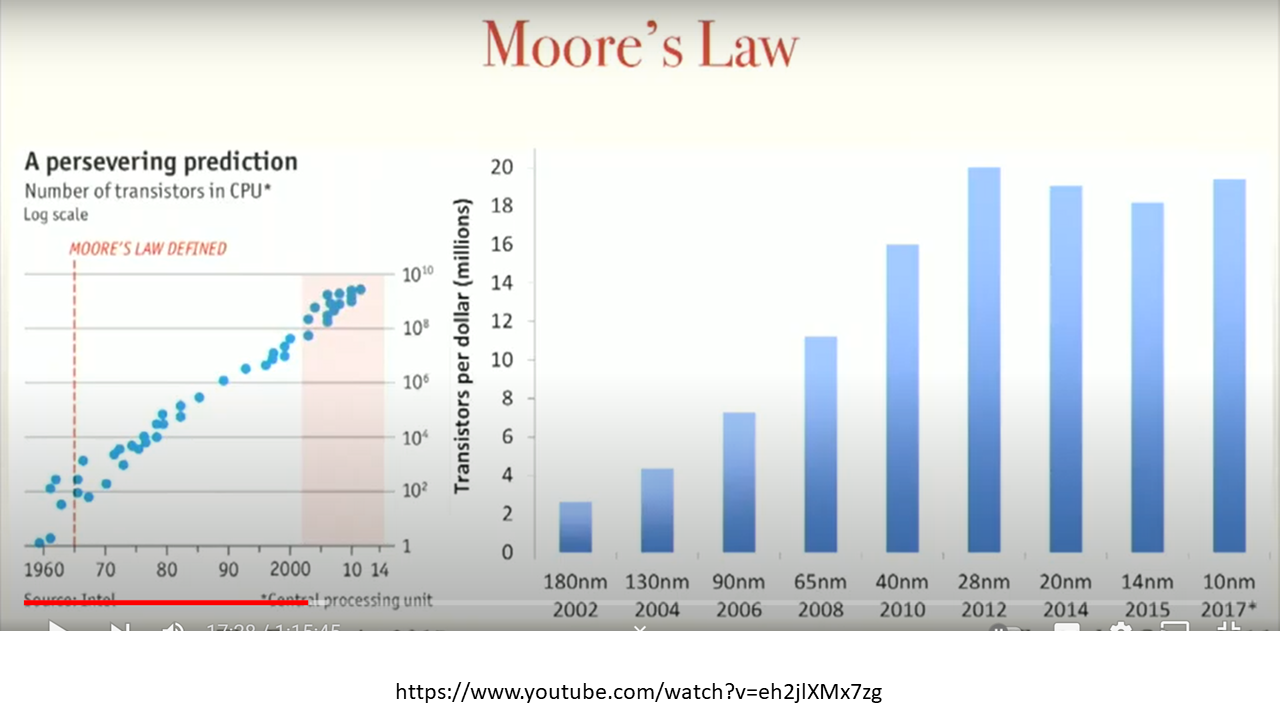
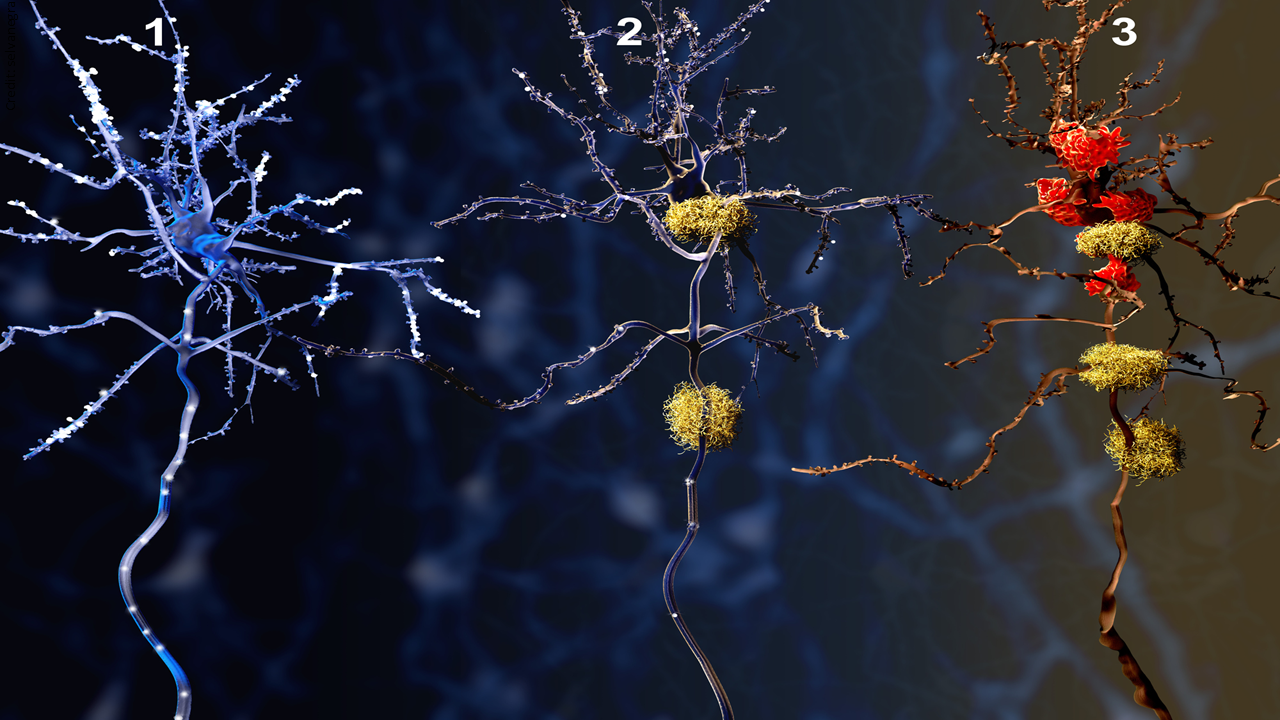
Despite the rise of neural network approaches (i.e. software) that have relied greatly on supervised learning, limitations of traditional CPU architectures have not provided the best means of resources toward efficient problem solving. Neural networks are supposed to mimic the way that the human brain works. In essence, we have had had till recently, software that operates akin to neurons and synapses (analog in style), with hardware that is still based on gates and 1s and 0s (digital).
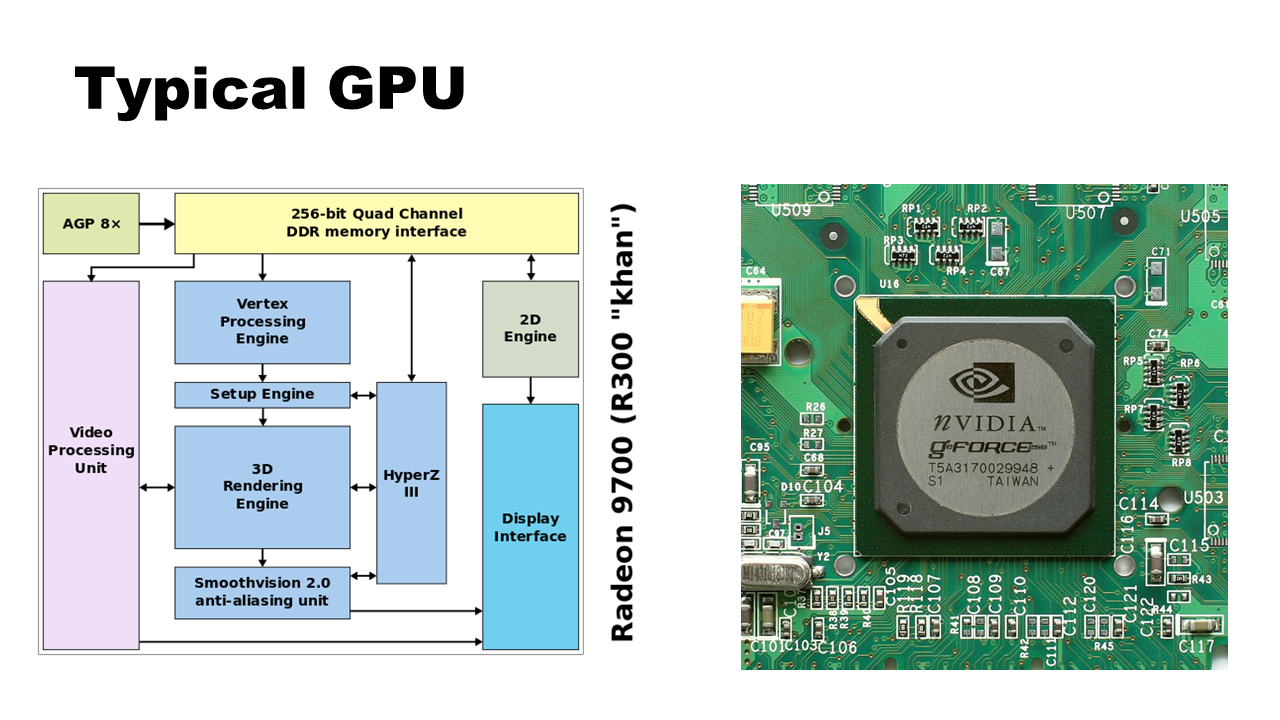
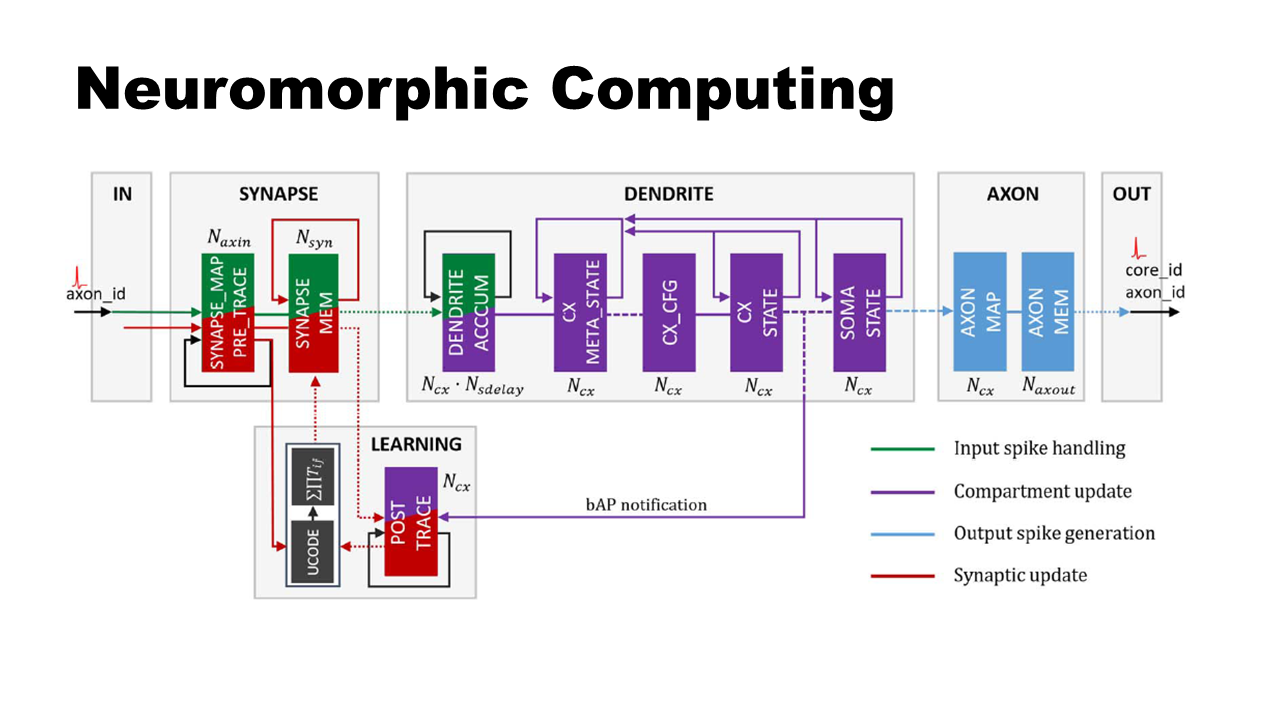
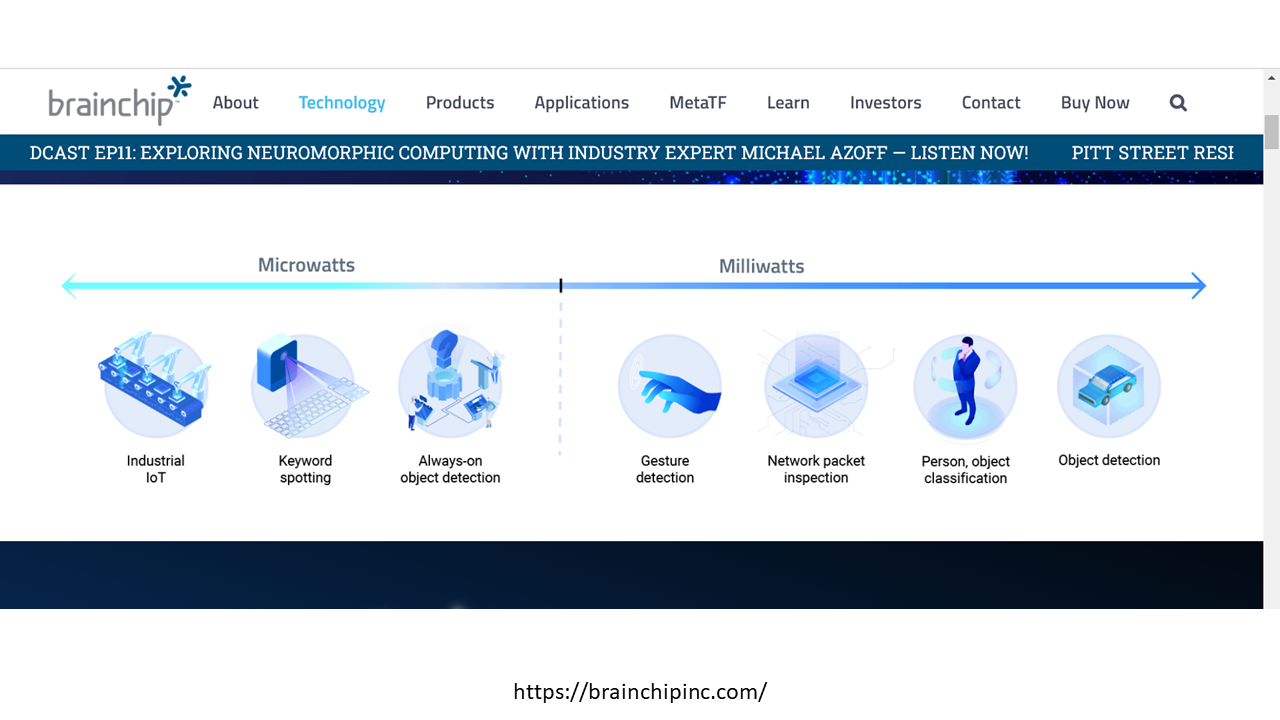
Enter neuromorphic computing. A hardware approach to computer systems architecture that also mimics the way the brain works. Companies like ARM and BrainChip Inc, are entering a market where their hardware and microchips are built purposefully for machine learning algorithms, providing the ability for hardware to complement the machine learning algorithms that are based on neural network approaches.
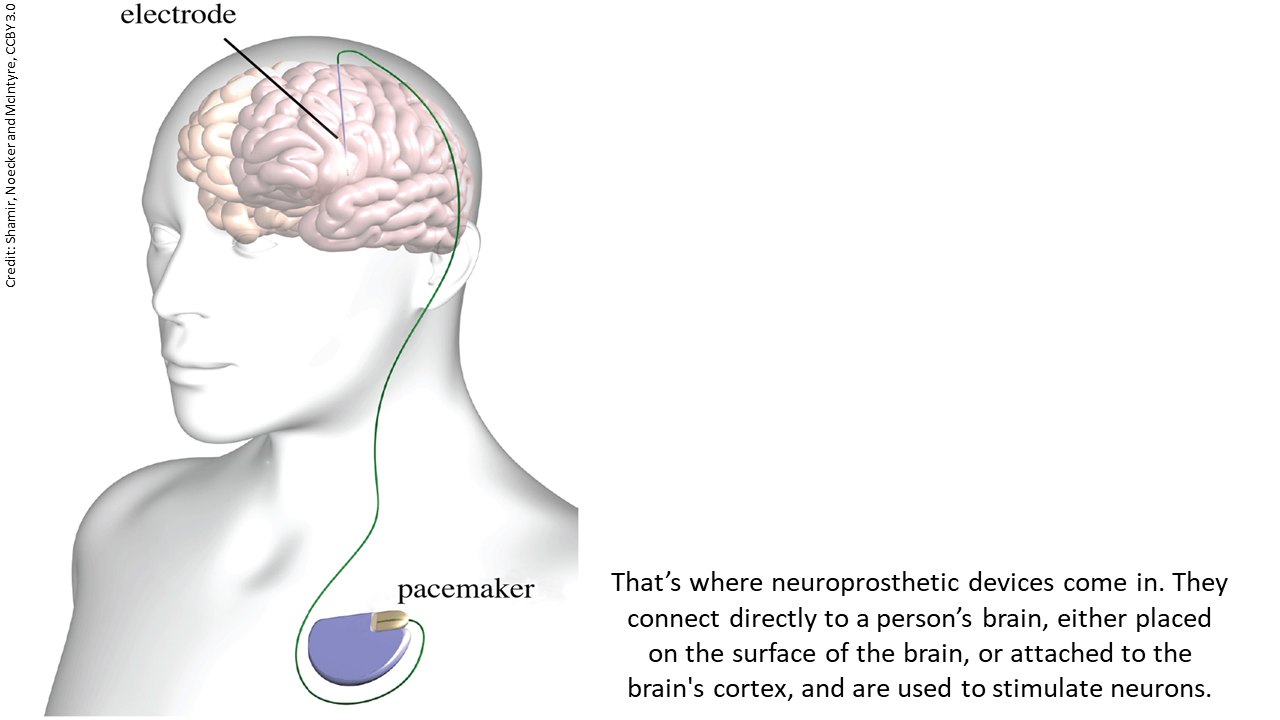
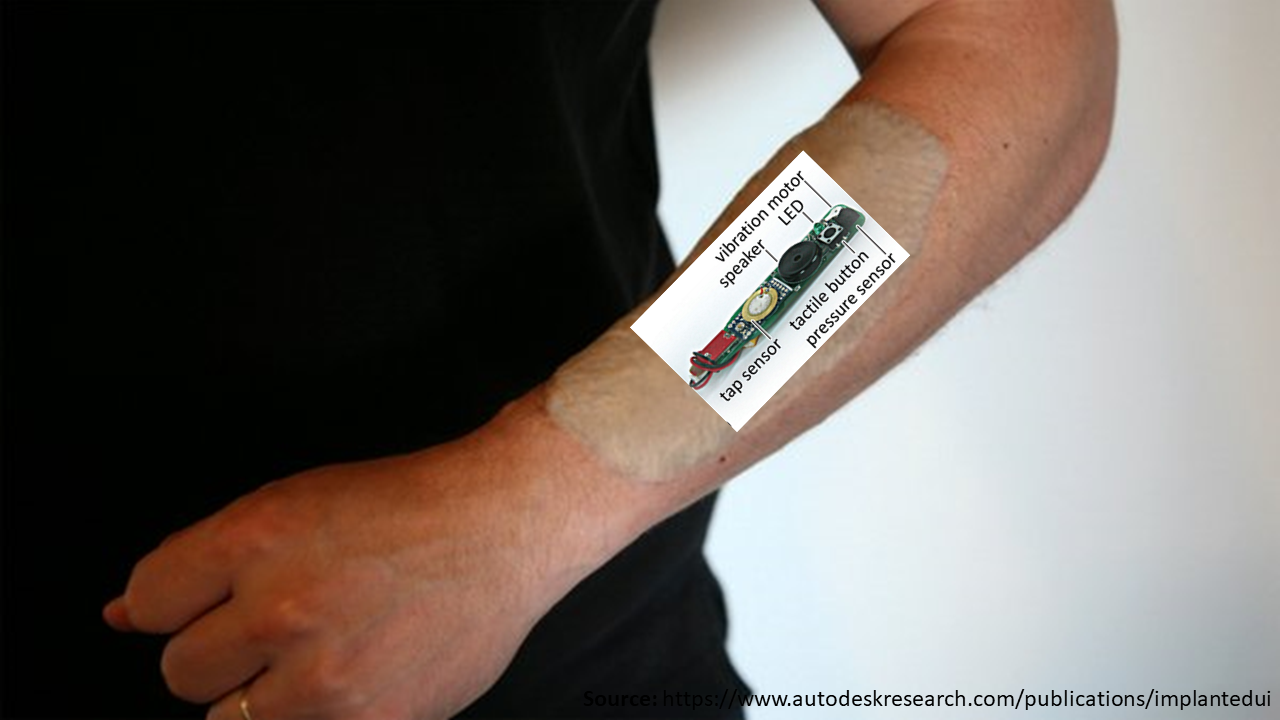
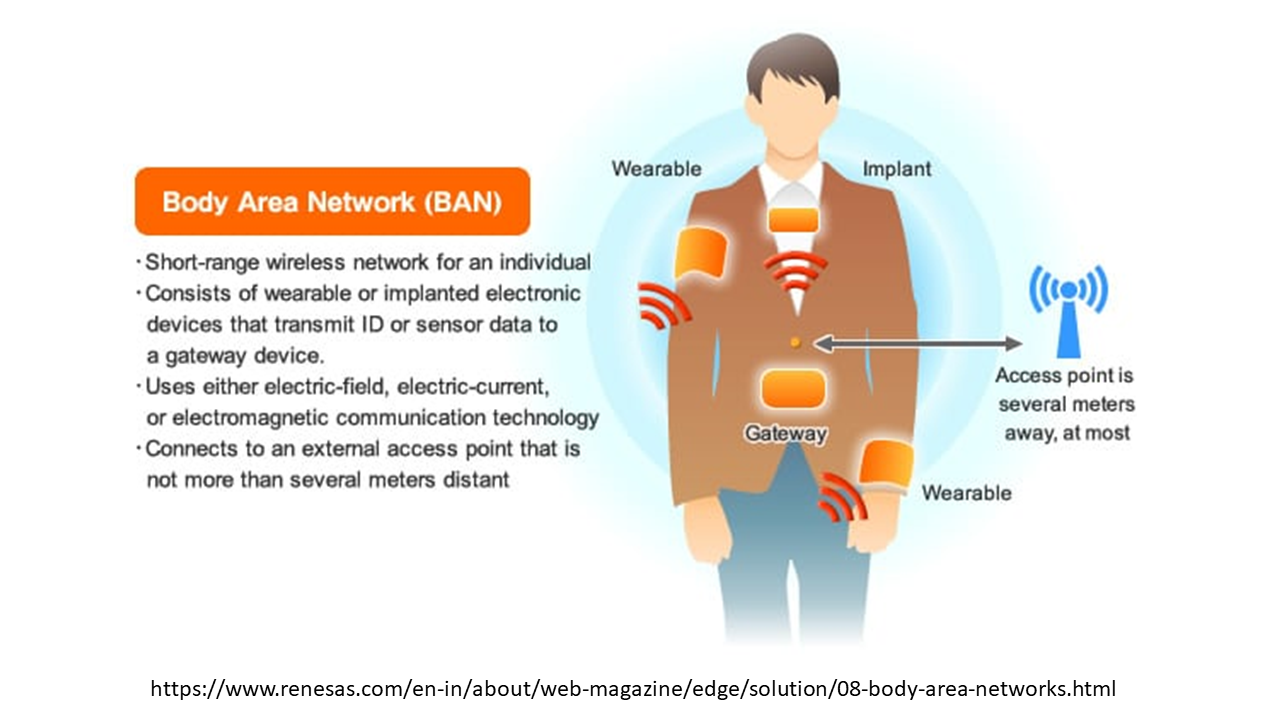
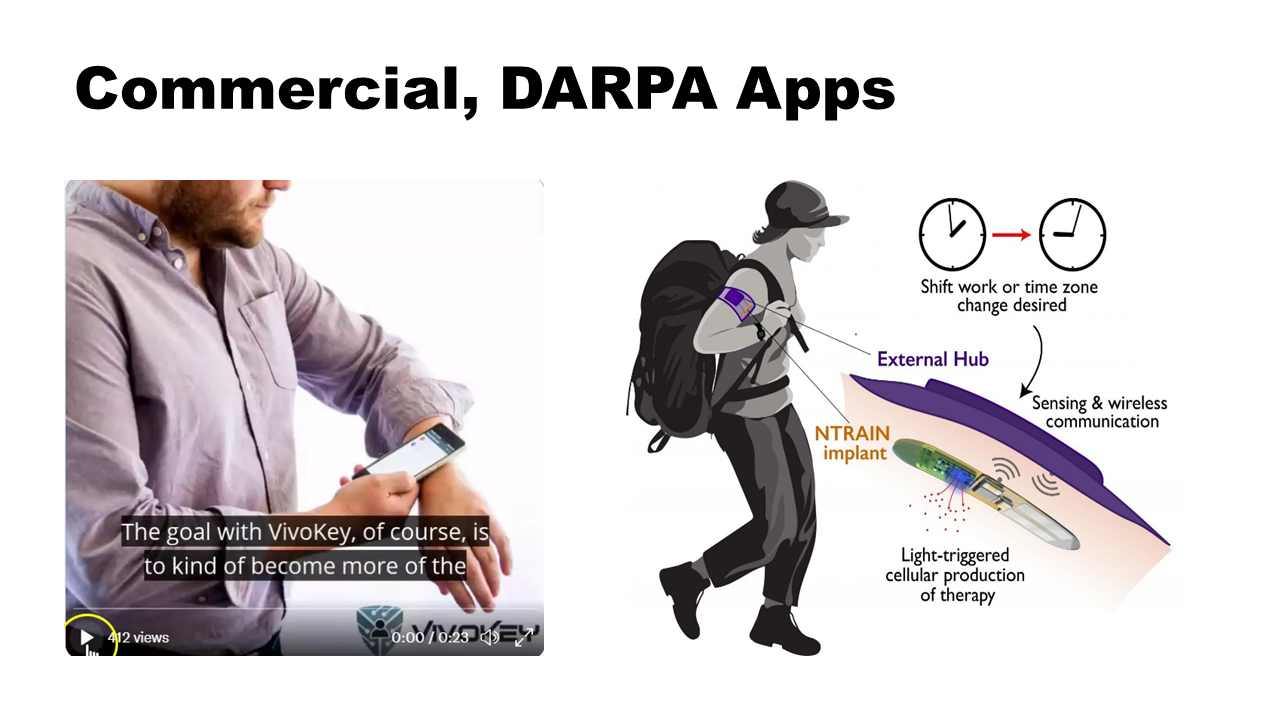
So software (neural networks), hardware (neuromorphic computing), and TinyML tools, now provide a new way for data to be gathered and processed at the Edge, without the need to go to the Cloud. This has profound implications for nano-level devices that can be found anywhere: on the body, in the body, and external to the body in the environment. The presentation will allude to the potential trends and application of TinyML and neuromorphic computing.

SensMACH 2021 Program – Collaborative with the TinyML Phoenix Chapter
Tuesday November 9th, 2021
Session Chair: Steve Whalley
8:30-8:40 – Opening Remarks A. Spanias and Steve Whalley, Lightsense
8:40-8:50 – The Tiny ML Foundation and the Phoenix TinyML Chapter, Evgeni Gousev, Qualcomm
8:50-9:20 – Arizona Heat and the MaRTy Project, Ariane Middel, ASU AME & SCAI
9:20:9:35 - Spatial AI on the edge, Erik Kokalj, Luxonis
9:35-9:50 – TinyML technologies and Neuromorphic Computing, Katina Michael ASU SFIS & SCAI
9:50-10:05 – Arizona Heat and Tiny ML R&D Opportunities, Suren Jauasuriya ASU AME & ECEE
10:05-10:20 – Far-Field Speech Recognition at MCU-based Edge Device, Jongming Lee, NXP
10:20-10:35 –On-Device Joint Human-Machine Decision Assessment for Remotely Operated Vehicles, Theo Theoharides, KIOSCenter, UCy
10:35-10:50 – IoT use-cases enabled by embedded machine learning using ultra-low power motion sensors, Dan Sadler, NXP
10:50-11:05 - Machine Learning applied to Spectroscopy for Rapid Detection of Pathogens, Mike Stanley, Lighsense
11:05 Discussion
11:30 Adjourn
tinyML Foundation is a non-profit professional organization focused on supporting the fastgrowing branch of ultra-low power machine learning technologies dealing with machine intelligence at the very edge of the cloud. These integrated “tiny” machine learning applications require “full-stack” (hardware, system, software, and applications) solutions including machine learning architectures, techniques, and approaches capable of performing on-device analytics. A variety of sensing modalities (vision, audio, motion, environmental, health monitoring, etc.) are used with extreme energy efficiency, typically in the single milliwatt (and below) to enable ML at the boundary of the physical and digital worlds.
The sensors signal and information processing (SenSIP) center and industry consortium was established in 2007. SenSIP houses use-inspired research and trains students in areas that include sensor and information systems, machine learning, digital signal and image processing, and wireless sensor networks. Applications addressed include integrated sensing, biosensors, security, sustainability, 5G and low power systems, radar, and vehicular sensing. The center is also an Industry/University Cooperative Research Center (I/UCRC) sponsored by NSF and several industry members and government labs. Industry members of SenSIP include: CI Labs, NXP, ON Semi, Qualcomm, Raytheon, Sprint (T-mobile) and several SBIR type companies: Alphacore, Lightsense, PSG, Poundra and Resonea.
Citation: Katina Michael, 9 November 2021, in A. Spanias, “TinyML and Neuromorphic Computing”, SENSEMACH21 [zoom].