Embedding Values in the Design of a Technotherapeutic Implantable System for Warfighters
Title:
Embedding Human Values in the Design of a Technotherapeutic Implantable System for US Warfighters: A Multi-Layered Socio-Technical Inquiry from Proof of Concept to Prototype and Testing
Abstract:
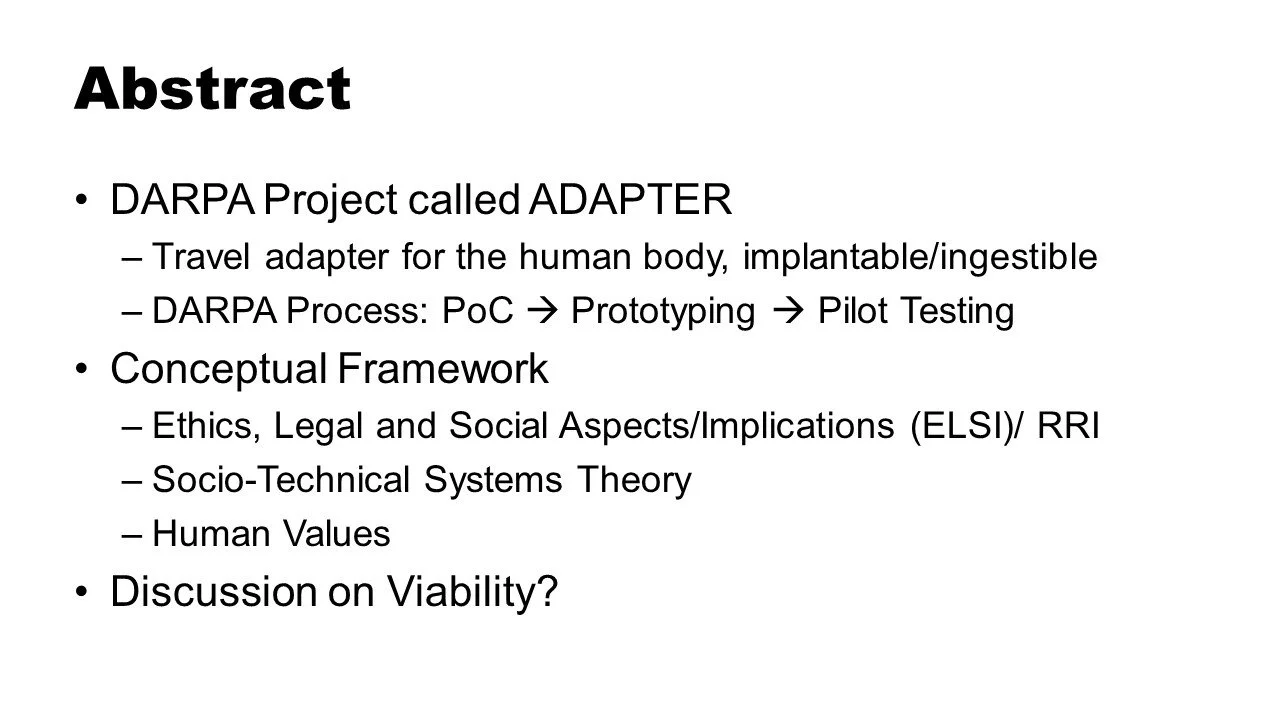
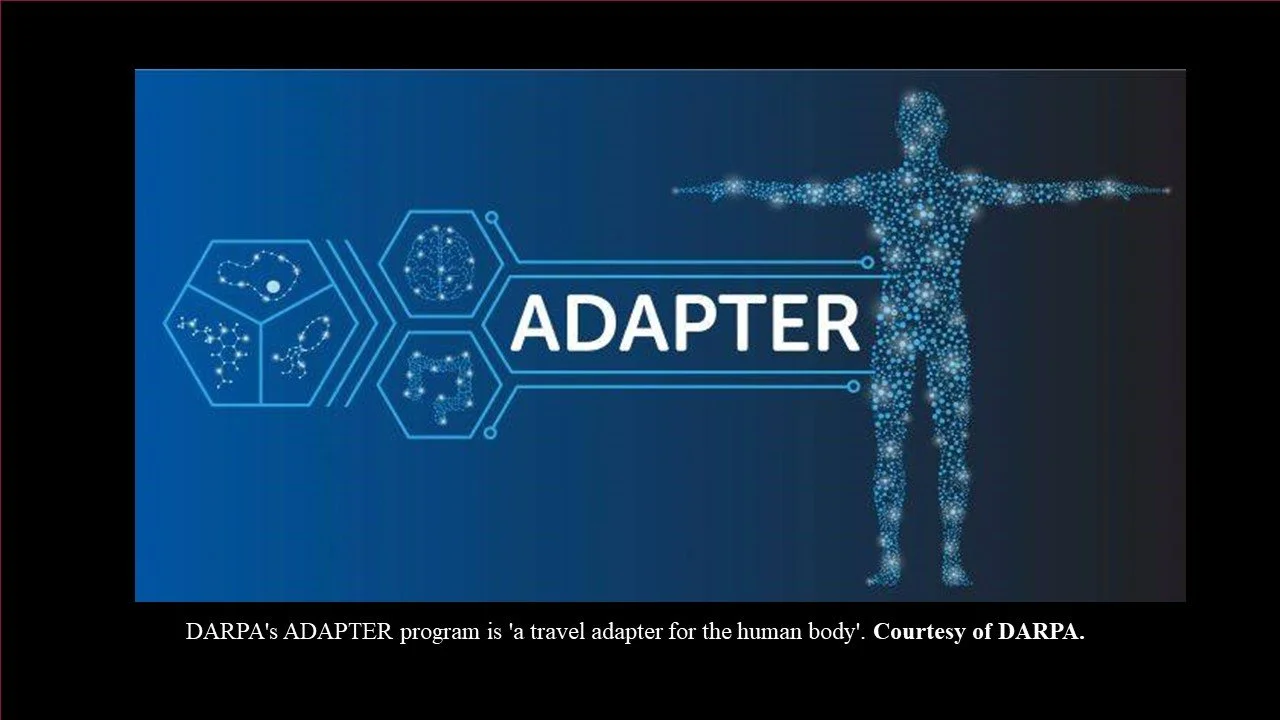
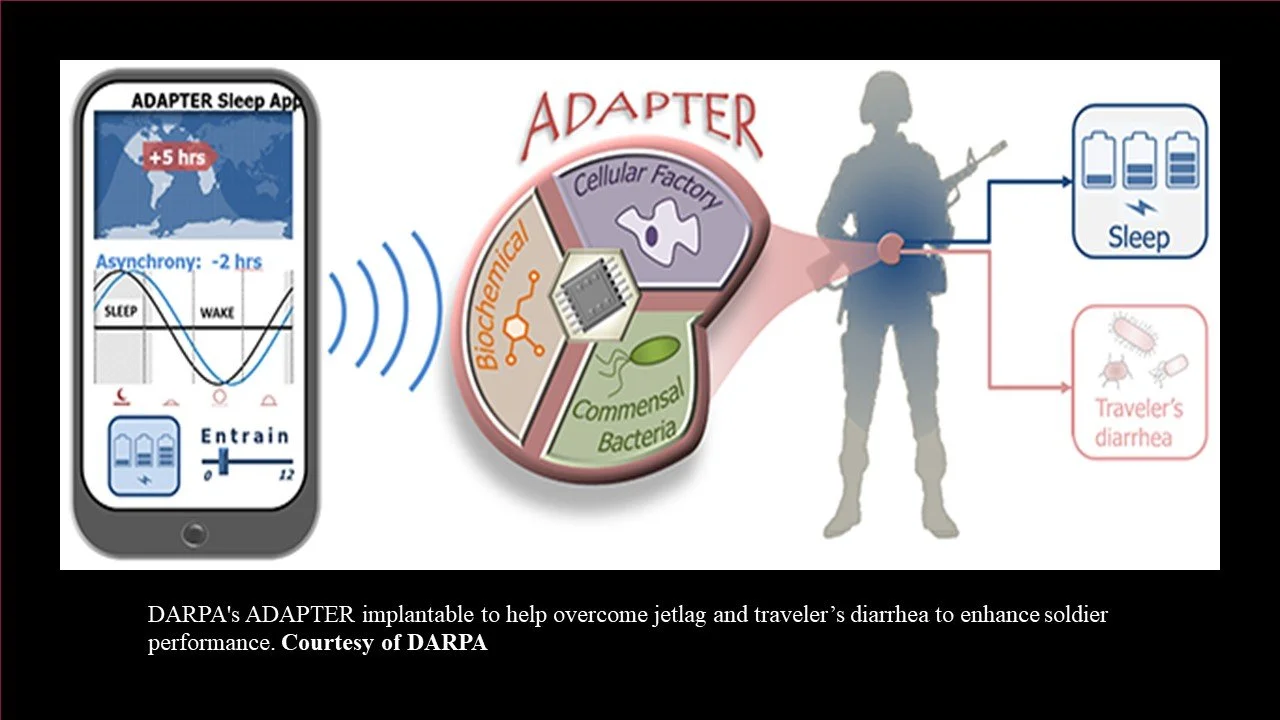
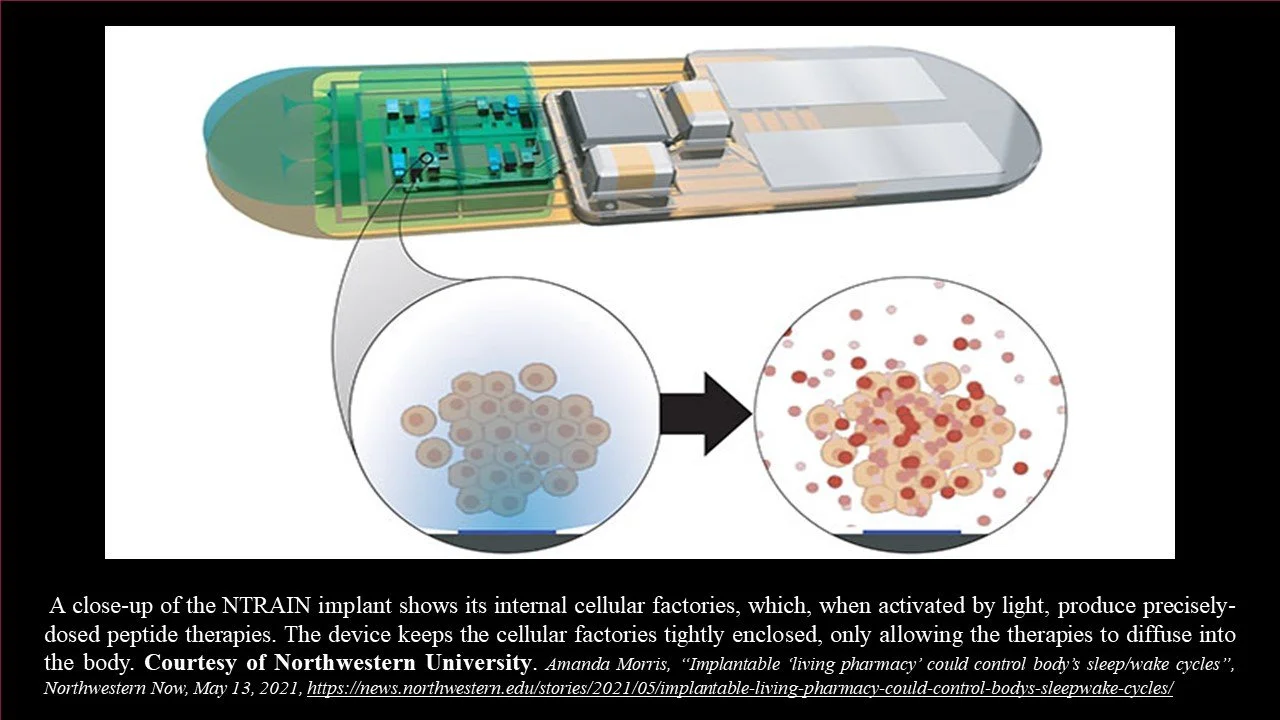
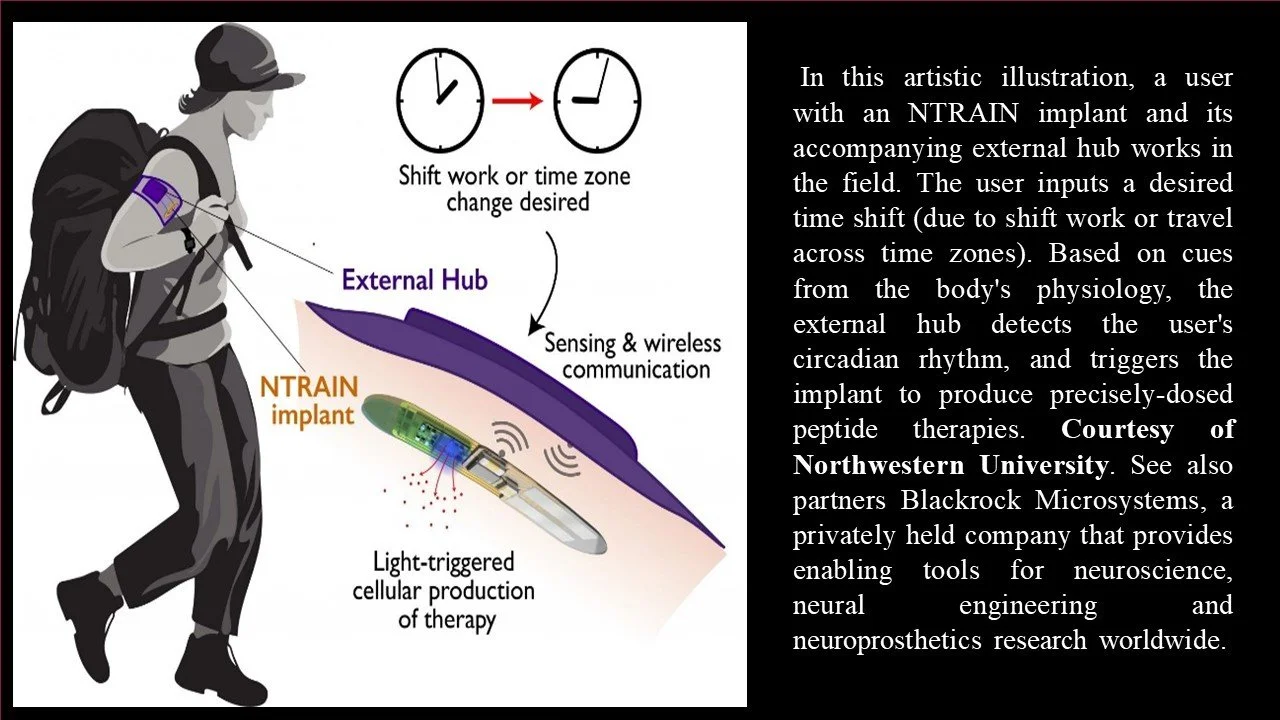
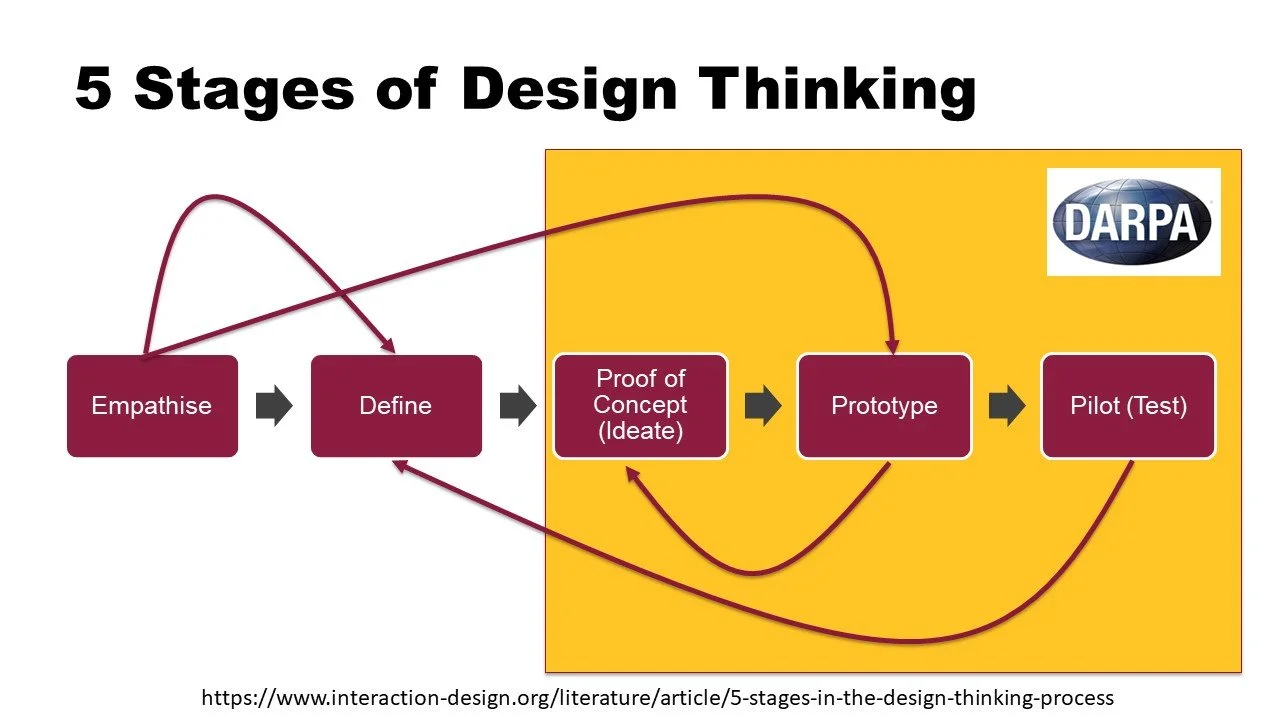
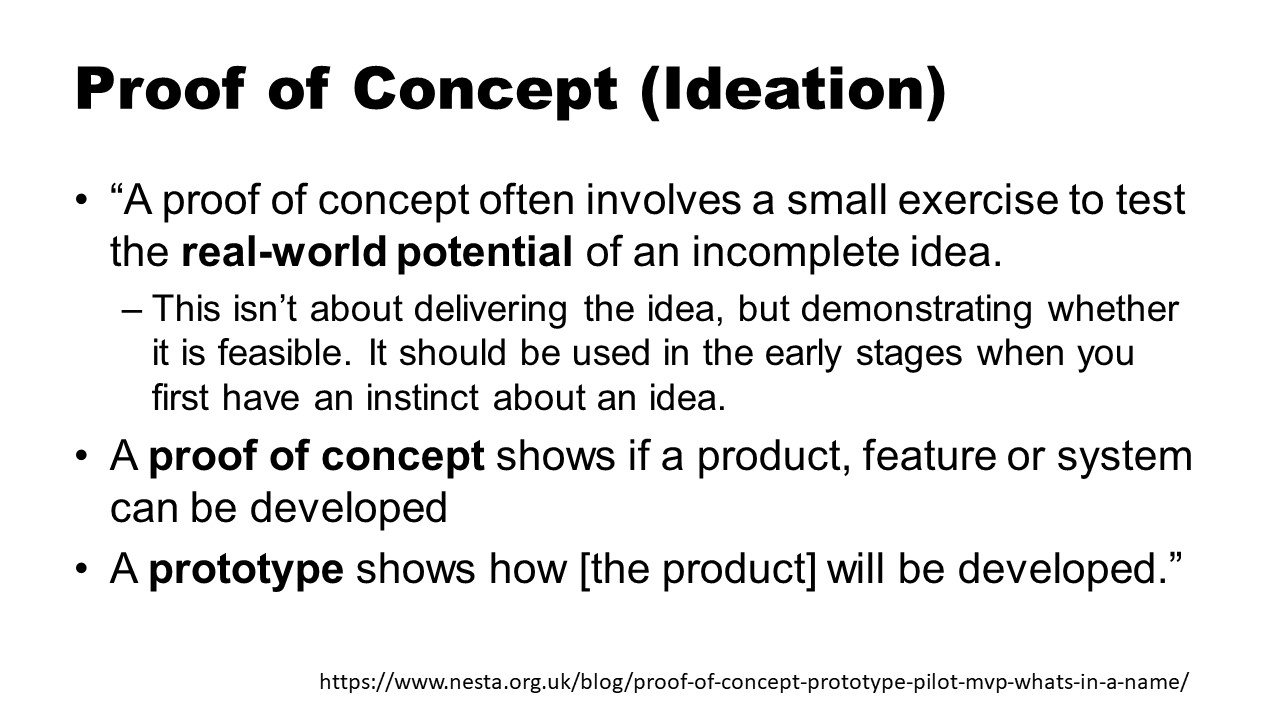
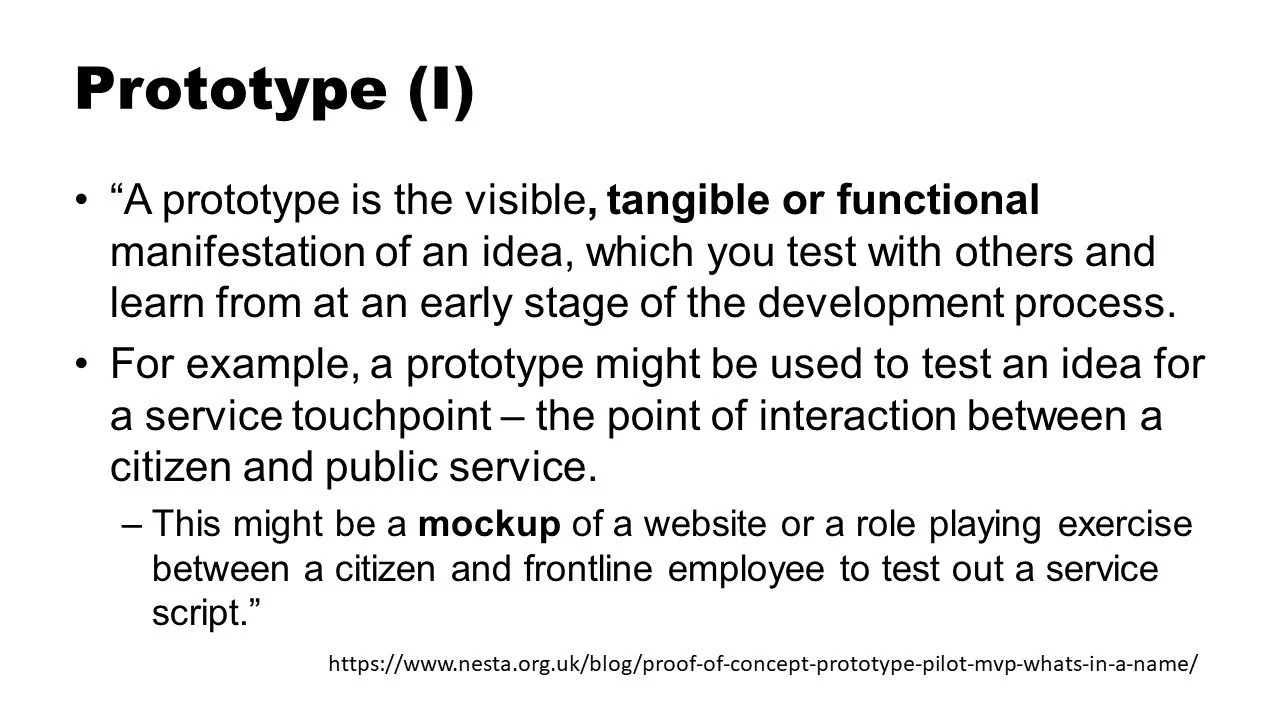
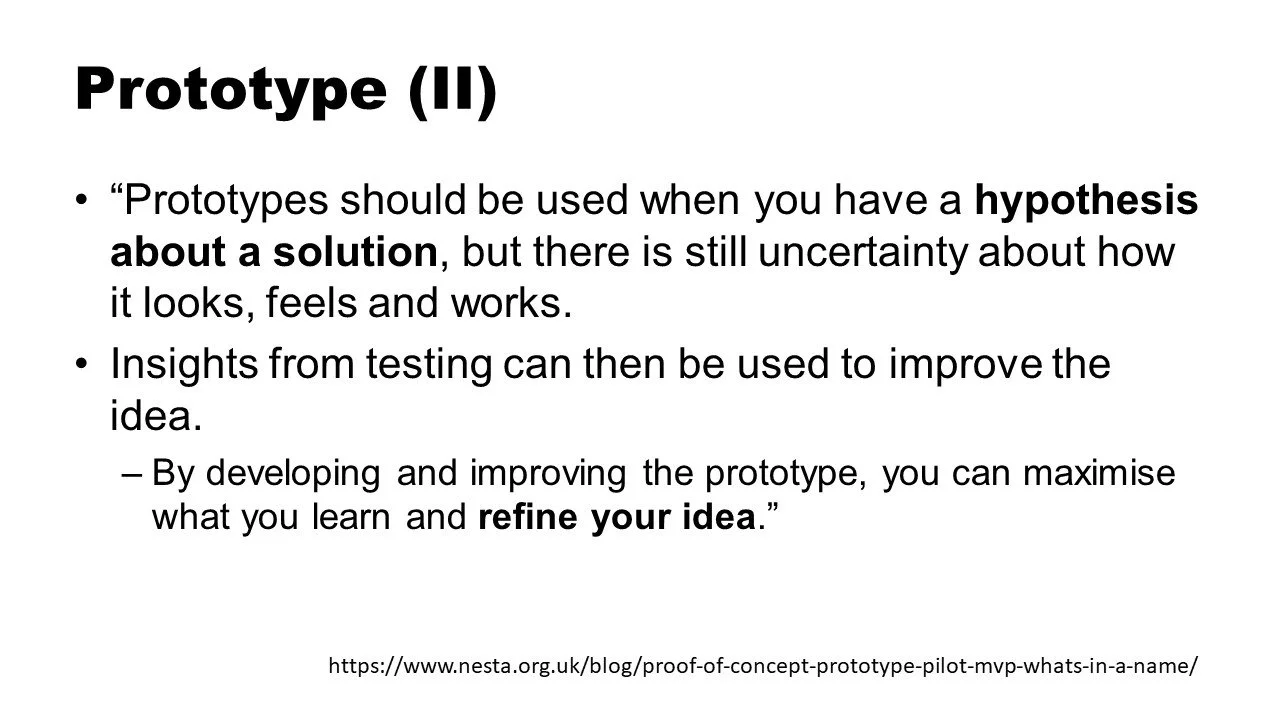
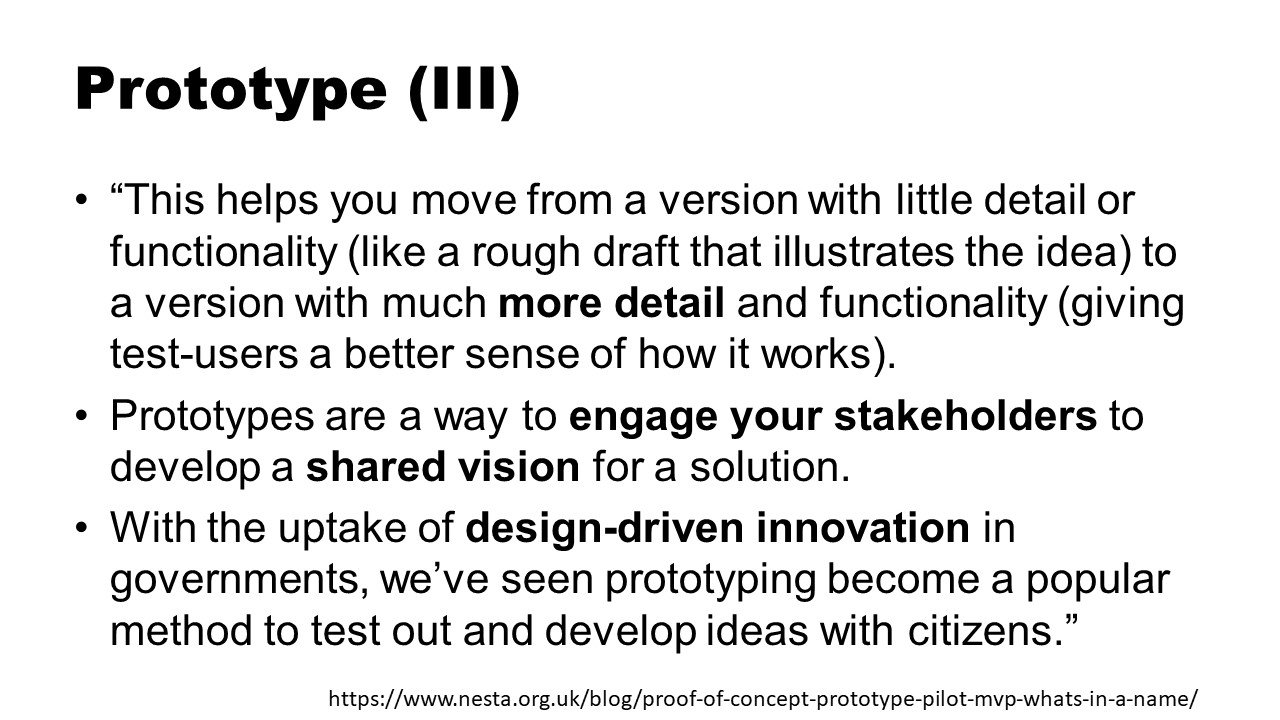
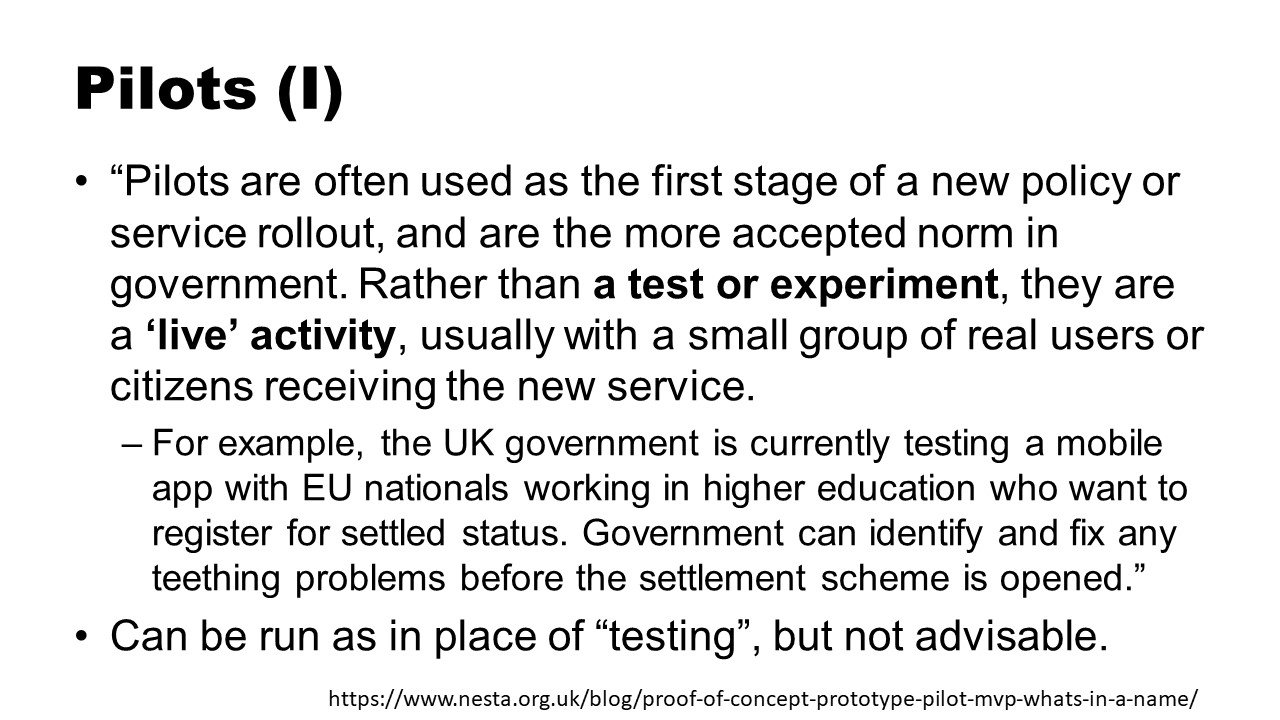
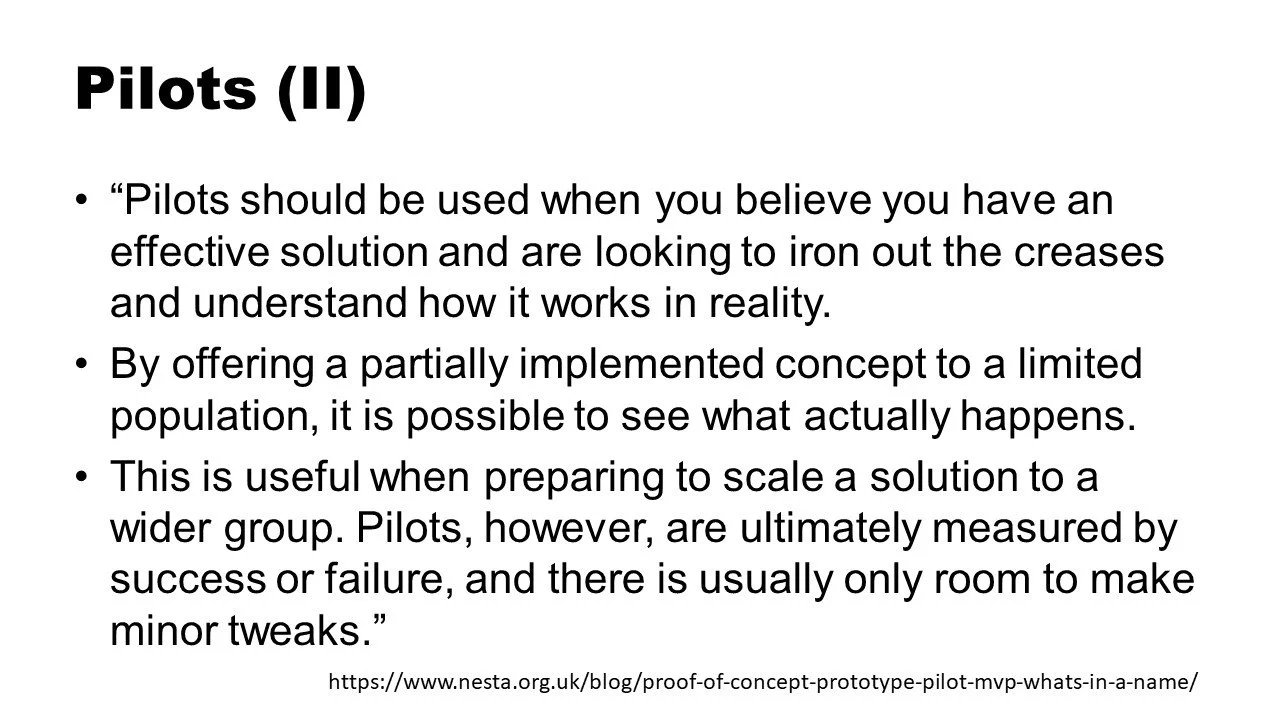
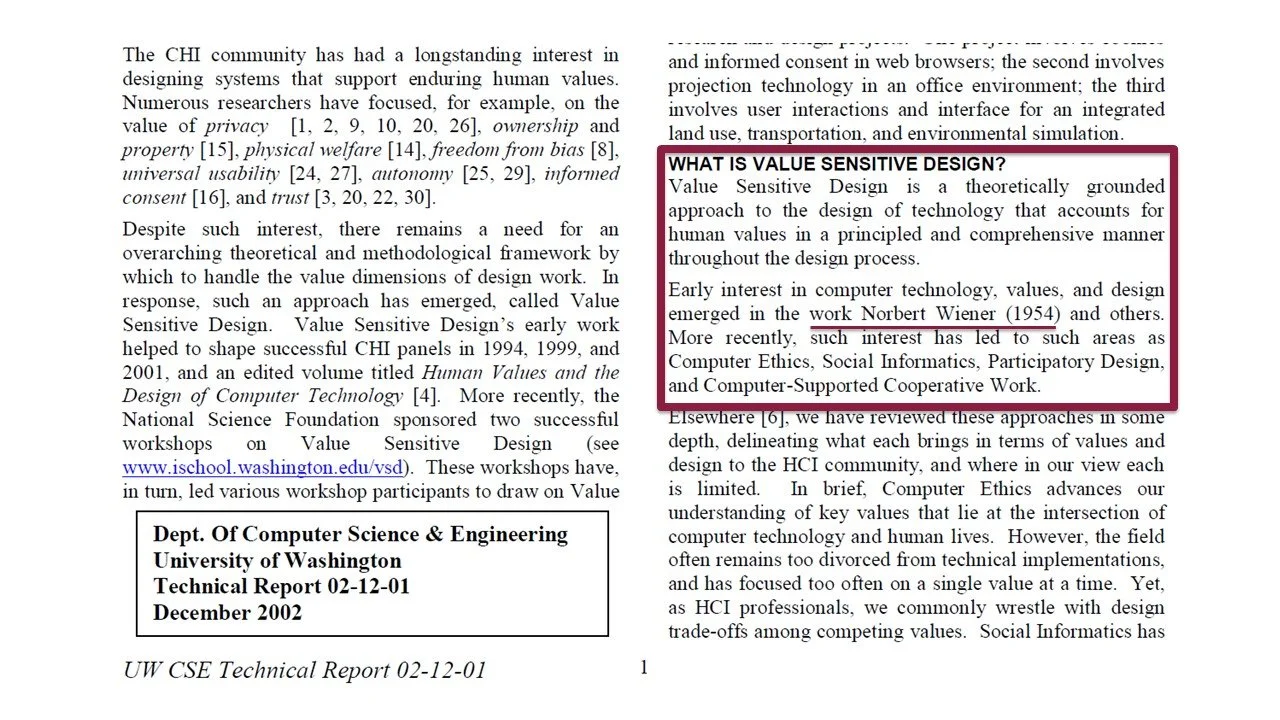
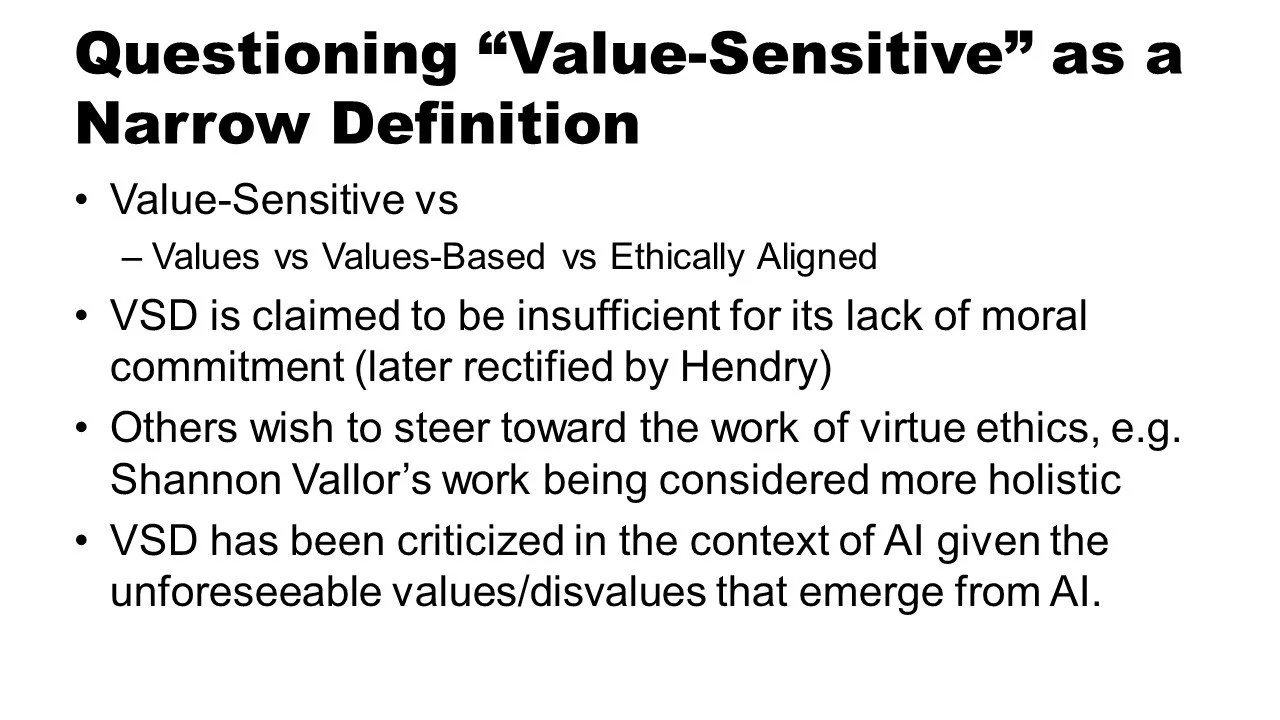
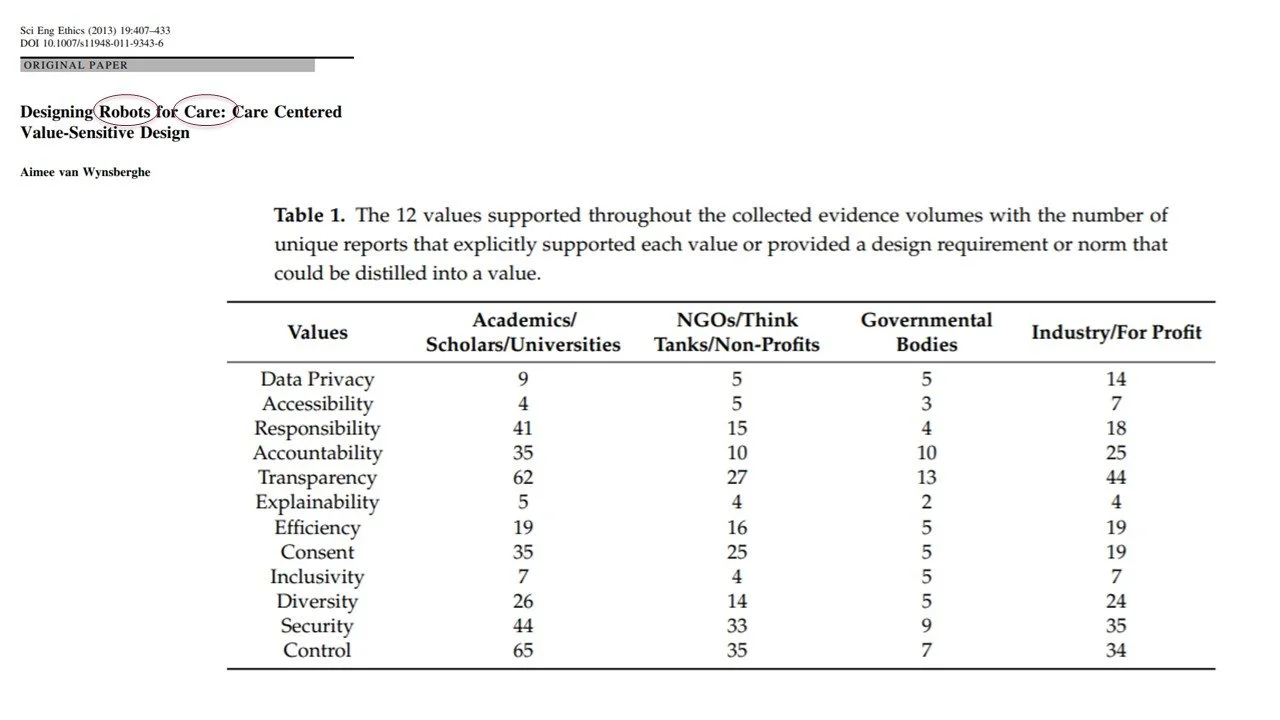
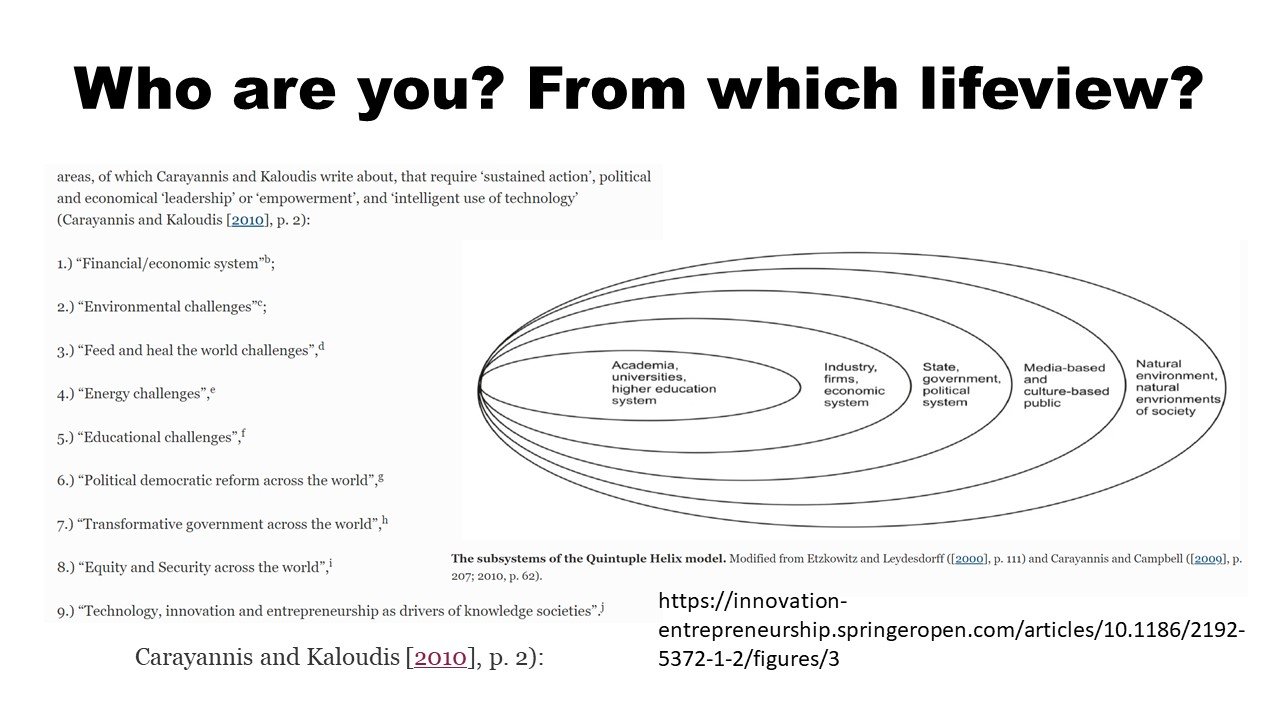
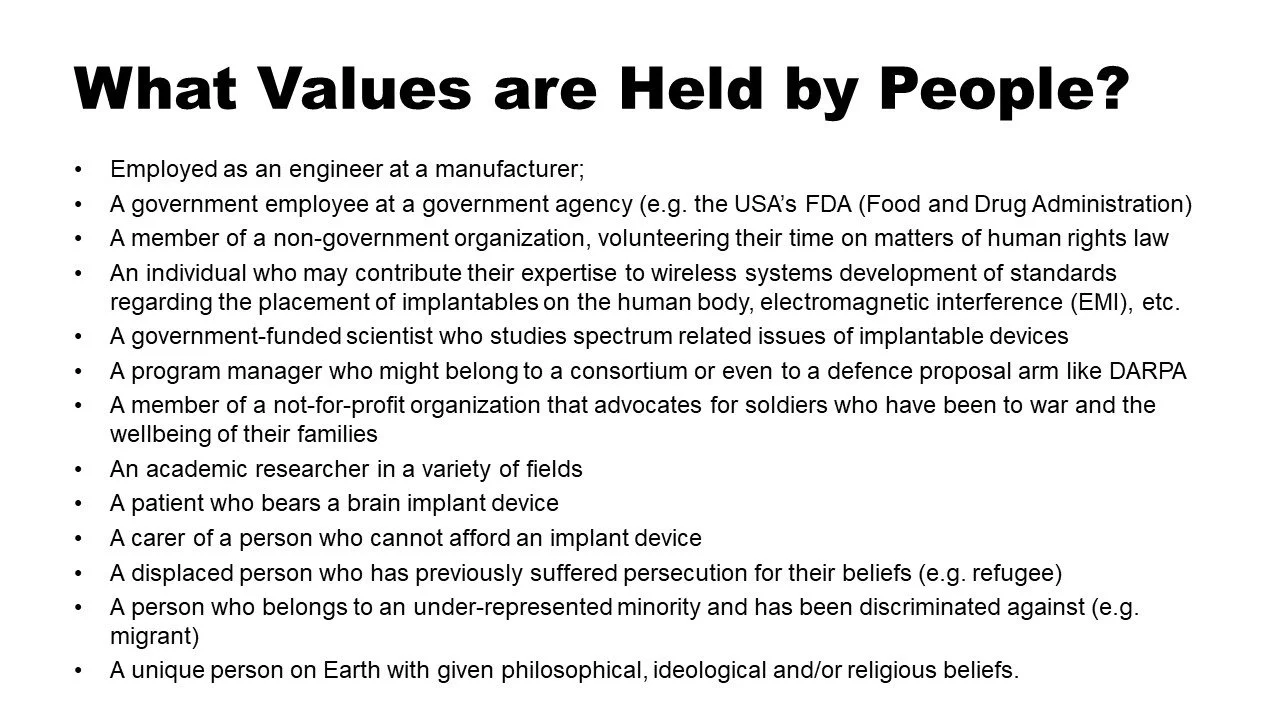
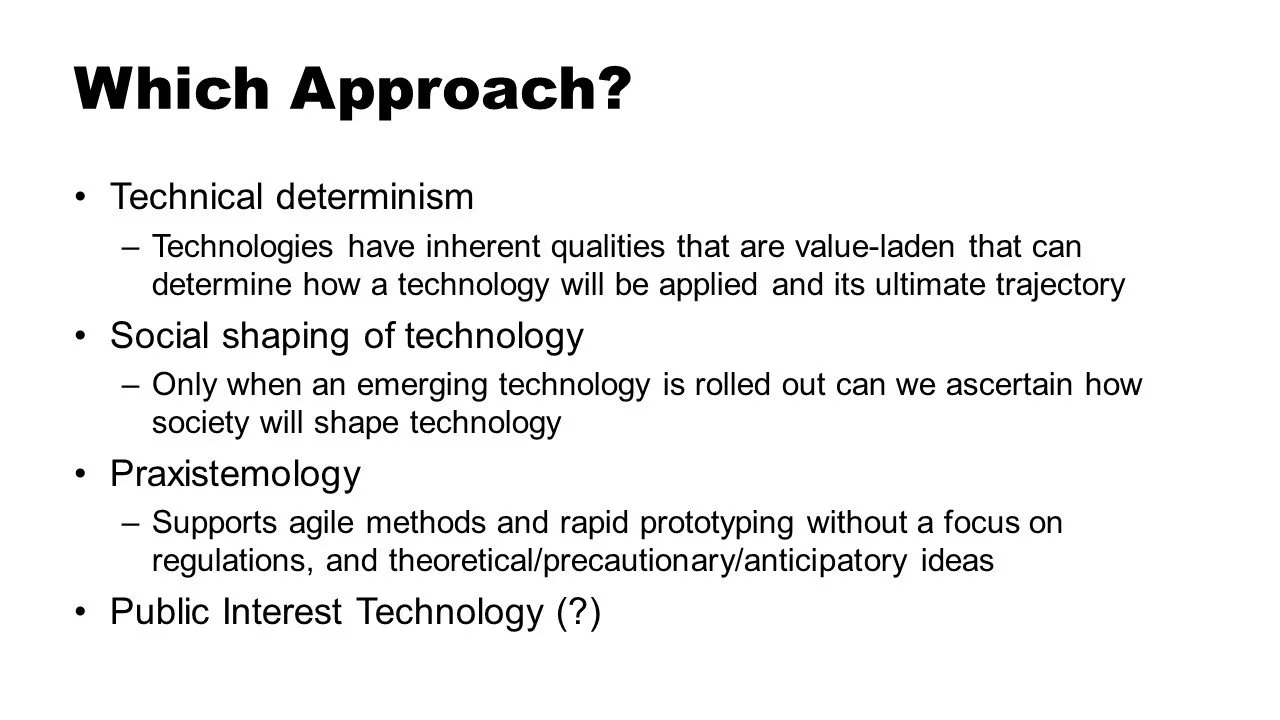
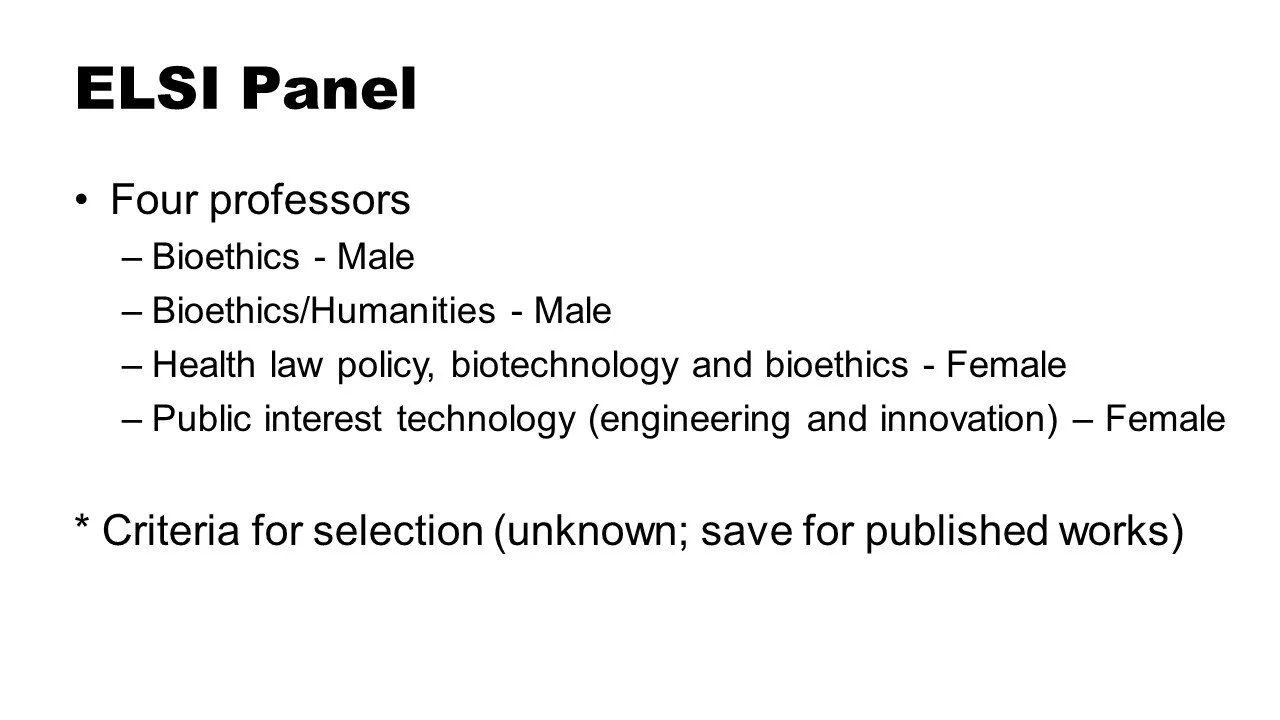
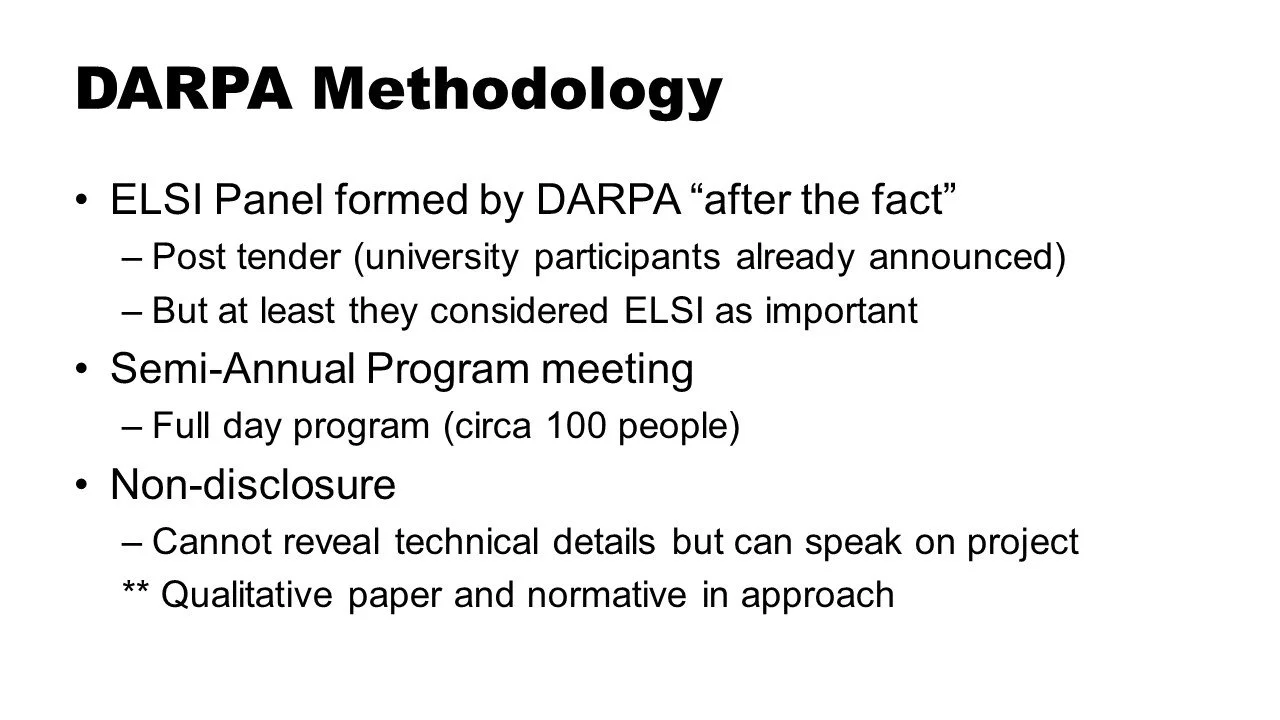
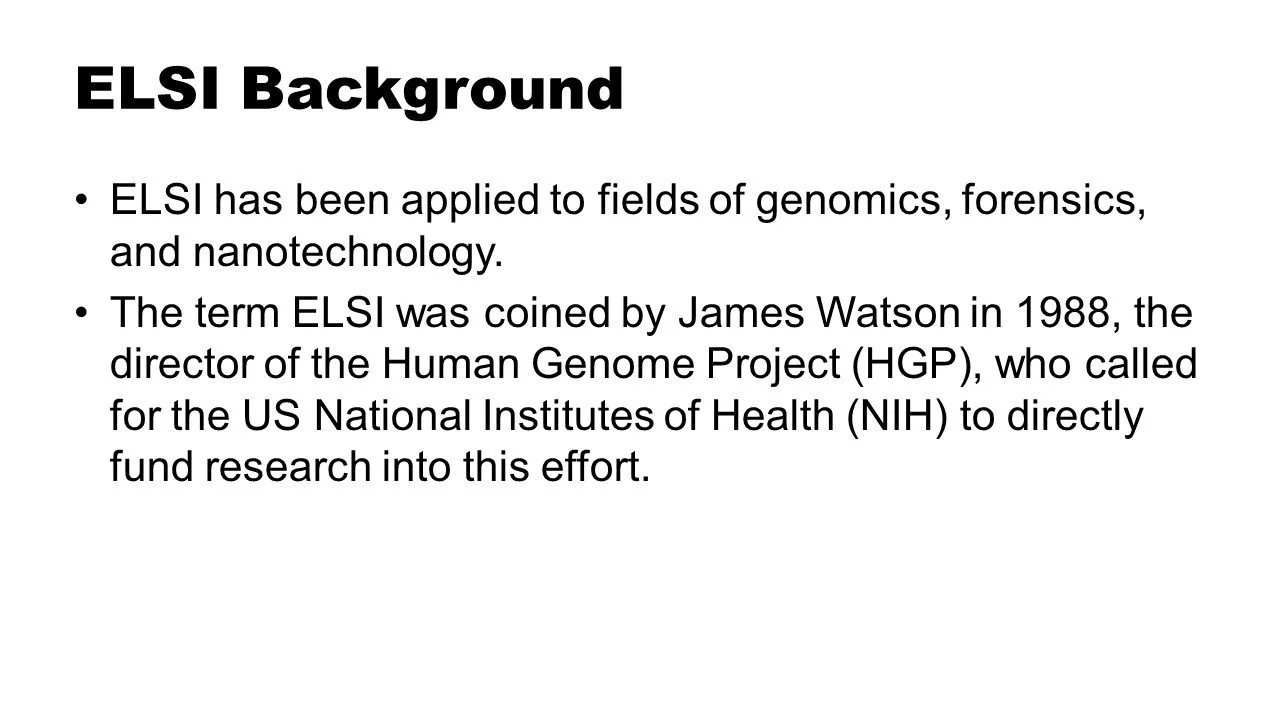
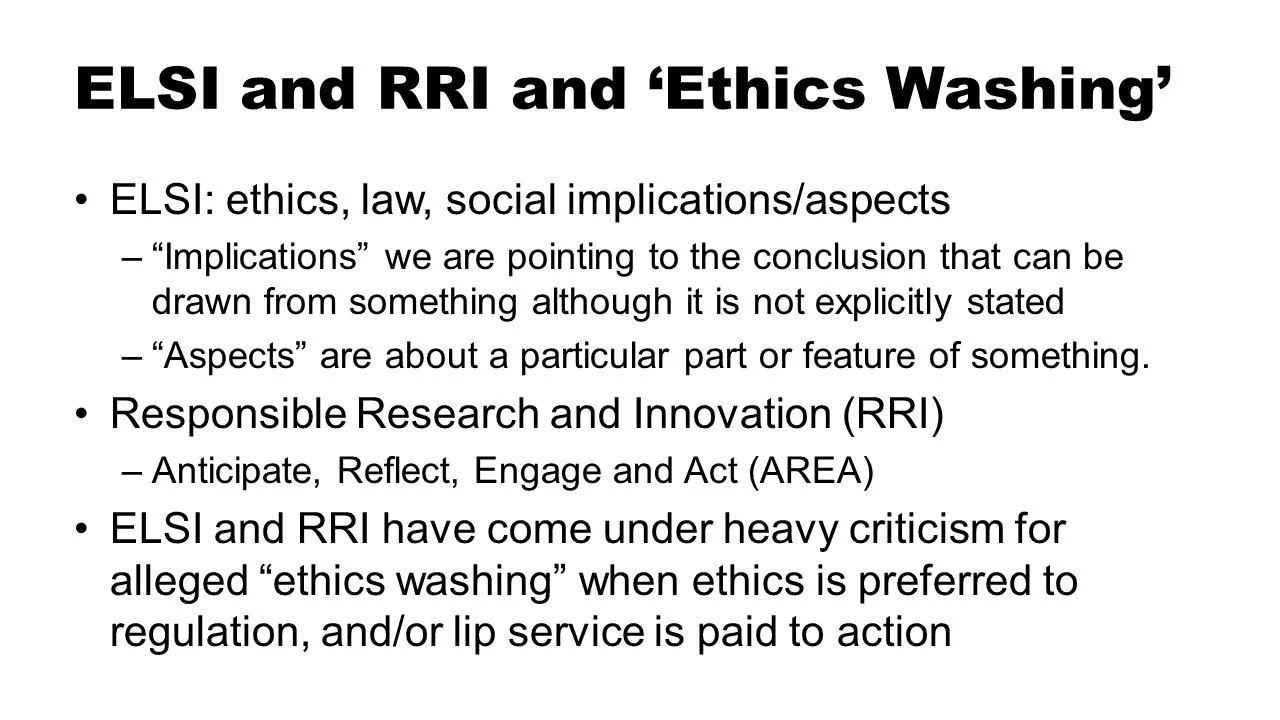
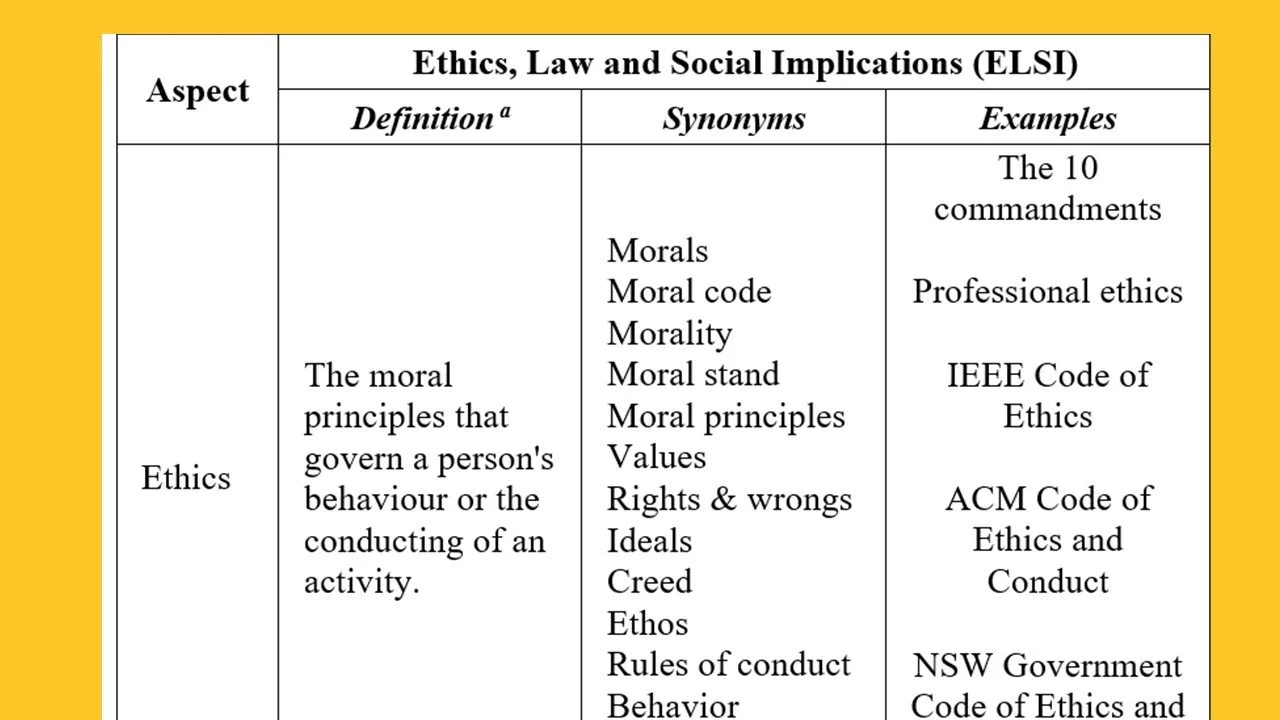
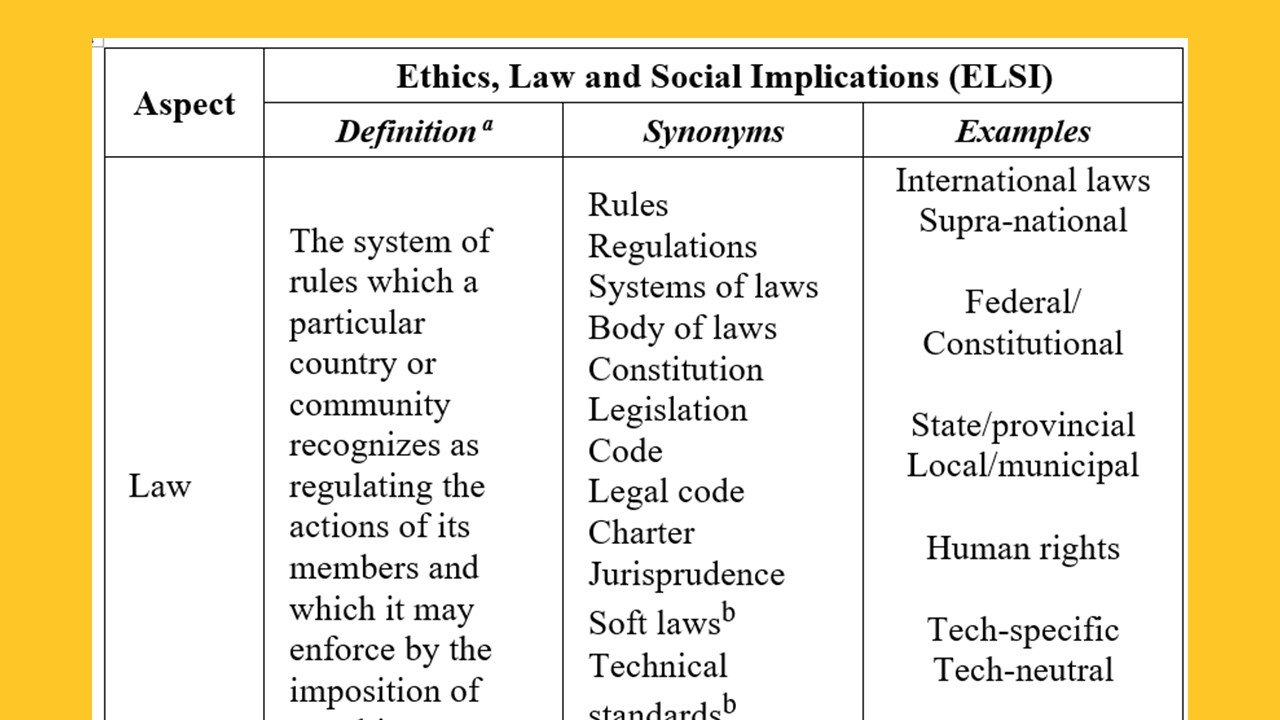
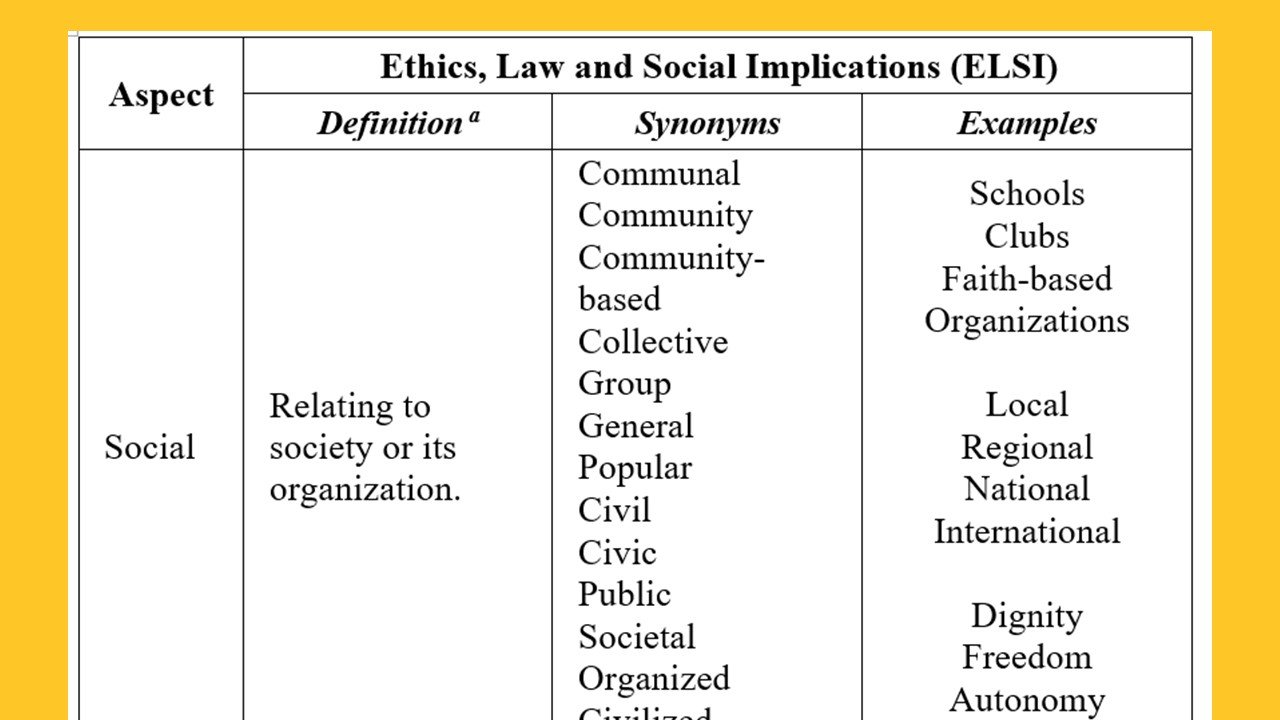
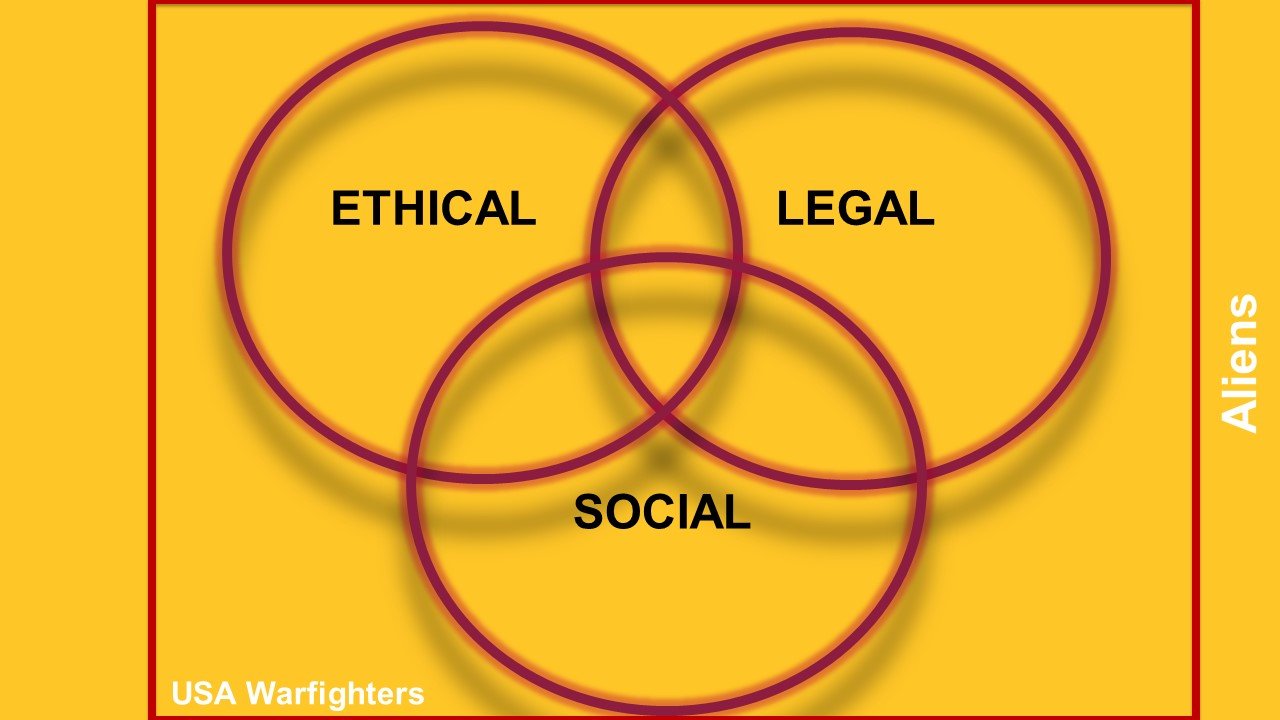
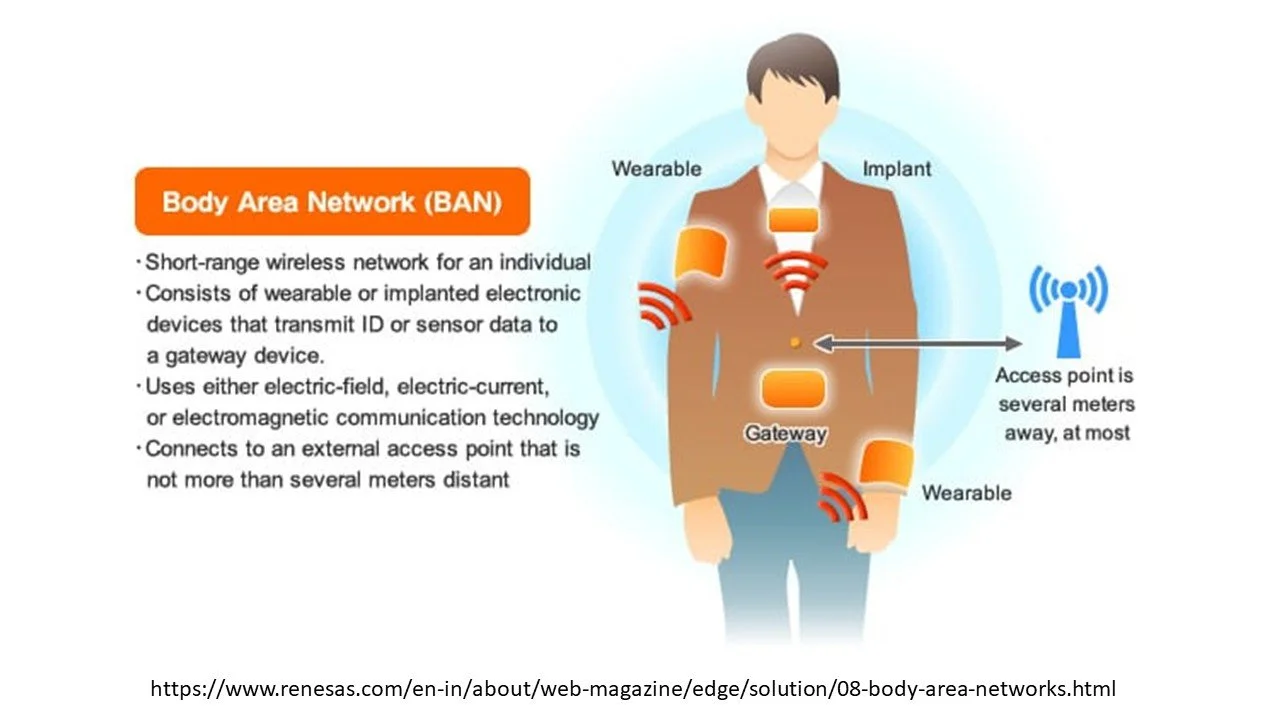
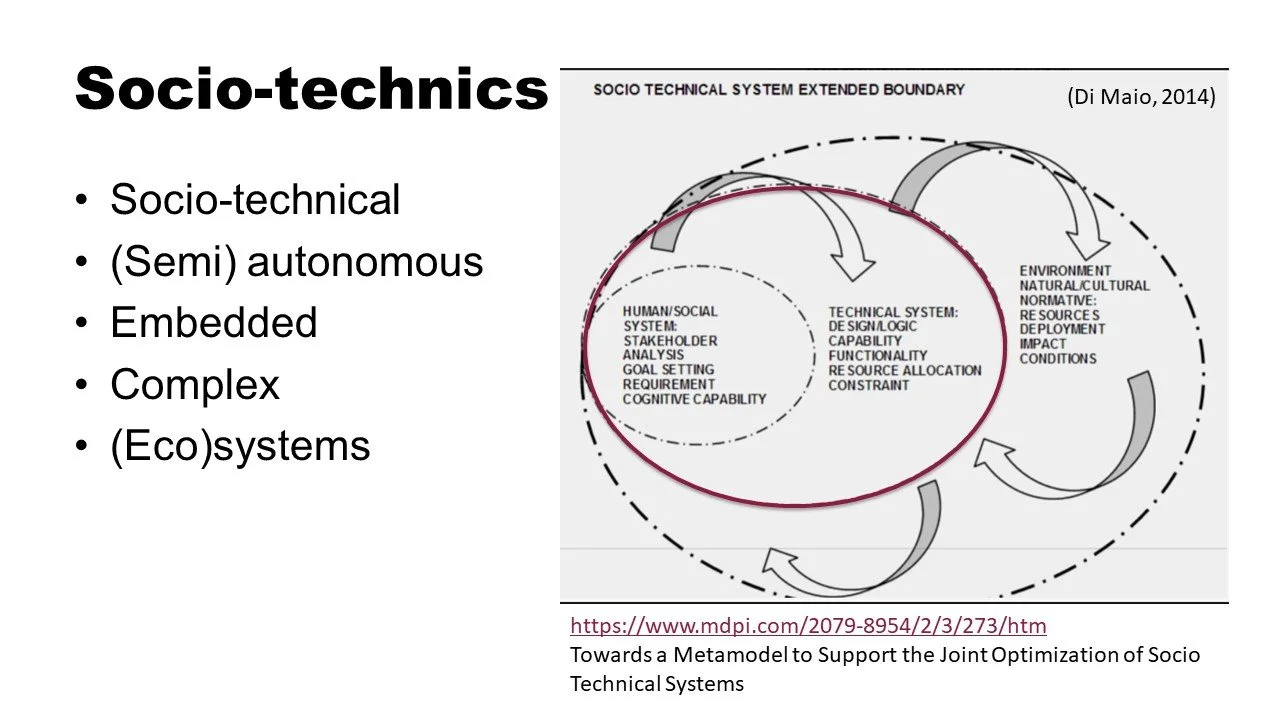
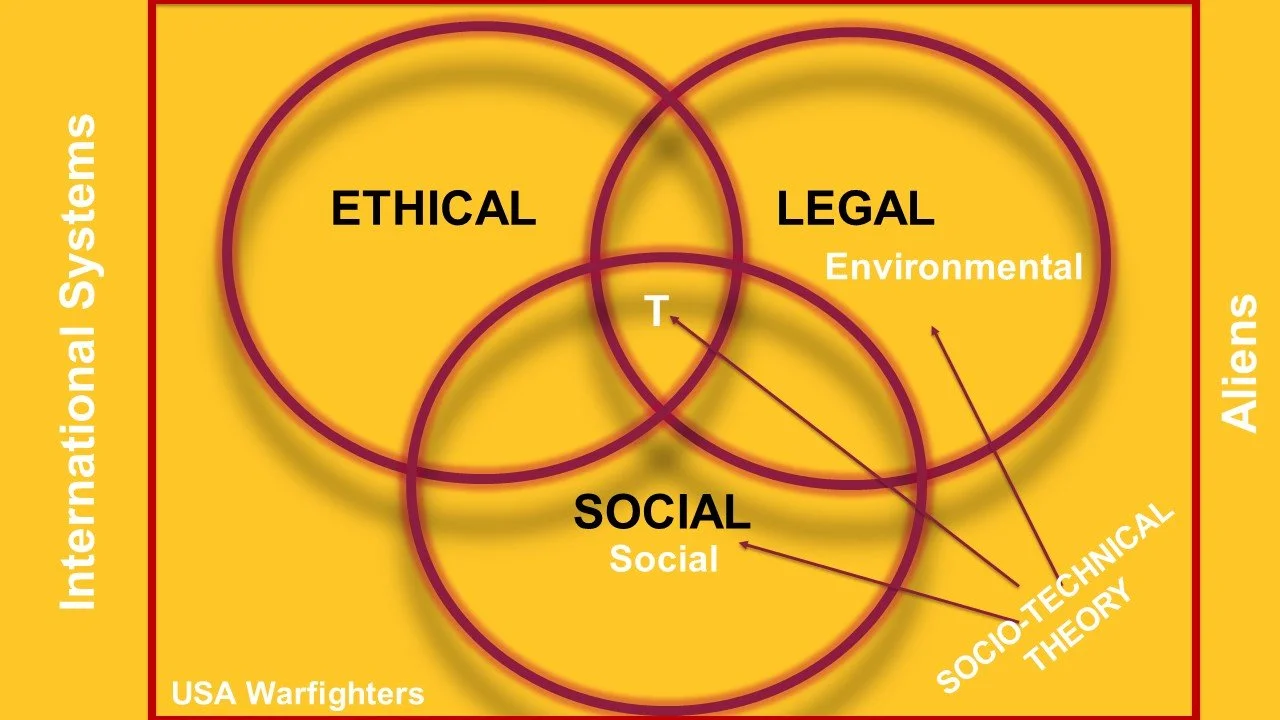
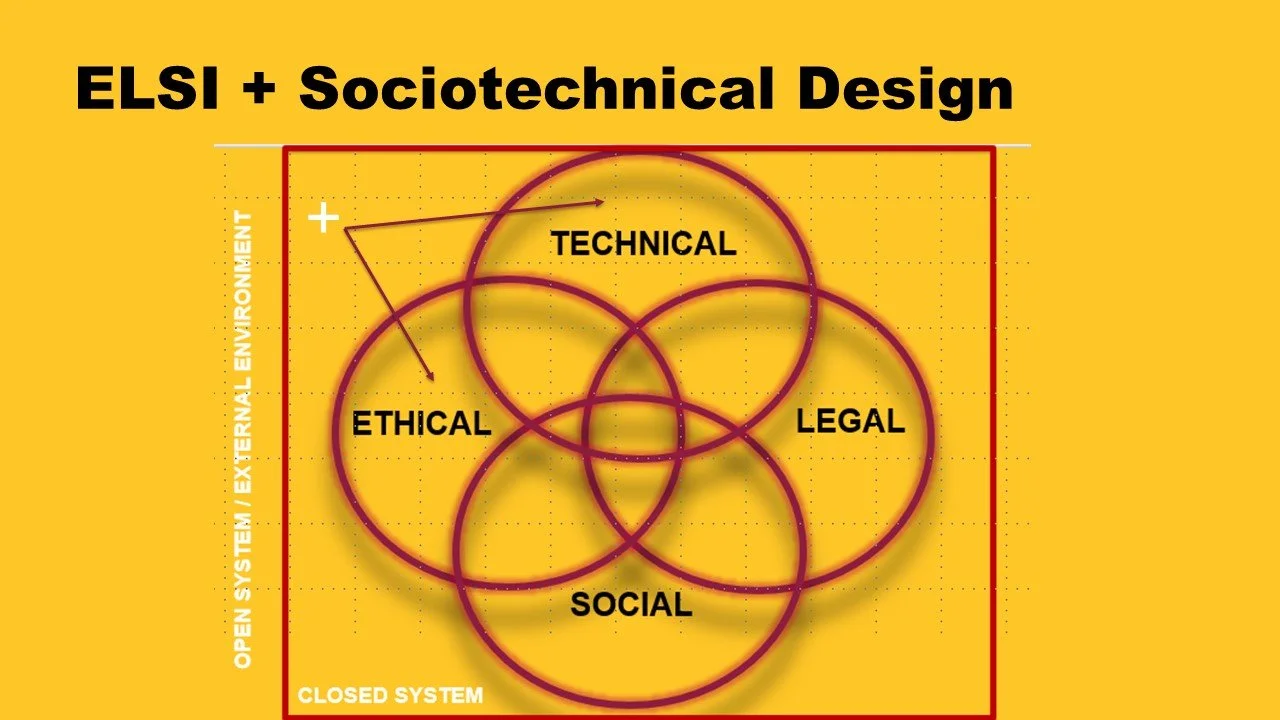
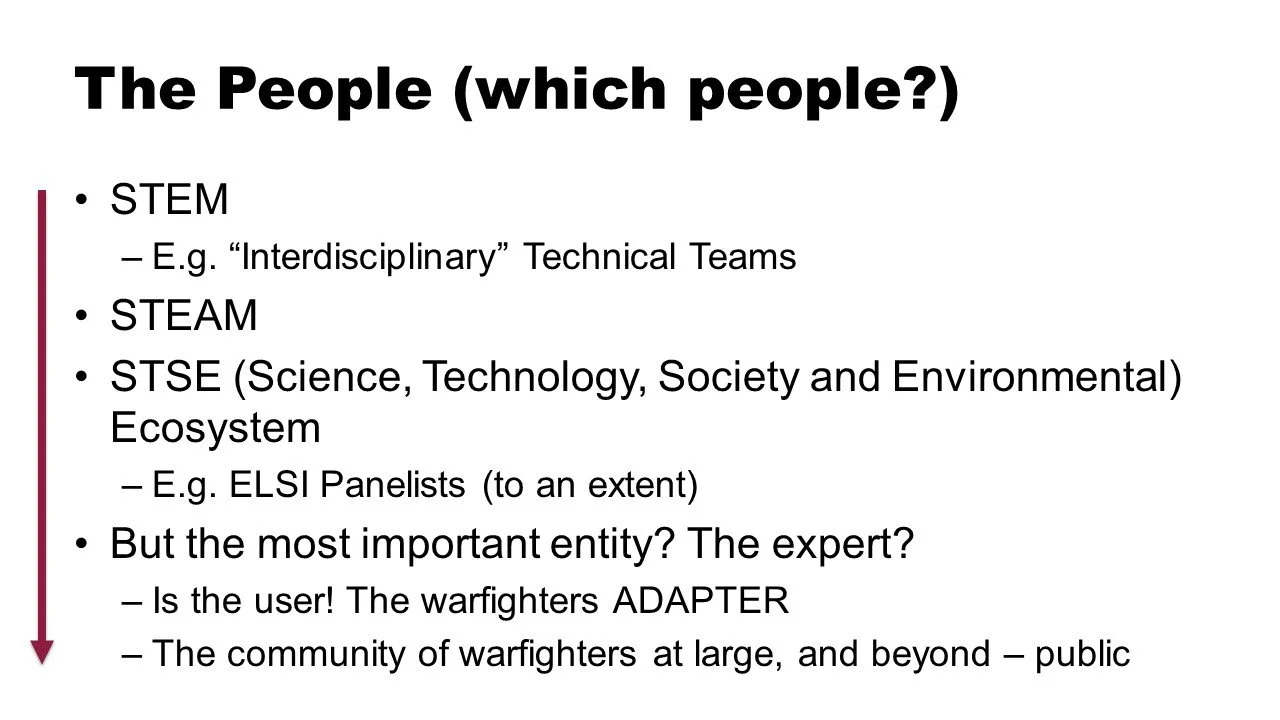
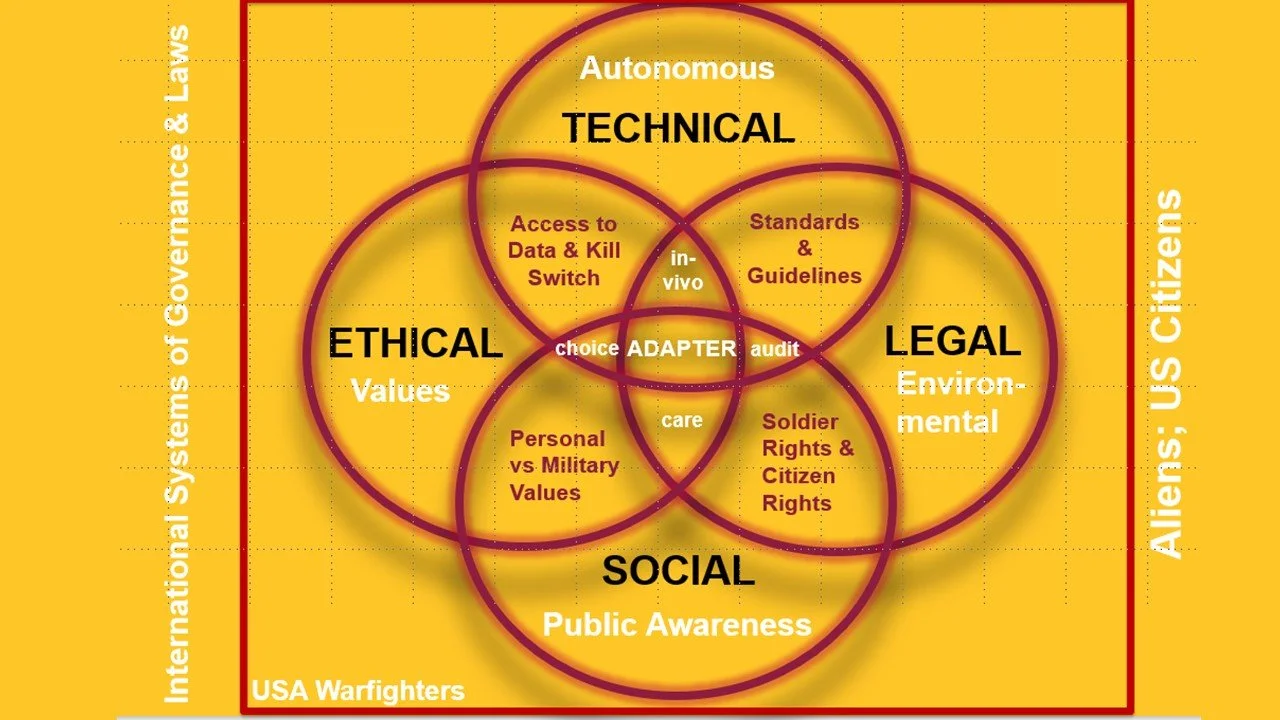
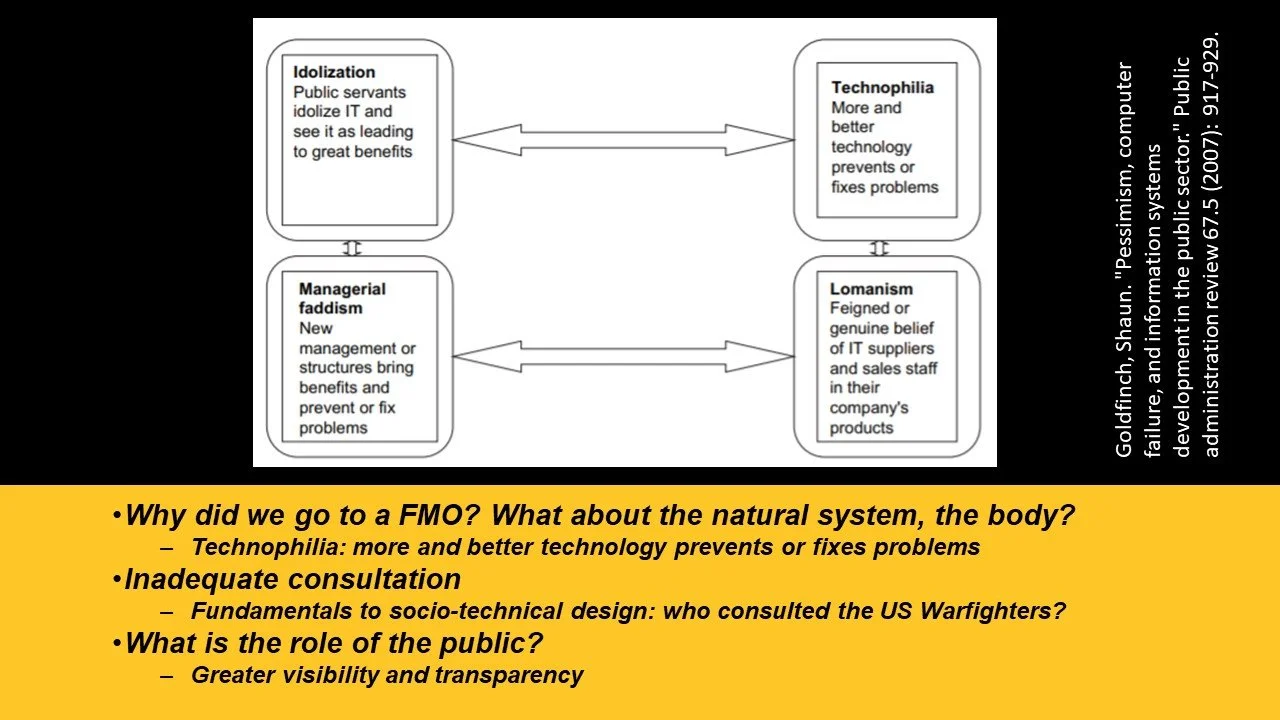
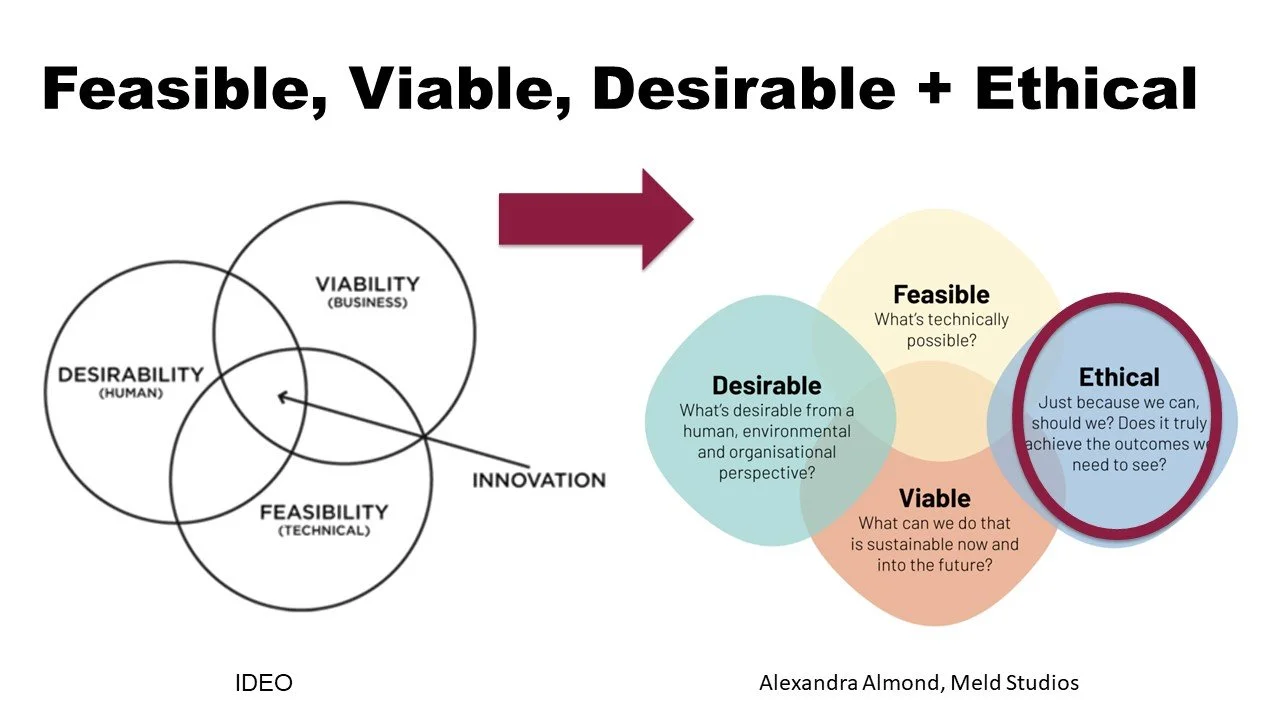
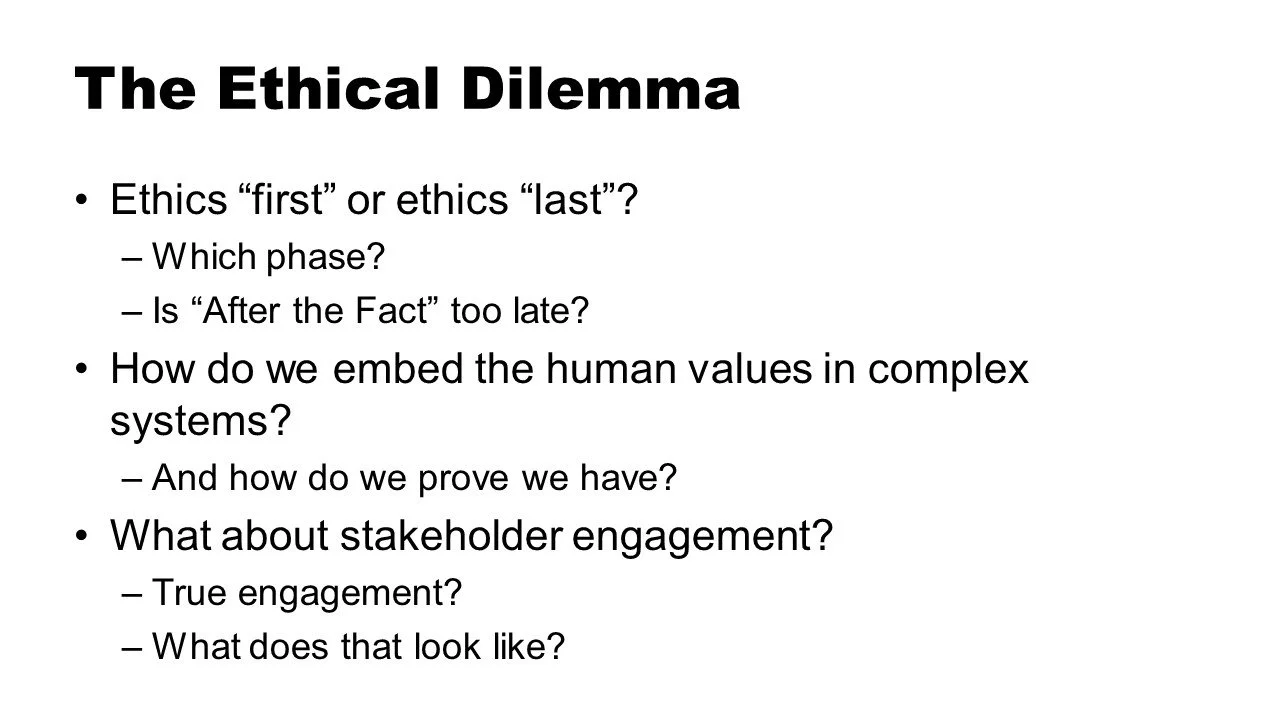
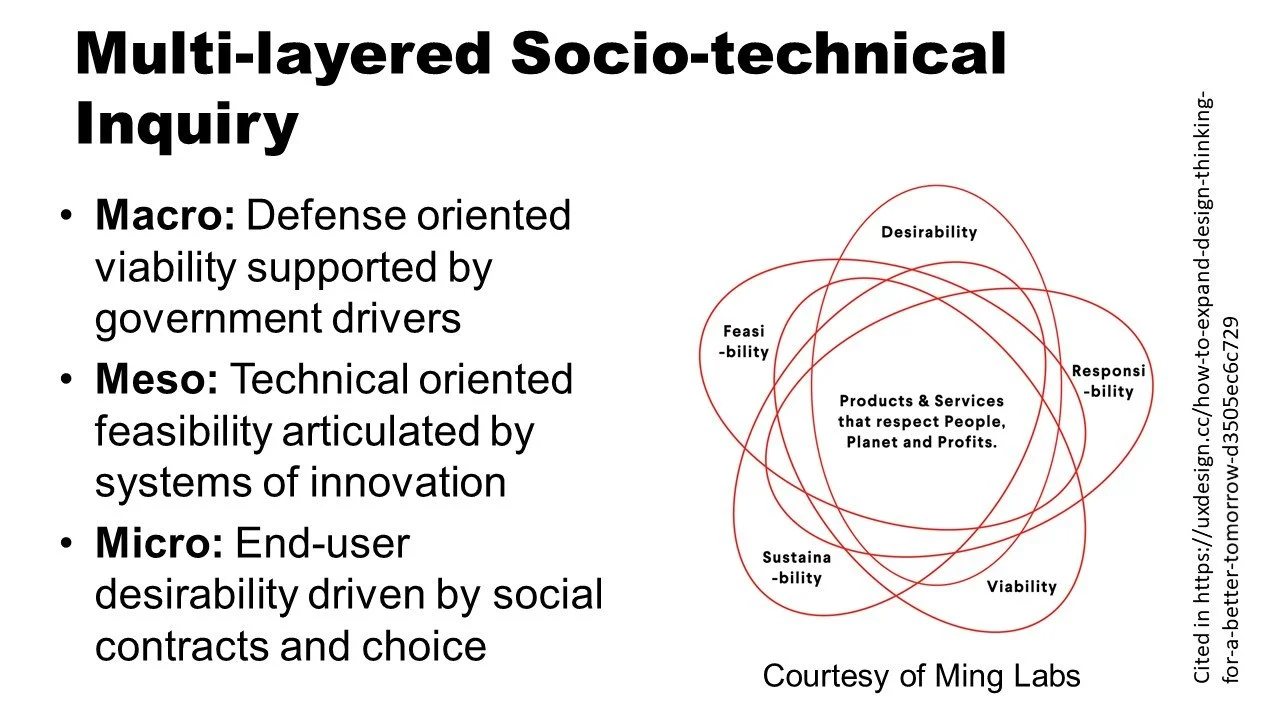
This presentation emphasizes the need for human values to be embedded in the design process of a novel technotherapeutic implantable system for US warfighters being developed by DARPA’s BTO called the “ADAPTER”. As an ELSI panelist my role is to raise awareness on the importance of ethical legal and social aspects and possible implications as they pertain to the development of the NTRAIN semi-autonomous complex system. When we consider responsible innovation the question often asked is how to actually prove that values or principles have indeed been embedded into the design process and executed with the appropriate safeguards. Here we take a look at three well-known stages of development- proof of concept, prototyping and testing as they align to DARPA’s three phases of technical activities, and ask the fundamental corresponding ELSI questions. The main contribution of the presentation is a multi-layered socio-technical inquiry from the macro (defense oriented viability supported by government drivers), to the meso (technical oriented feasibility articulated by systems of innovation), and the micro (end-user desirability driven by social contracts and choice) levels.








Biography:
Katina Michael BIT, MTransCrimPrev, PhD is a professor at Arizona State University, a Senior Global Futures Scientist in the Global Futures Laboratory and has a joint appointment in the School for the Future of Innovation in Society and School of Computing and Augmented Intelligence. She is the director of the Society Policy Engineering Collective (SPEC) and the Founding Editor-in-Chief of the IEEE Transactions on Technology and Society. Katina is a senior member of the IEEE and a Public Interest Technology advocate who studies the social implications of technology. She began her career in industry working in management information systems in 1994 at OTIS Elevator Company, followed by Andersen Consulting, and then as a pre-sales telecommunications engineer until 2002. She was employed as a Professor at the University of Wollongong from 2002 till 2018, and was the Associate Dean International for the Faculty of Engineering and Information Systems overseeing 8 twinning and partner programs throughout Asia and the Middle East. Katina has consulted to various government agencies in both a paid and unpaid capacity, and holds several positions on boards, including the Council on RFID, IEEE SSIT, the Australian Privacy Foundation and has served as a member of the Consumer Federation of Australia contributing to the development of five biometric standards. Katina has been a visiting professor at Nanjing University in China and the University of Southampton in the UK. She has been funded by the National Science Foundation and the Australian Research Council for research into citizen-centered smart city design, adaptive AI training systems, and location-based services. She has held 14 annual workshops in the social implications of national security space and chaired 3 international symposia on technology and society (ISTAS) in Wollongong, Toronto and Phoenix. She is the Senior Editor of the socio-economic impact section in IEEE Consumer Electronics Magazine and was the editor in chief of the award-winning IEEE Technology and Society Magazine. In 2019 she took on the role of working group chair for the IEEE P2089 standard. In 2020 she received the ICTO Golden Medal for lifetime achievement award for exceptional contributions to research in information systems, and the IEEE Phoenix section’s Outstanding Member Contributing to Global Humanitarian Projects Award for her contributions to a better understanding of the impact of emerging technologies on humanity. In 2017, she also received the Brian M. O'Connell Society on the Social Implications of Technology (SSIT) Distinguished Service Award. www.katinamichael.com
Citations: https://www.sigmaxi.org/meetings-events/annual-meeting-and-student-research-conference
On behalf of Sigma Xi’s Annual Meeting and Student Research Conference Program Committee, it is my pleasure to invite you to be a keynote speaker at the Society’s annual conference, taking place November 4-7, 2021 at The Conference & Event Center, Niagara Falls, New York (in-person and virtual). We believe the conference theme provides a unique opportunity to celebrate and highlight your distinguished career at the intersection of ethics, artificial intelligence, and cyber security. Speakers are invited to join in-person or remotely.
The conference theme is Roots to Fruits: Responsible Research for a Flourishing Humanity–How scientific virtues serve society. The program will feature topics that highlight how responsible research and innovation contribute to the betterment of humanity, including the responsibilities associated with scientific expertise, ethical considerations in STEM education, and the broader societal impact of scientific discoveries. Your session will be featured in the Responsible Technology Innovation Conference Track. This track examines the integration of values into the design process and ethical challenges associated with emerging technologies such as artificial intelligence, robotics, data mining, and facial recognition.
The Sigma Xi Annual Conference is attended by prominent scientists and engineers who represent most areas of science and technology as well as accomplished STEM students from around the world, which provides an unparalleled forum for fostering scientific integrity in future generations of researchers. If you accept this invitation, we would like to confirm your preferred engagement dates, virtually or in-person, for either November 5th or November 6th, 2021.
Sigma Xi, The Scientific Research Honor Society, founded in 1886, is the world’s largest multidisciplinary honor society for scientists and engineers. Its mission is to enhance the health of the research enterprise, foster integrity in science and engineering, and promote the public understanding of science for the purpose of improving the human condition. Over 500 Sigma Xi chapters can be found at colleges, universities, government laboratories, and industry research centers worldwide. Among our 100,000 inductees, more than 200 are Nobel Prize winners. The Annual Meeting and Student Research Conference is the Society’s premier international event that attracts professionals and students across disciplines, sectors, and career stages.
Contact:
Eman Ghanem, PhD; Director of Programs'; Sigma Xi, The Scientific Research Honor Society