The Role of AI in Higher Education
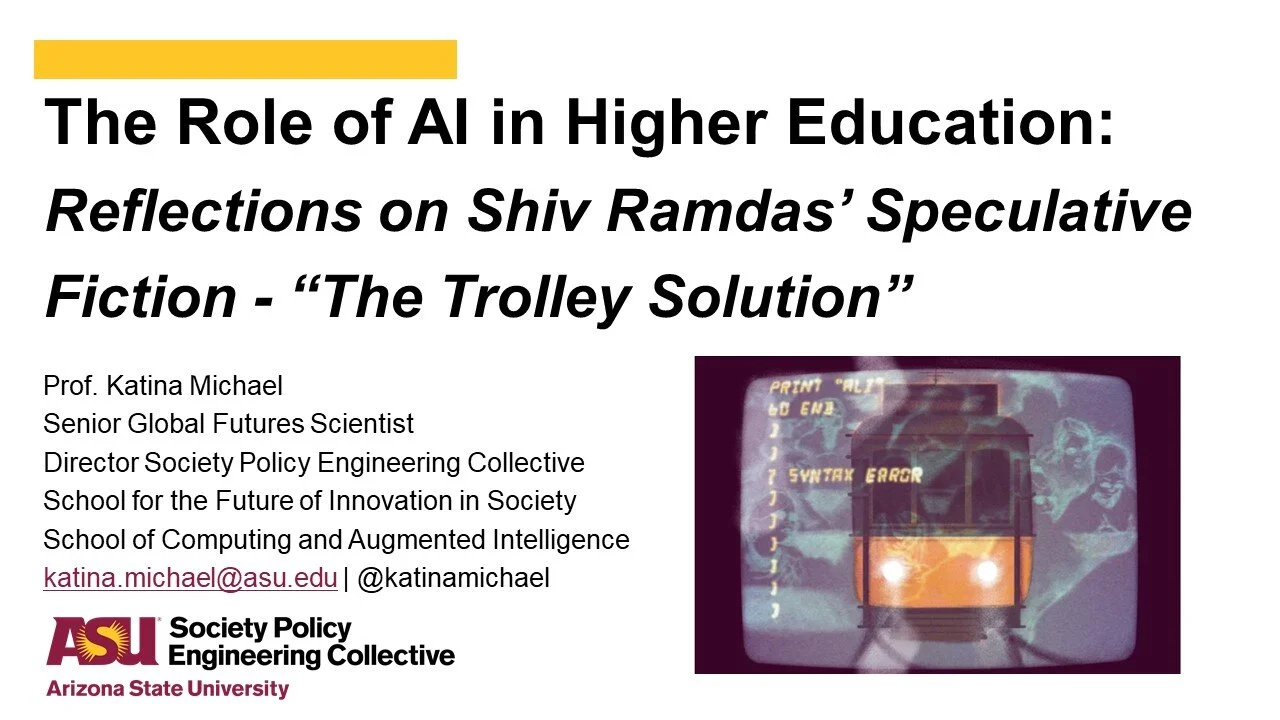
The Role of AI in Higher Education: Reflections on Shiv Ramdas’ Speculative Fiction - “The Trolley Solution”
Abstract
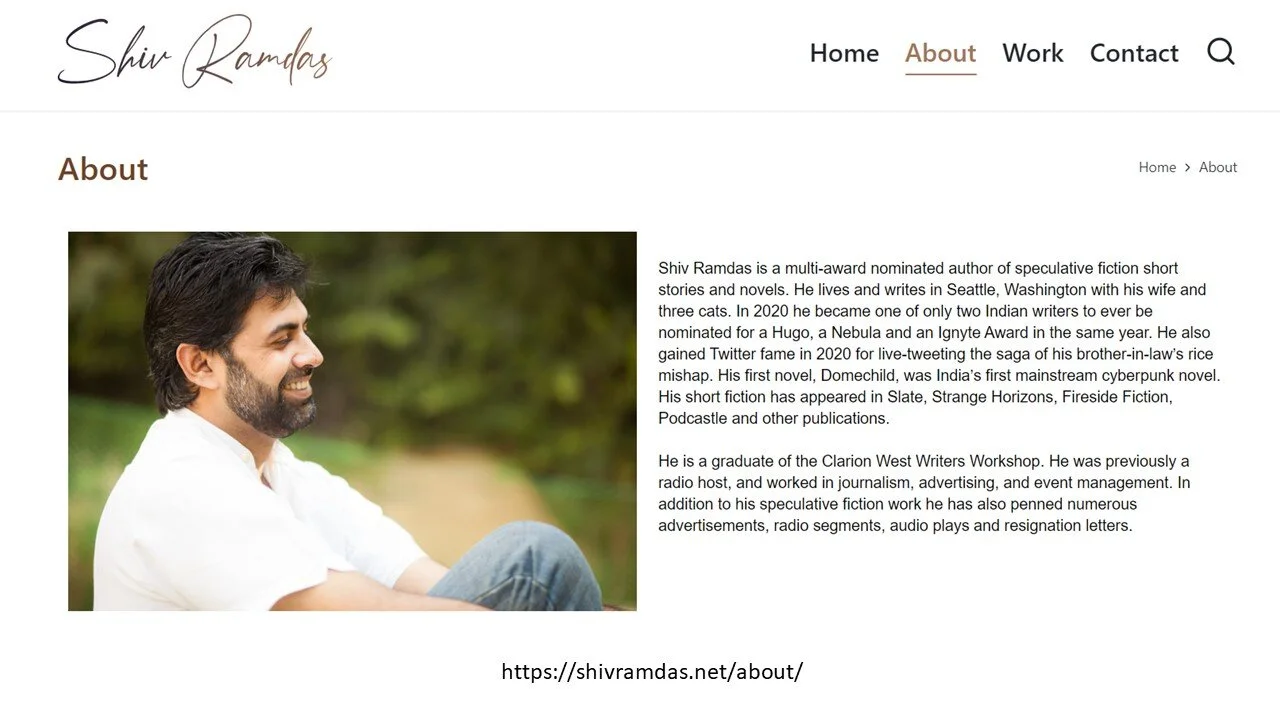
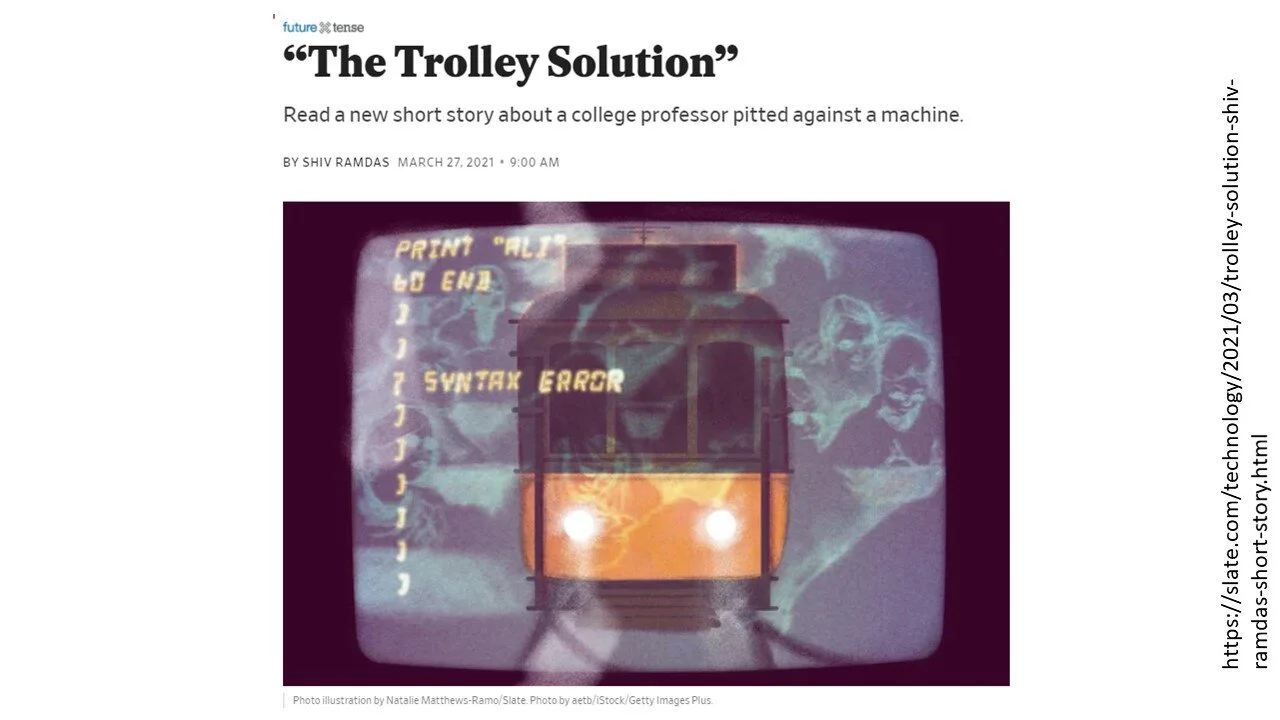
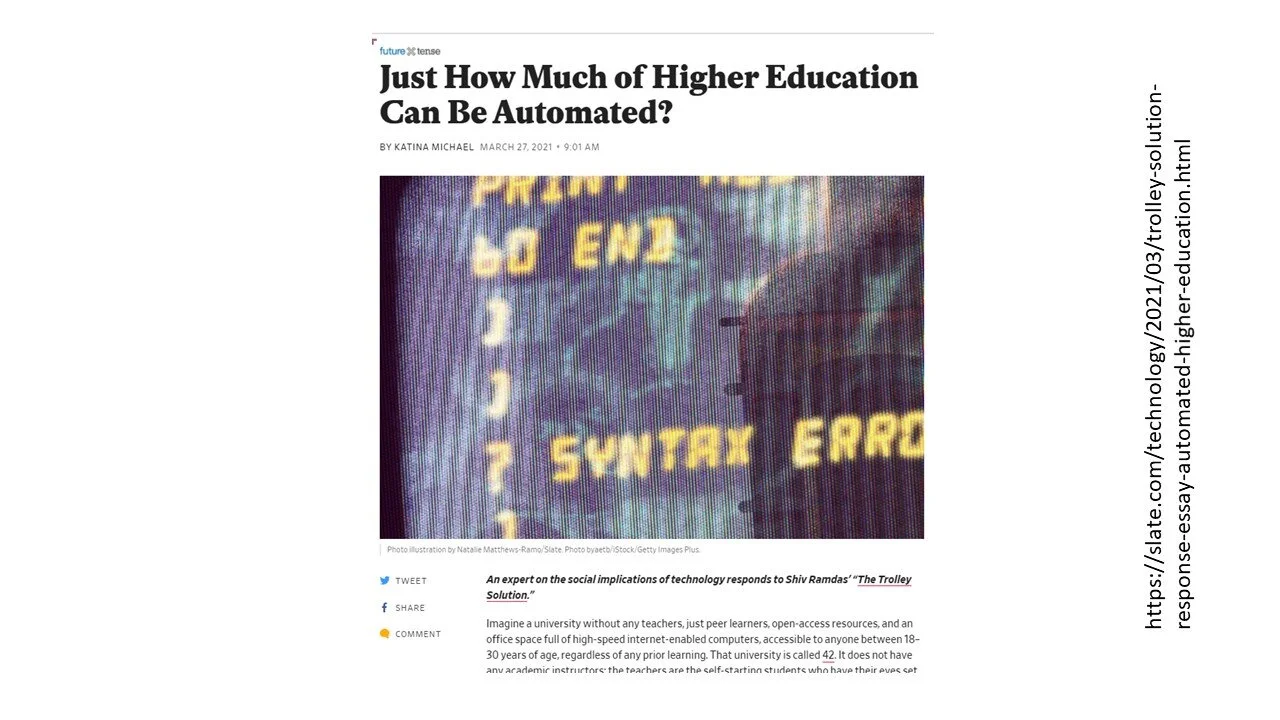
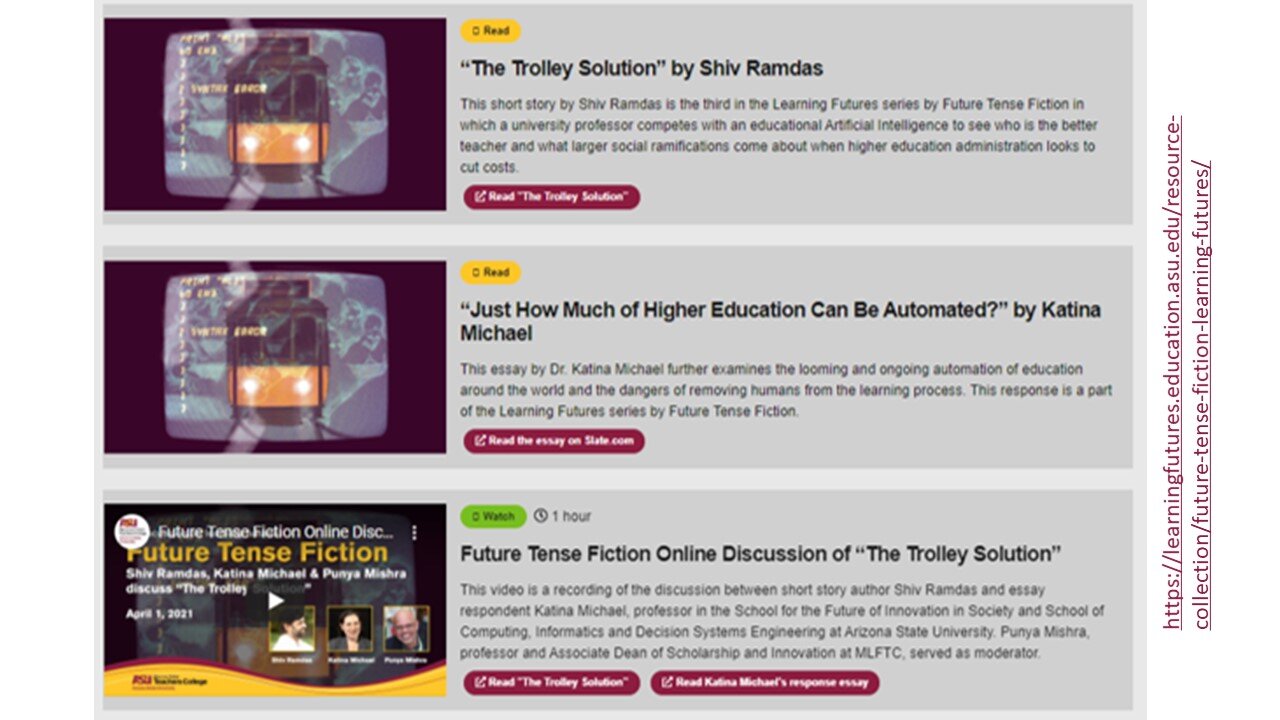
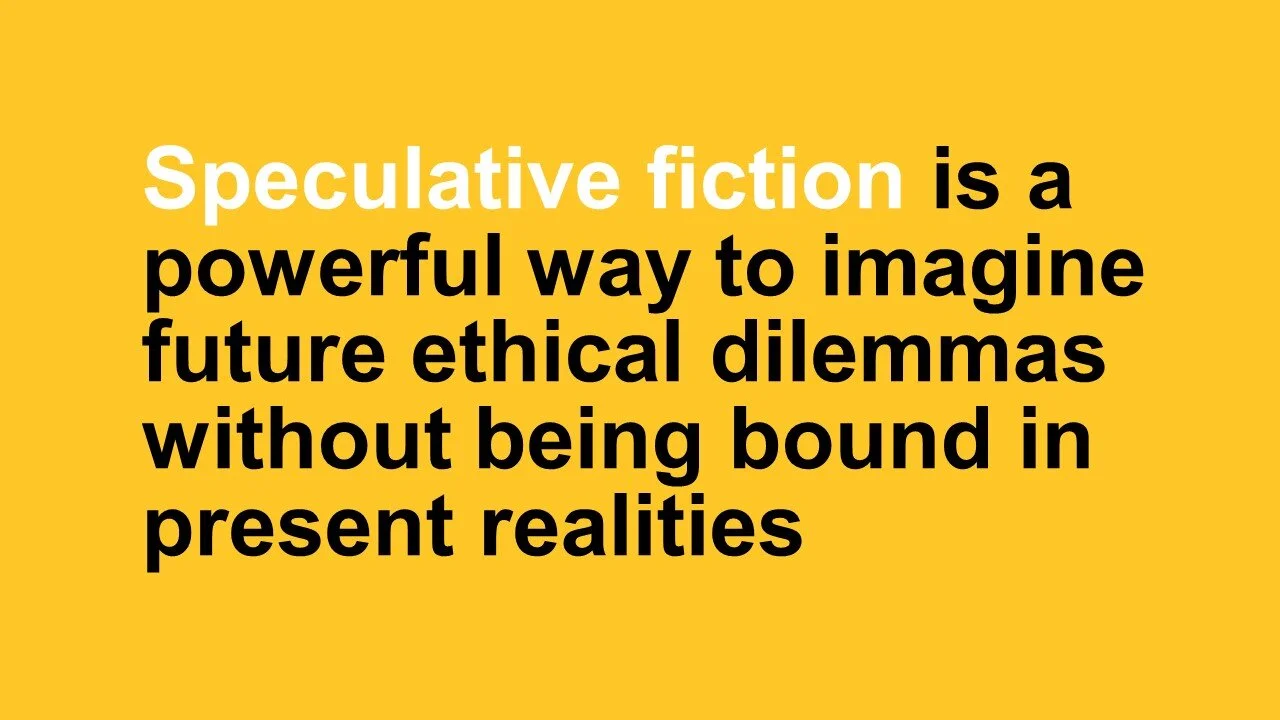
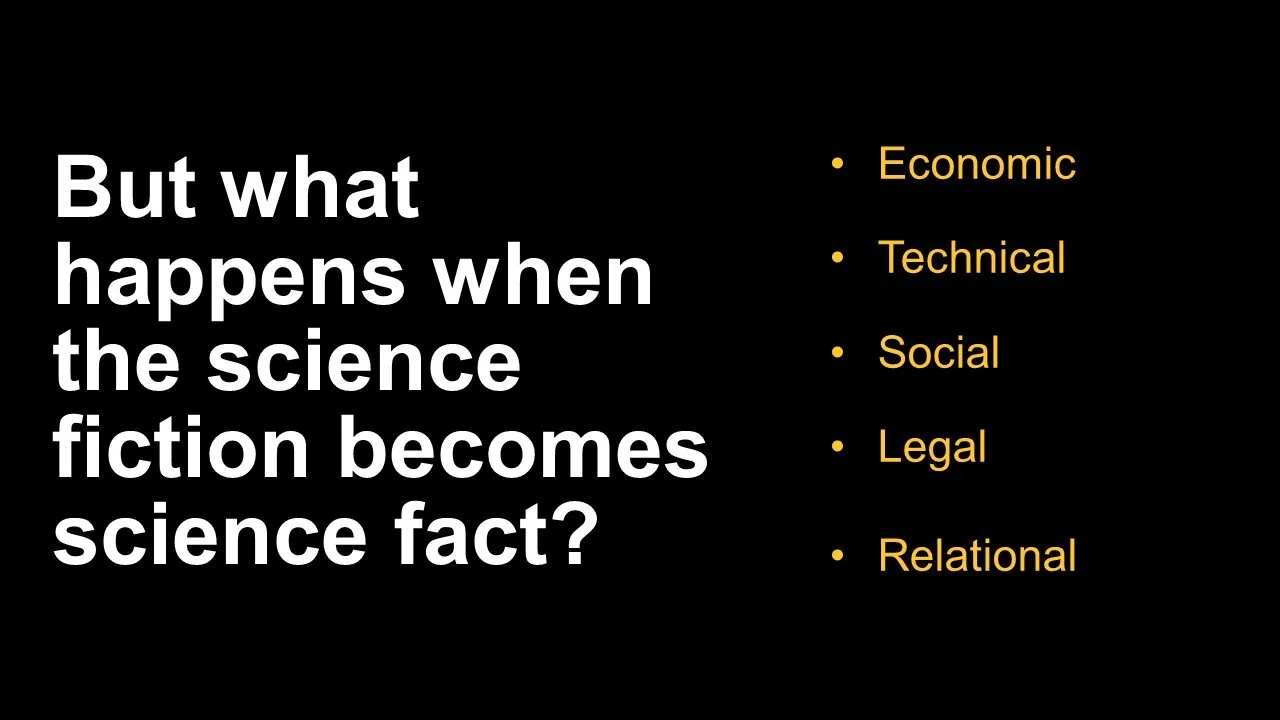
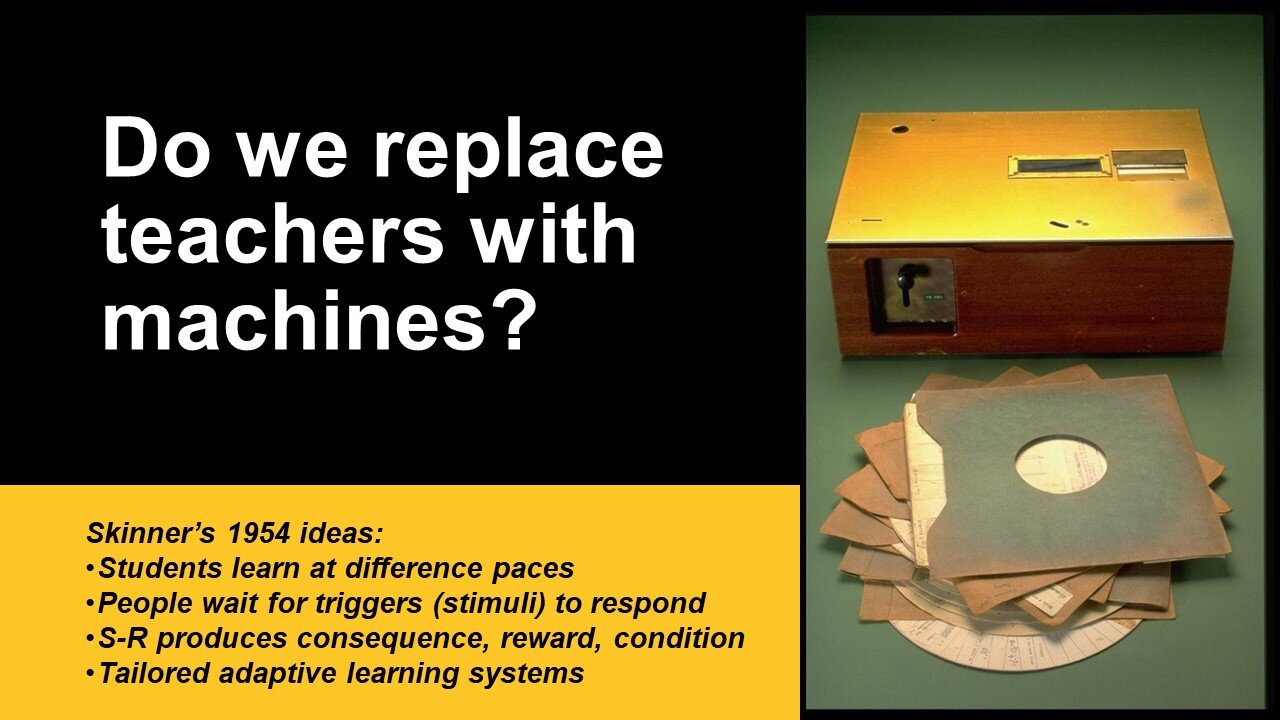
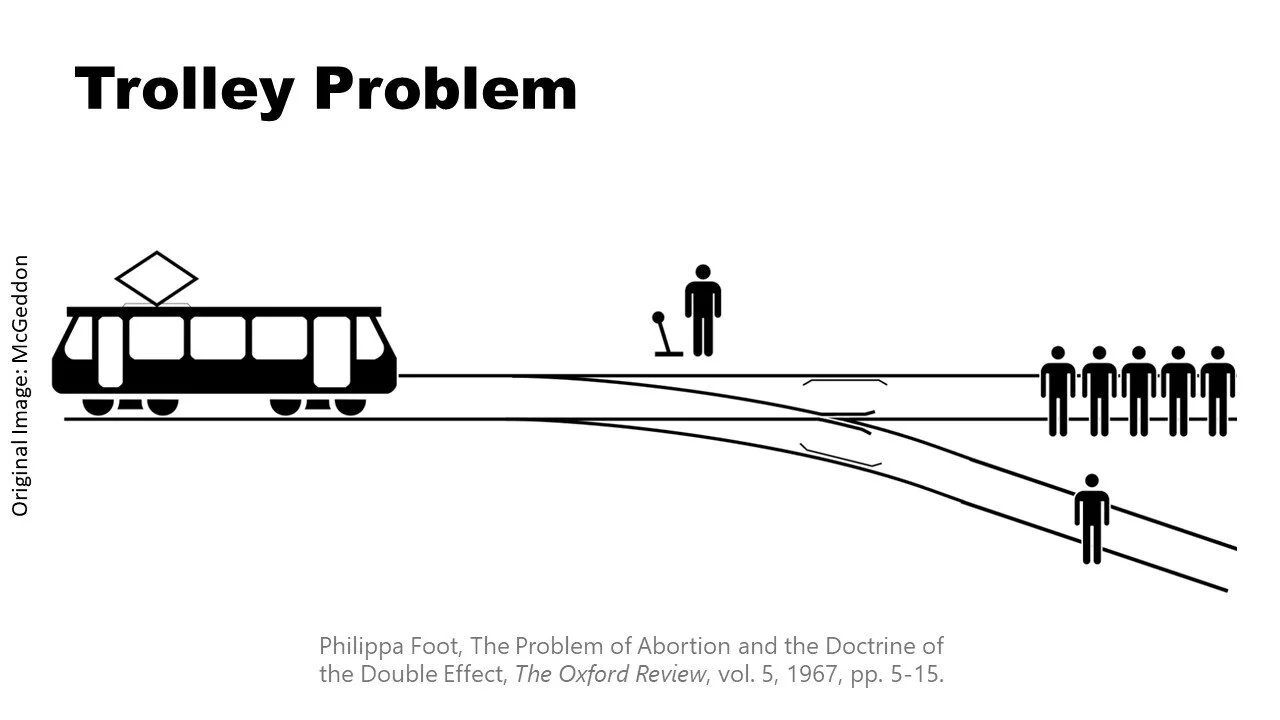
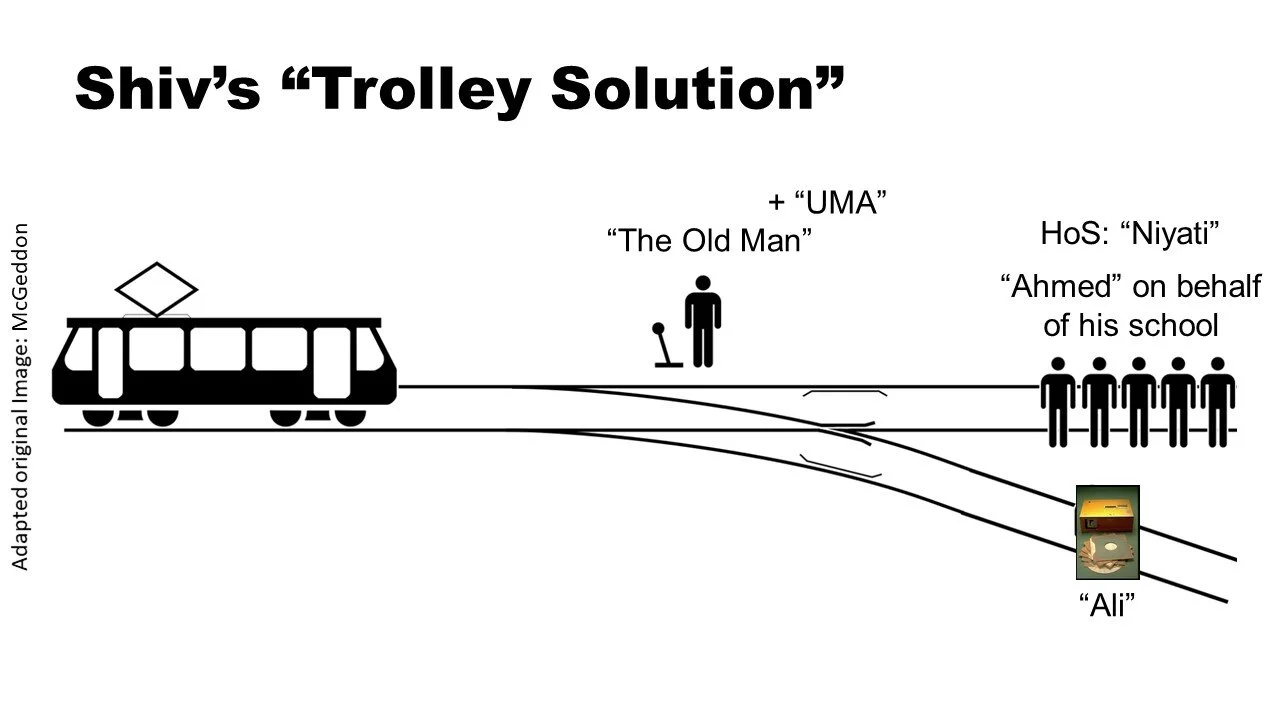
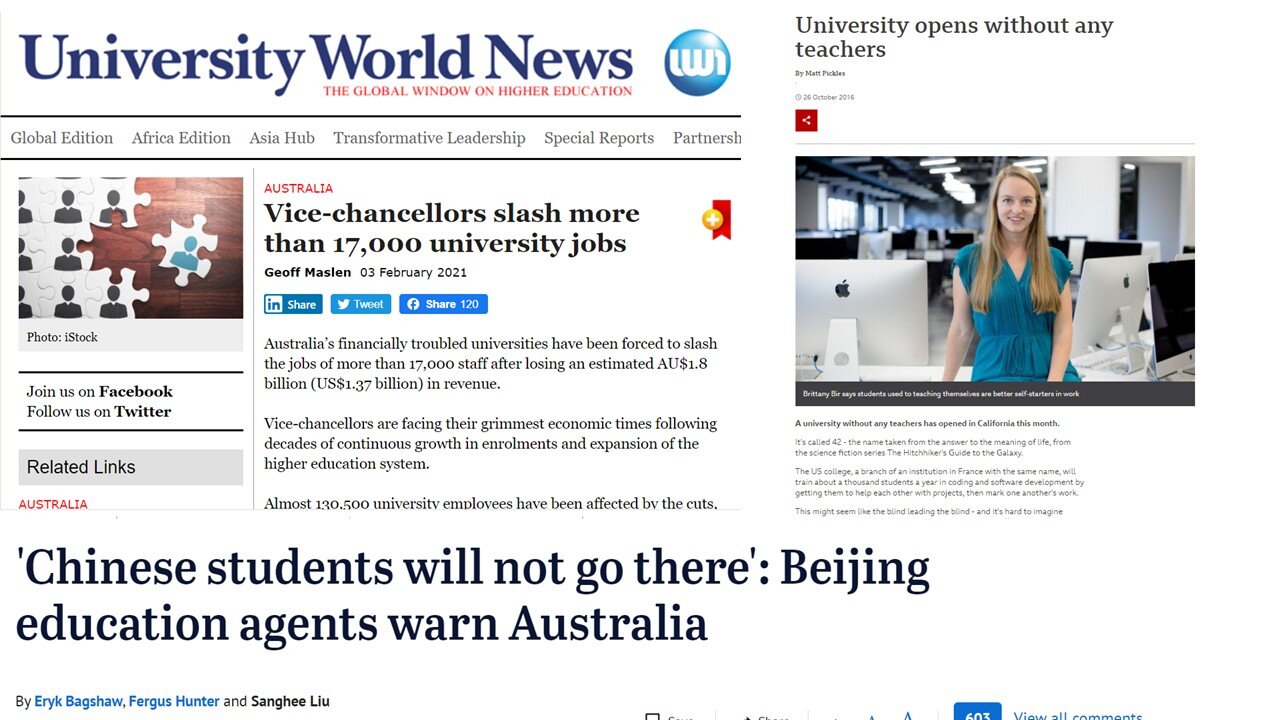
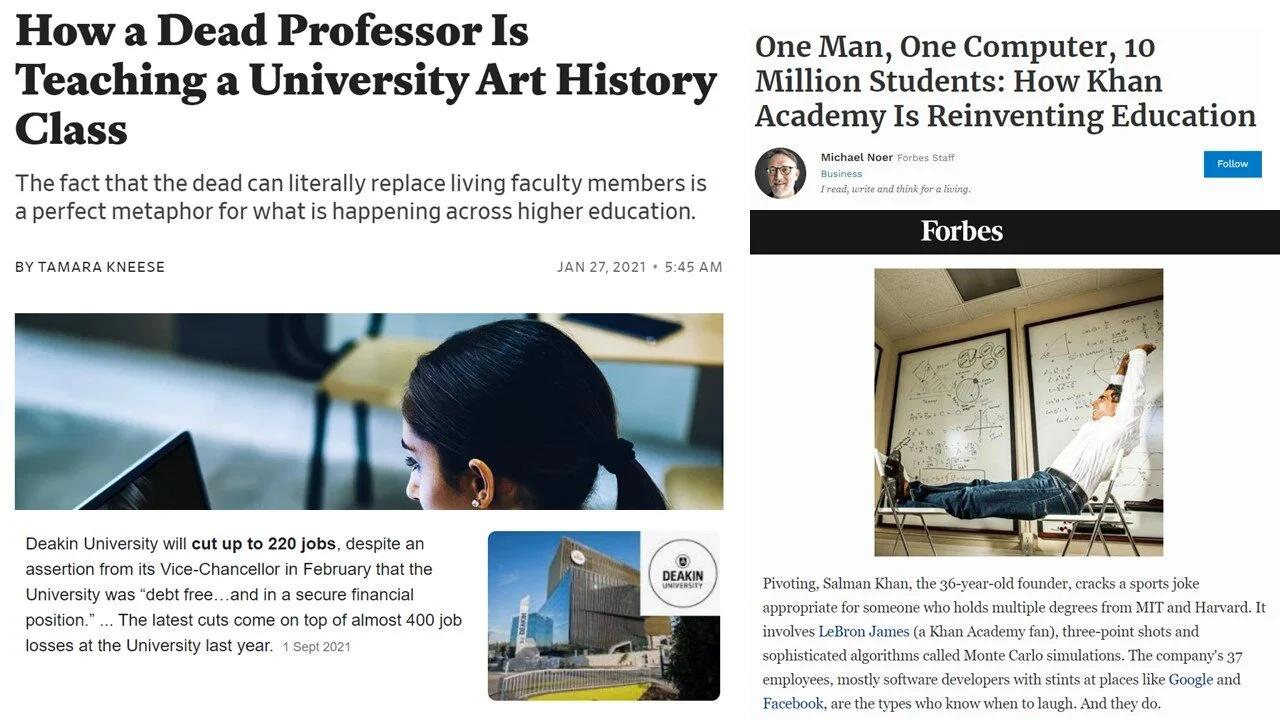
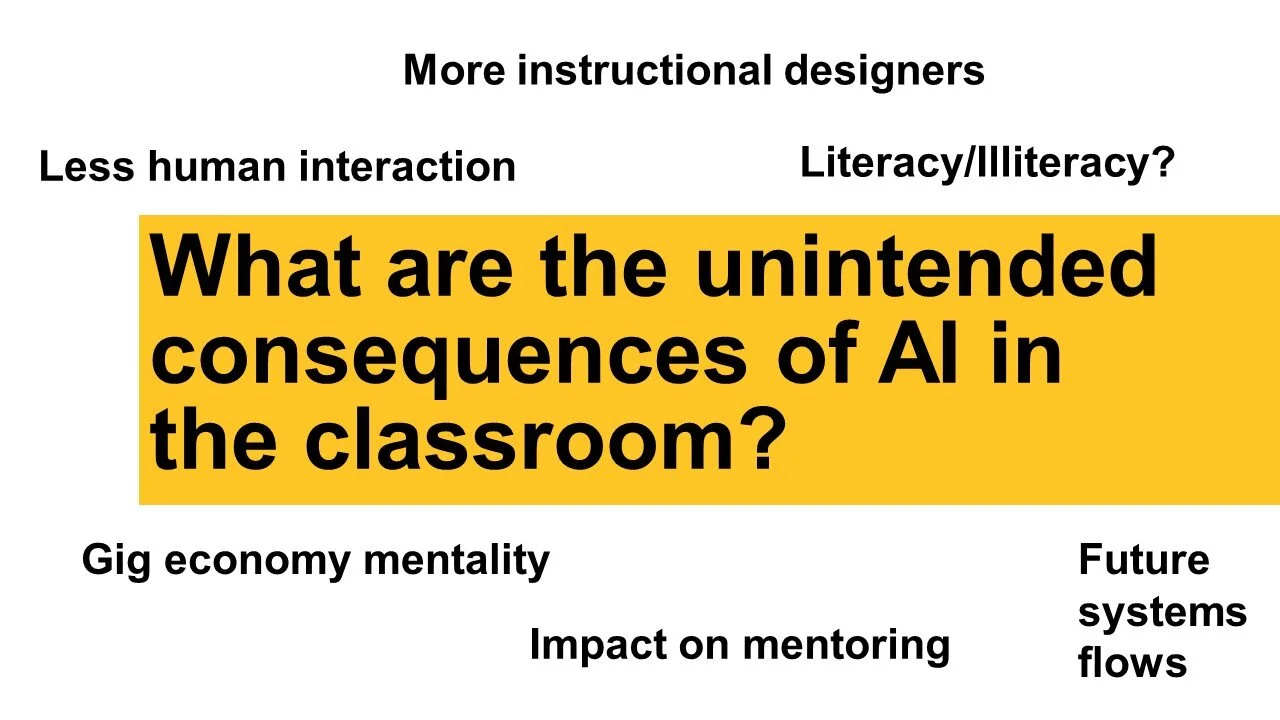
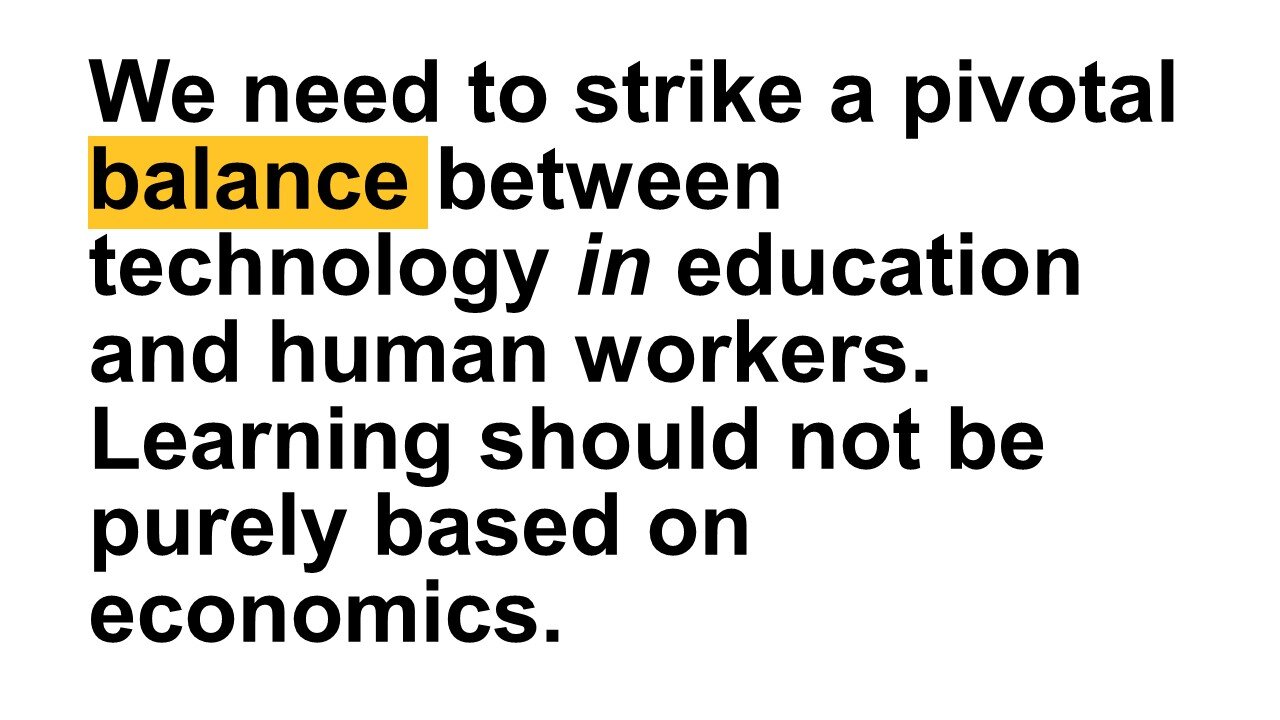
In March 2021, commissioned by Arizona State University’s Mary Lou Fulton Teachers College, Shiv Ramdas published “The Trolley Solution” [i], a story about an academic face-off between a human (Ahmed) and machine (Ali) that involved the infamous “Trolley Problem” first introduced by philosopher Philippa Foot in 1967 [ii]. As fate would have it I was asked to reflect on this masterful piece for Slate’s Future Tense [iii] during a tenuous time in the Australian higher education sector, after several rounds of very public redundancies as a result of the stymied movement of international students due to COVID-19. As I began to read the short story, I found myself coming face to face with discussions I had been personally privy to, over the last decade, but especially since June 2020. One of the roles of speculative fiction is to provide insights into the future without being bound by the unprovable realities [iv]. Ramdas somehow, and possibly without even realising, had struck a chord with some of the current bright ideas being proposed by a subset of executives and administrators in relation to the role of AI in higher education. Ramdas too was admittedly overwhelmed by the myriad of responses he received once his piece went live, particularly from academics who had lost their jobs or were feeling under threat due to the newly determined strategic regimes of Administration [v]. Powerful speculative fiction, though seemingly impossible at the present time, allows the reader the space to consider what might be, tying back the learnings to the present. The success of Ramdas’ piece was in the anticipatory writing, and in an atypical conclusion that could not be imagined by the reader, forcing them to consider all angles, and to rethink their own subjective position.
Biographical Statement
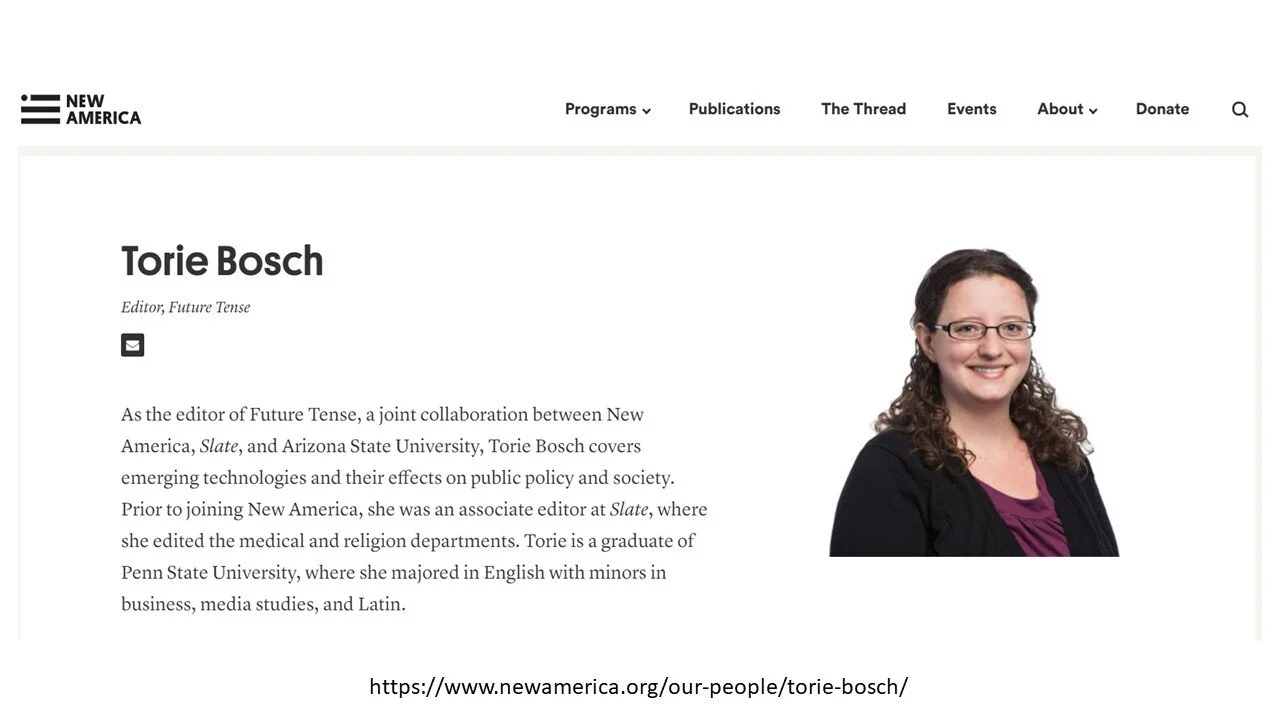
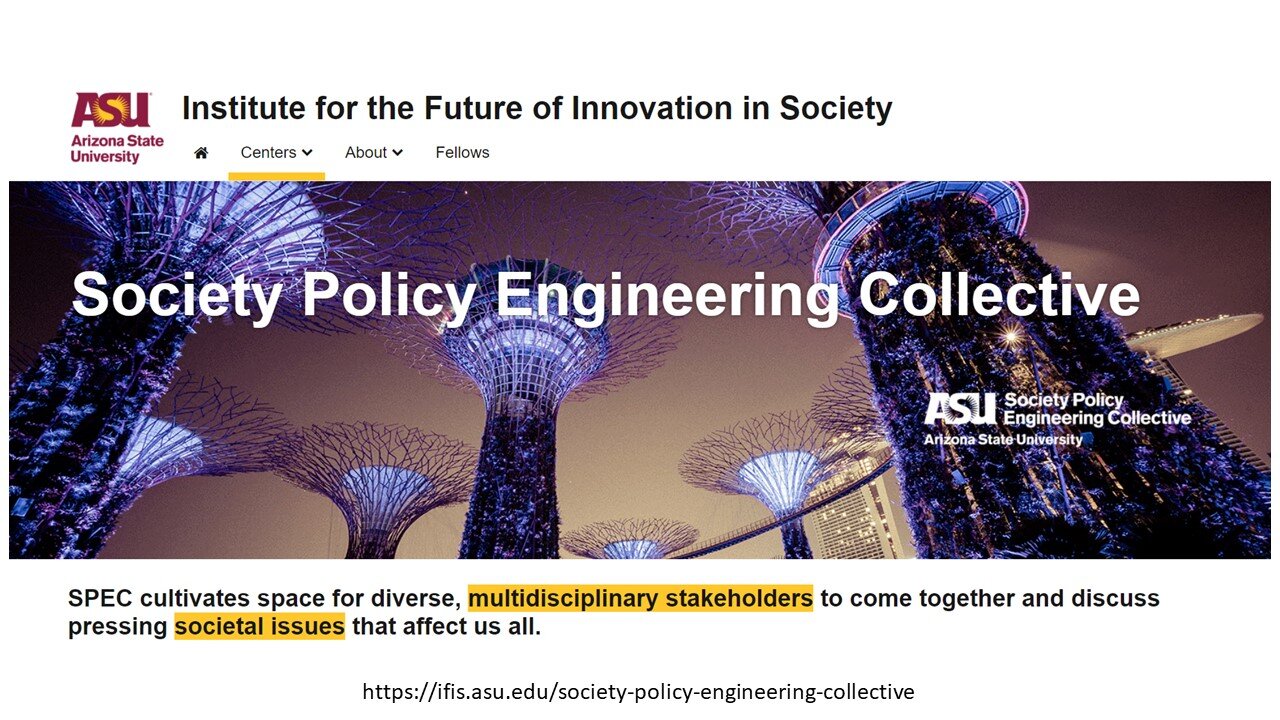
Katina Michael is a professor at Arizona State University, holding a joint appointment in the School for the Future of Innovation in Society and School of Computing and Augmented Intelligence. She is also the director of the Society Policy Engineering Collective (SPEC) and the Founding Editor-in-Chief of the IEEE Transactions on Technology and Society. Katina is a senior member of the IEEE and a Public Interest Technology advocate who studies the social implications of technology.
References
[i] Shiv Ramdas, 27 March 2021, “The Trolley Solution”, Slate: Future Tense, https://slate.com/technology/2021/03/trolley-solution-shiv-ramdas-short-story.html
[ii] Philippa Foot, The Problem of Abortion and the Doctrine of the Double Effect, The Oxford Review, vol. 5, 1967, pp. 5-15.
[iii] Katina Michael, 27 March 2021, Slate: Future Tense, https://slate.com/technology/2021/03/trolley-solution-response-essay-automated-higher-education.html
[iv] Marek Oziewicz, 29 March 2017, “Speculative Fiction”, Oxford Research Encyclopedia of Literature, https://doi.org/10.1093/acrefore/9780190201098.013.78
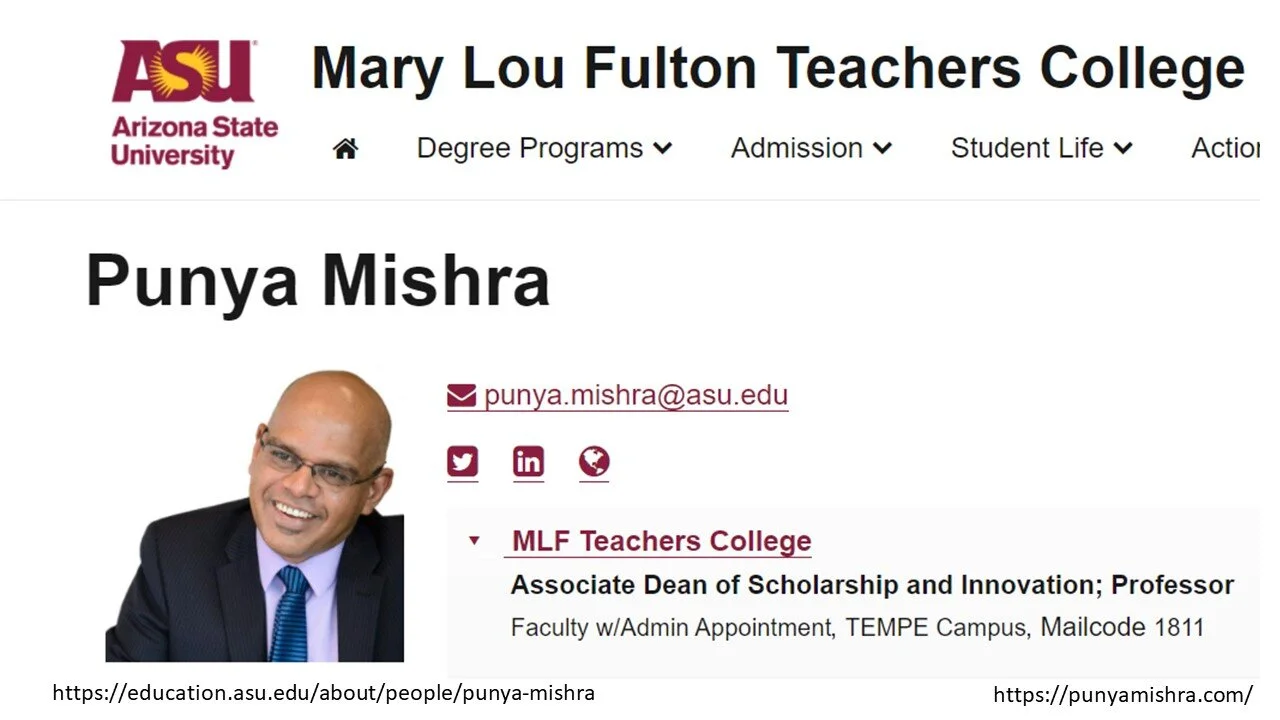
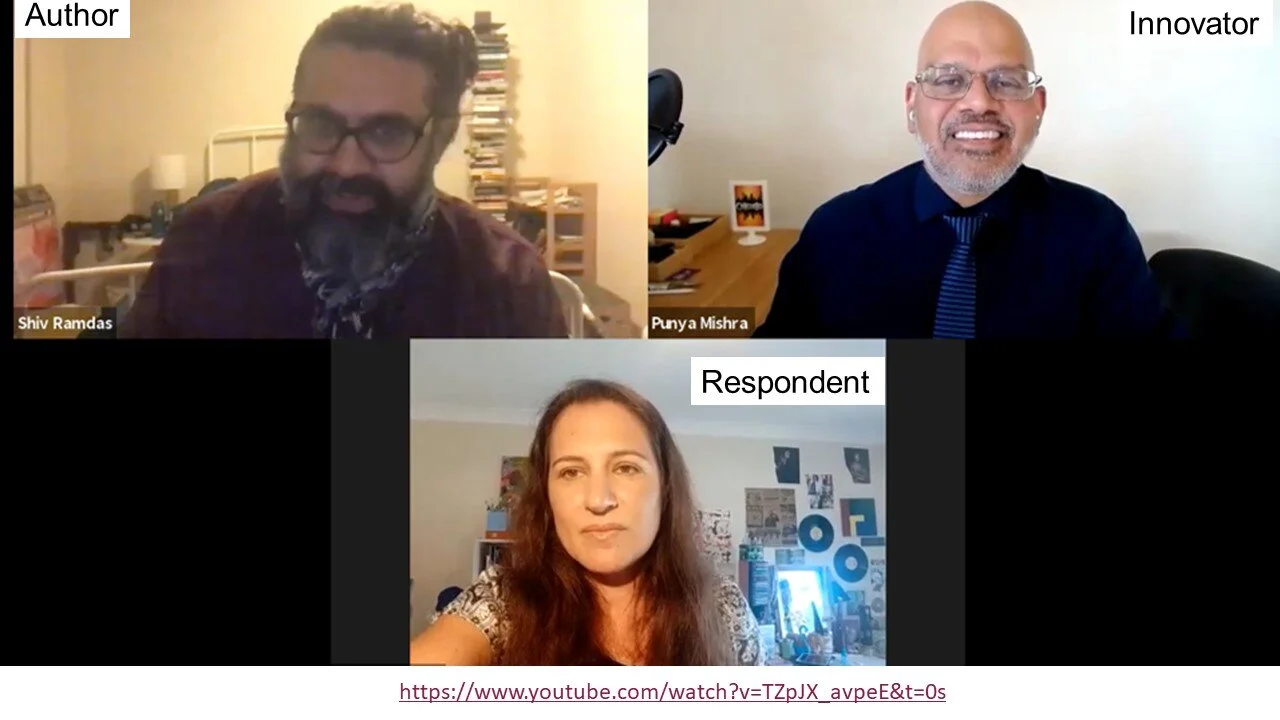
[v] Punya Mishra (moderator), Shiv Ramdas (author), Katina Michael (respondent), Future Tense Fiction: Online Discussion of “The Trolley Solution”, Learning Futures, April 1, 2021, https://www.youtube.com/watch?v=9vnl7KKOHRw



Schedule
10 am Welcome
10: 15 keynote Lizzie O’Shea (30 mins)
10: 45 Break (15 mins)
11: Panel 1 Digital (post)humanities (1 hour 15 minutes) Katina Michael, Abigail Child, John Tonkin
12:15 break (15 minute break)
12:30 Keynote Nina Power (50 mins)
1:20 break (40 minutes)
2pm panel 1 hour Bruce Isaacs, Greg Ferris
3pm 5 minute break
3:05pm Keynote Adam Geczy (2 hours)
5pm finish
From the Organiser at the Source: https://suff.com.au/inhuman-screens.html
This year marks the fourth annual inhuman screens conference. As people spend more and more time in front of screens amid COVID, never has there been a more important time to analyse our relationships to, and dependence on the screen. From bingeing programs to online forums, the screen presents us with core challenges to how we understand ourselves and one another.
What political function does the screen serve? What is its role in art and
education today? What threats and innovations does the screen present us with? This conference explores these fundamental issues, covering;
Digital Addiction and predatory Tech companies
Privacy in the digital age & the need to regulate tech giants
Gender norms and troubles, online and offline
Contemporary realism in screen culture
The Role of AI in Higher Education
Robotics, AI & the posthuman subject
Cinematic, Televisual and Digital Aesthetics
Our keynotes in alphabetical order include:
Adam Geczy: artist and writer who teaches at the University of Sydney. His artworks have been shown across Australia, Asia and Europe and is held in numerous major collections. Having published some 20 books, his most recent title (with Vicki Karaminas) is Gaga Aesthetics: Art, Fashion and the Up-Ending of Tradition, a study of popular culture usingAdorno’s theories of aesthetics. He is founding editor of the journals The Journal of Asia- Pacific Pop Culture, and ab-Original (both Penn State University Press).
Lizzie O’Shea: founder and chair of the Digital Rights Watch, is a lawyer and writer. Digital Rights Watch advocates for human rights online. In 2019, she was named a Human Rights Hero by Access Now. Her writing has appeared in The New York Times, the Guardian, and Sydney Morning Herald. Her book, Future Histories (Verso, 2019), (shortlisted for the Premier’s Literary Award) looks at radical social movements and theorists from history and applies them to debates about digital technology today.
Nina Power: cultural critic, social theorist, philosopher and translator. She was a senior lecturer in philosophy at Roehampton University and the author of One-Dimensional Woman. [1] She served as both editor and translator (with Alberto Toscano) of Alain Badiou's On Beckett. She is the author of One-Dimensional Woman and her forthcoming book, What Do Men Want: Masculinity and Its Discontents is published by Penguin. Her writing has appeared in The Guardian and The Spectator among others.
We also have great panellists: filmmaker Abigail Child, Professor Katina Michael of the Arizona State University, artist John Tonkin, Associate Professor Bruce Isaacs from the University of Sydney, and Dr Gregory Ferris, from UTS.
All this and more, in 2021’s Inhuman Screens on September 10. Tickets $12, available here;
If you would like to get in touch with the organiser, Dr Aleksandr Wansbrough, please email a.ajpopularculture@gmail.com
Citation: Katina Michael, 24 September 2021, “The Role of AI in Higher Education: Reflections on Shiv Ramdas’ Speculative Fiction - “The Trolley Solution” in Aleksander Wansbrough (conf organiser), 4th Inhuman Screens Academic Conference in the Sydney Underground Film Festival, https://suff.com.au/inhuman-screens.html