AUSCL Panel on Vaccine Passports
Vaccine Passports and the Ecosystems Perspective by Roba Abbas
Vaccine passports, intended to verify an individual’s immunisation status, are currently being considered in the Australian and the global context with respect to the COVID-19 pandemic. This presentation will highlight the significant considerations relating to the design and implementation of such digital medical certificates, discussing their place within a broader health and societal ecosystem. Perspectives on ethics, access, technical integration, regulation and discrimination will be explored and situated within a socio-technical ecosystems view.
Questions:
-
Why is an ecosystems view necessary with respect to vaccine passports?
-
Can you elaborate on what you mean by socio-technical ecosystems?
-
Are there any example implementations that we can draw on, to inform our decision-making processes in Australia?
Bio: Roba Abbas is a Lecturer and Academic Program Director with the Faculty of Business and Law at the University of Wollongong, Australia. She has a PhD in location-based services regulation and has received competitive grants for research addressing global challenges in areas related to co-design and socio-technical systems, operations management, robotics, social media and other emerging technologies. Her current research interests include methodological approaches to complex socio-technical systems design. More recently, she has delivered talks and co-organised panels for Yale University, The Alan Turing Institute, the American Association for the Advancement of Science (AAAS), Arizona State University and Ostfalia University of Applied Sciences. Dr Abbas is Co-Editor of the IEEE Transactions on Technology and Society and was the Technical Program Chair for the IEEE International Symposium on Technology and Society (ISTAS20) hosted by Arizona State University in November 2020. From 2005 to 2010, she was a Product Manager with Internetrix, Wollongong.
Domestic vaccine passports by Rob Nicholls
In Australia, vaccination status is recorded at the Commonwealth level as part of the My Health Record. This is managed by the Australian Digital Health Agency. In the context of federation, it is likely that each of the state and territory health departments will also wish to access the vaccination status of individuals. This presentation considers the issues associated with the concept of domestic vaccine passports at the state and federal level. In particular, it examines which organisations would want access to vaccination status and which should receive it consistent with reasonable privacy expectations of individuals. It considers a case study of an employer wishing to minimise its corporate risk by seeking to encourage all of its employees to be vaccinated.
Questions:
-
What issues flow when the disclosure of COVID-19 vaccination status discloses other sensitive information?
-
Should the states and territories have access to Commonwealth held My Health Record data outside of the hospital system?
-
Are domestic vaccine passports necessary or desirable?
Bio: Rob Nicholls is an associate professor in regulation and governance at the UNSW Business School and a visiting professional fellow at UTS Sydney Law. His research interests focus on competition law, the regulation of networked and platform industries with an emphasis on the effects of technology in the regulatory space. His PhD examined the regulation of the media in Australia and his platform industry analysis reflects this. Rob has had a thirty-year career concentrating on competition, regulation and governance. His first degree was in electronics and communications engineering from the University of Birmingham and he was awarded his PhD and MA by UNSW Sydney. Before moving to academia, he worked for Webb Henderson, the ACCC and spent twelve years as a client-facing consultant at Gilbert + Tobin, including as a partner. Rob is an accredited mediator and from 2012 to 2020 was Australia’s Independent Telecommunications Adjudicator.
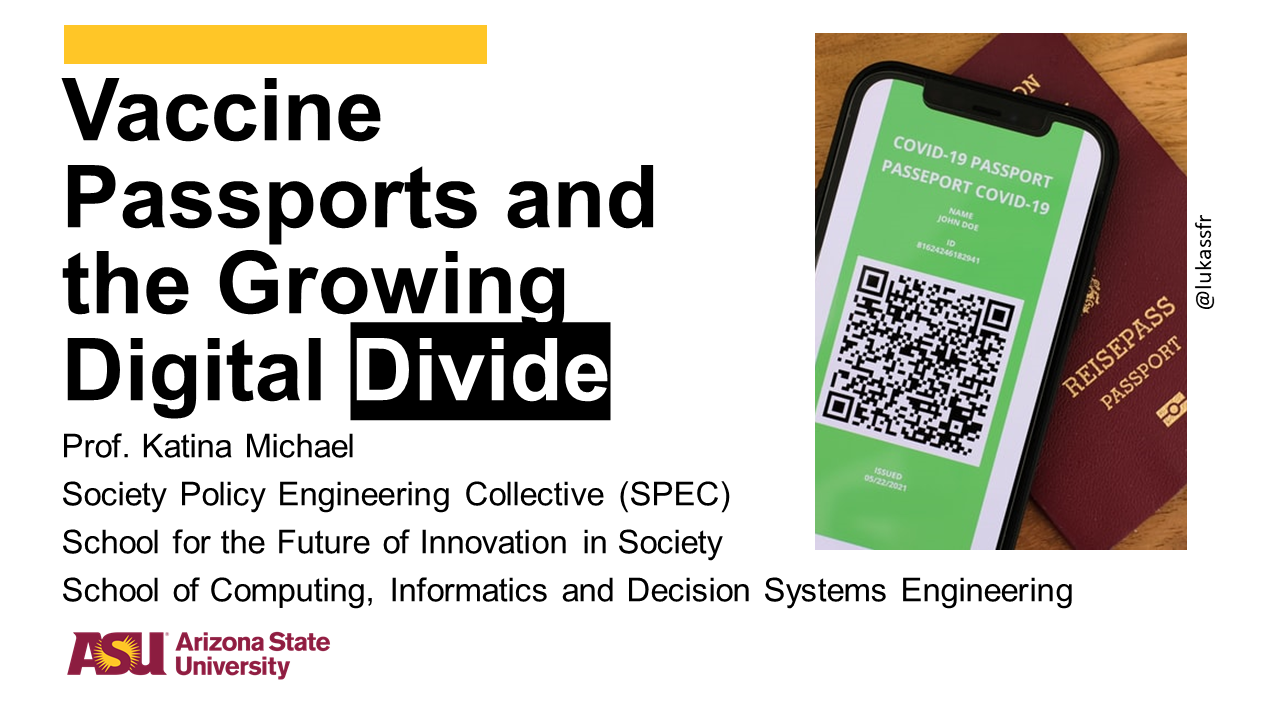
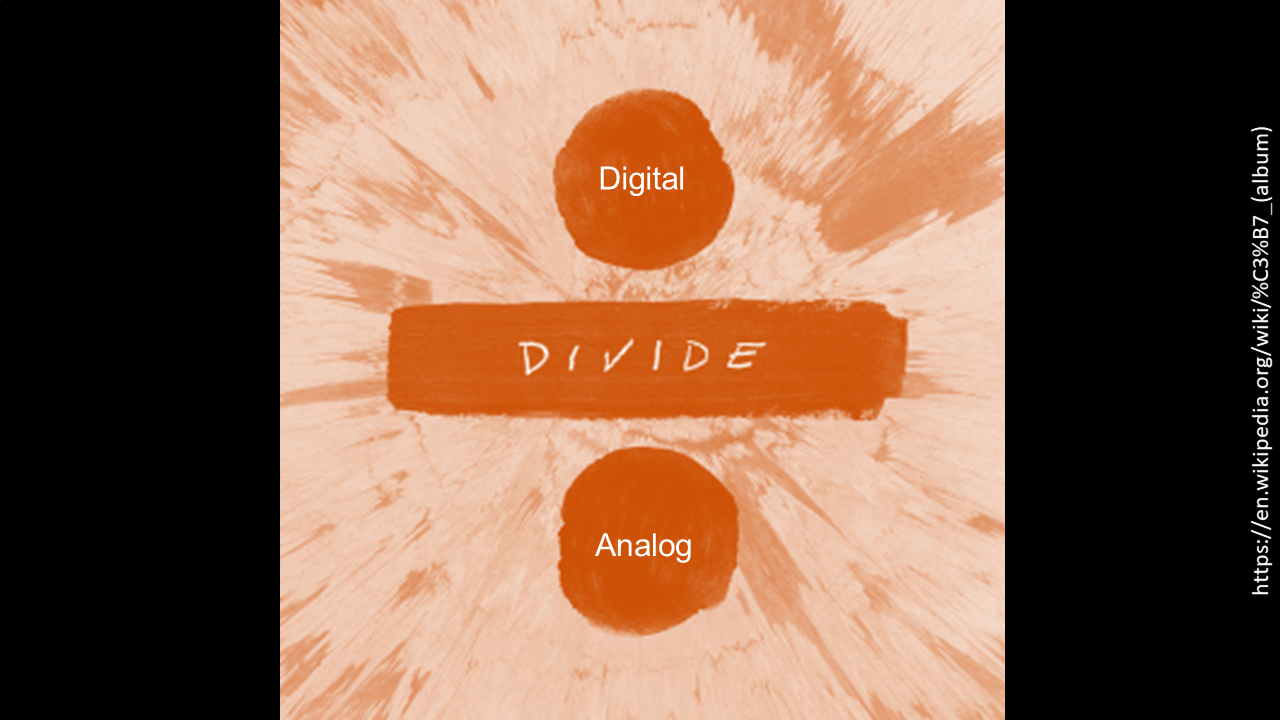
Vaccine Passports and the Growing Digital Divide by Katina Michael
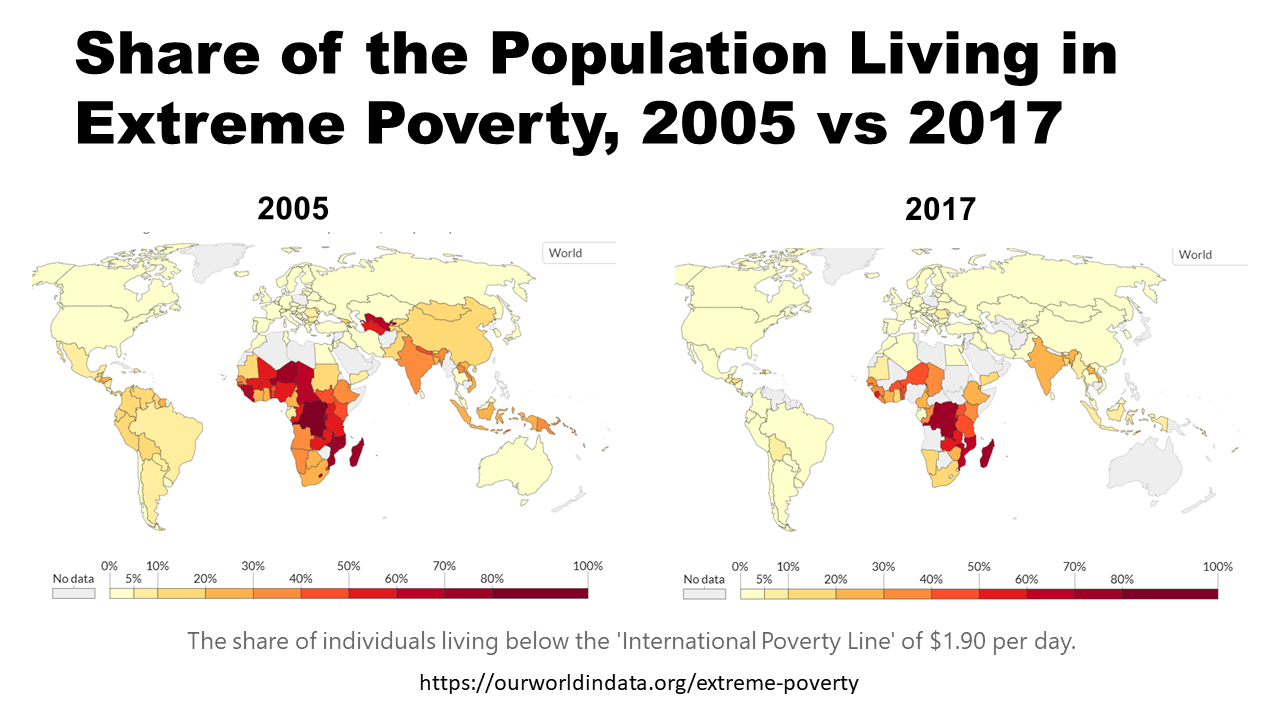
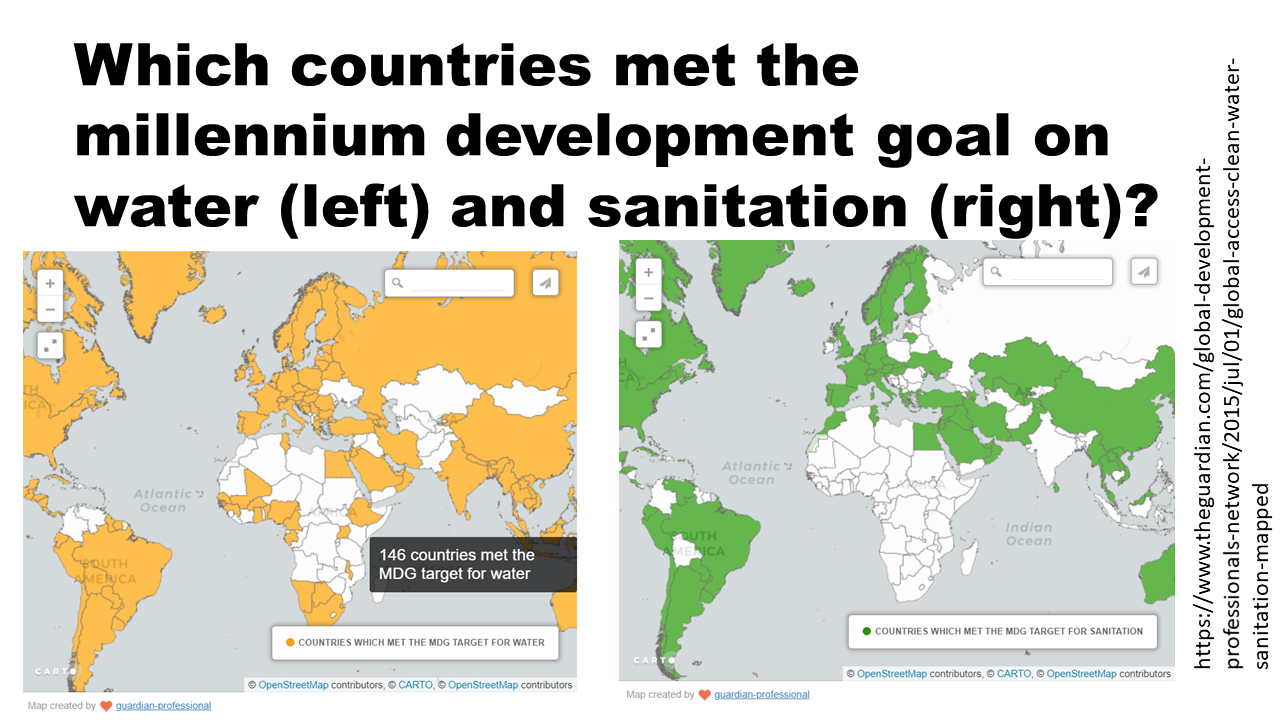
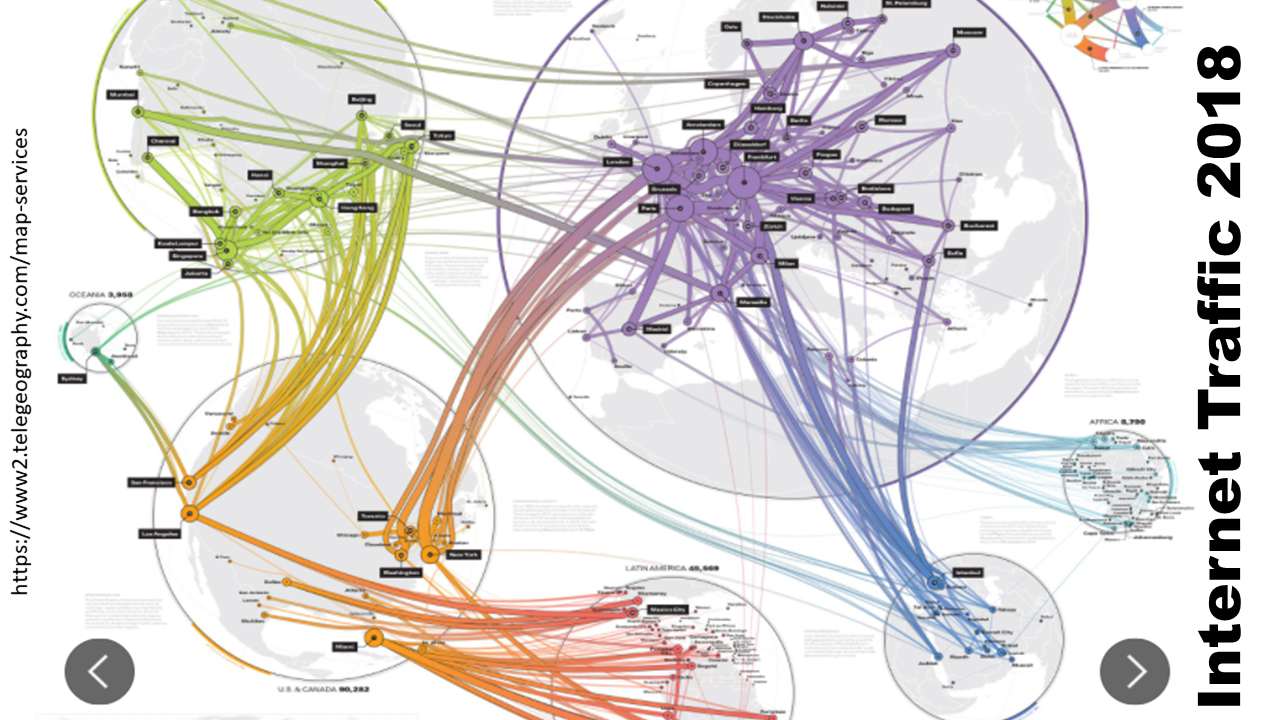
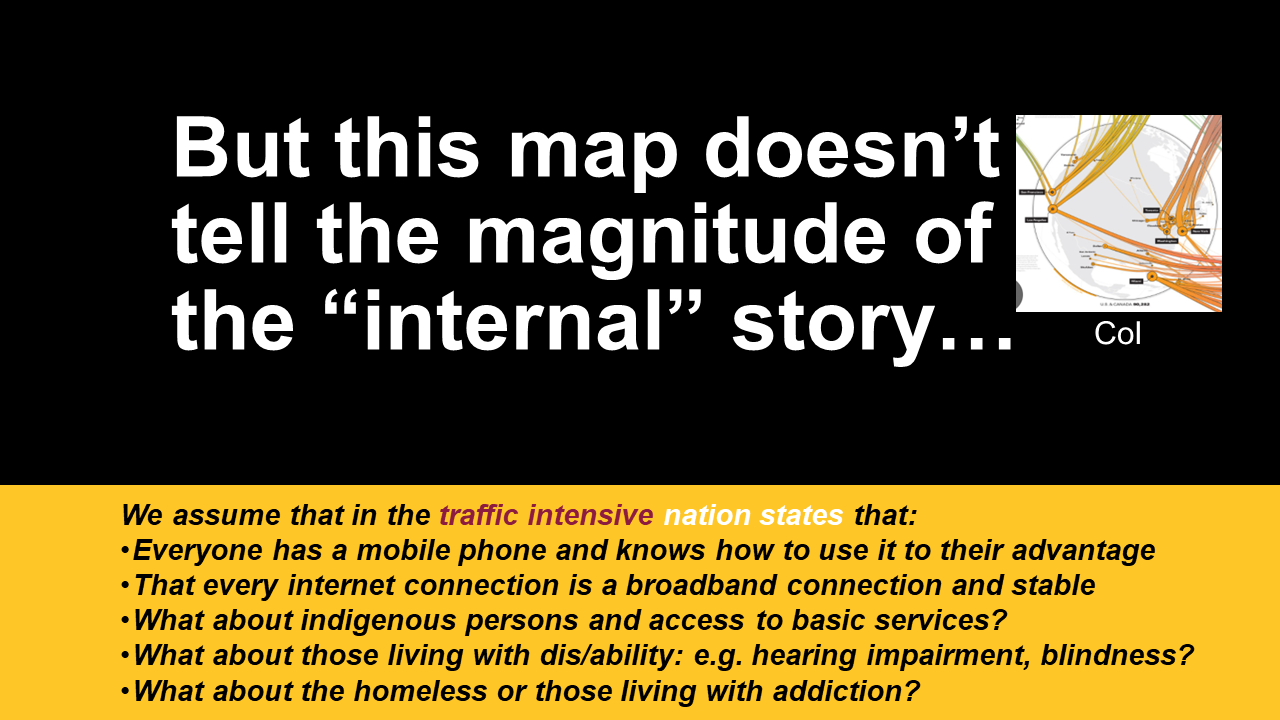
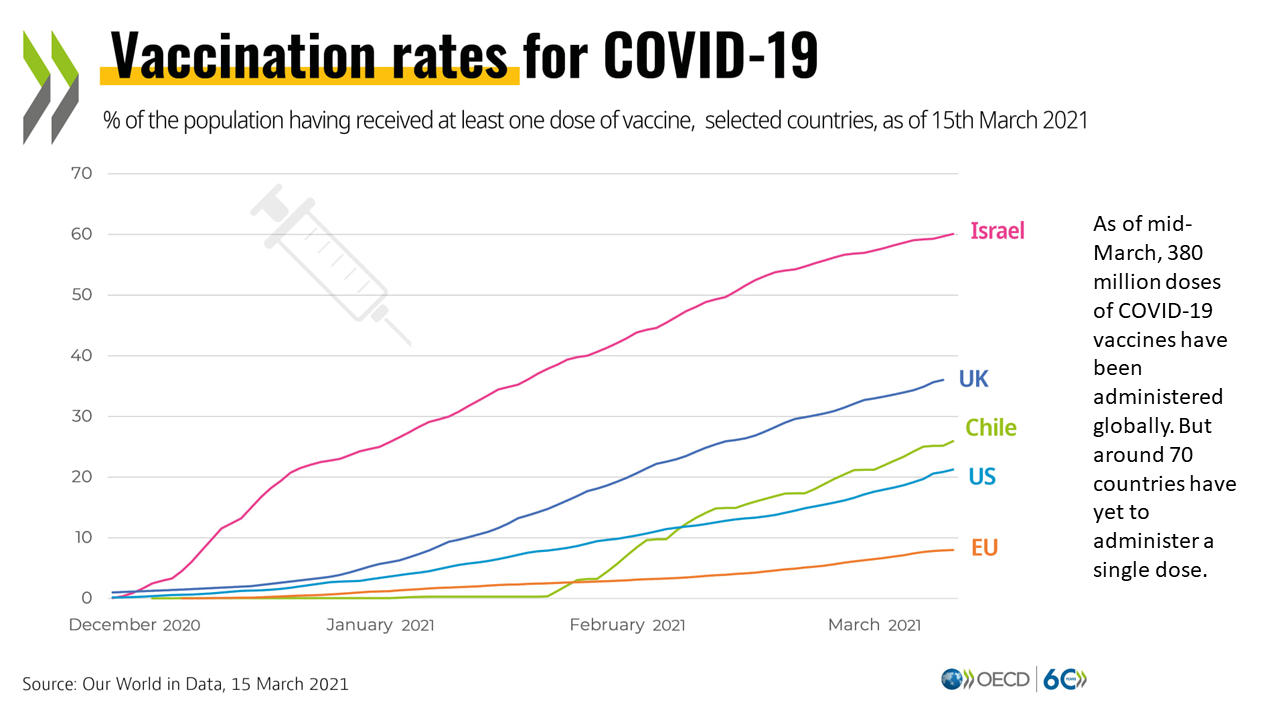
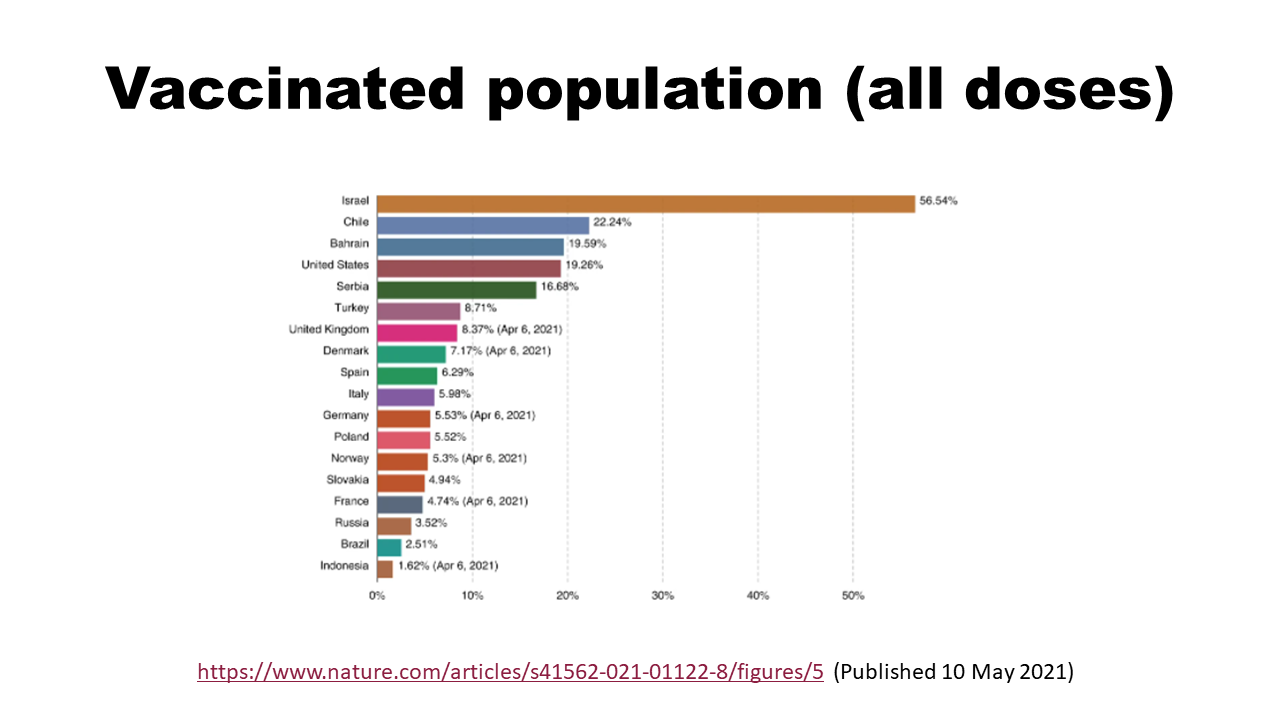
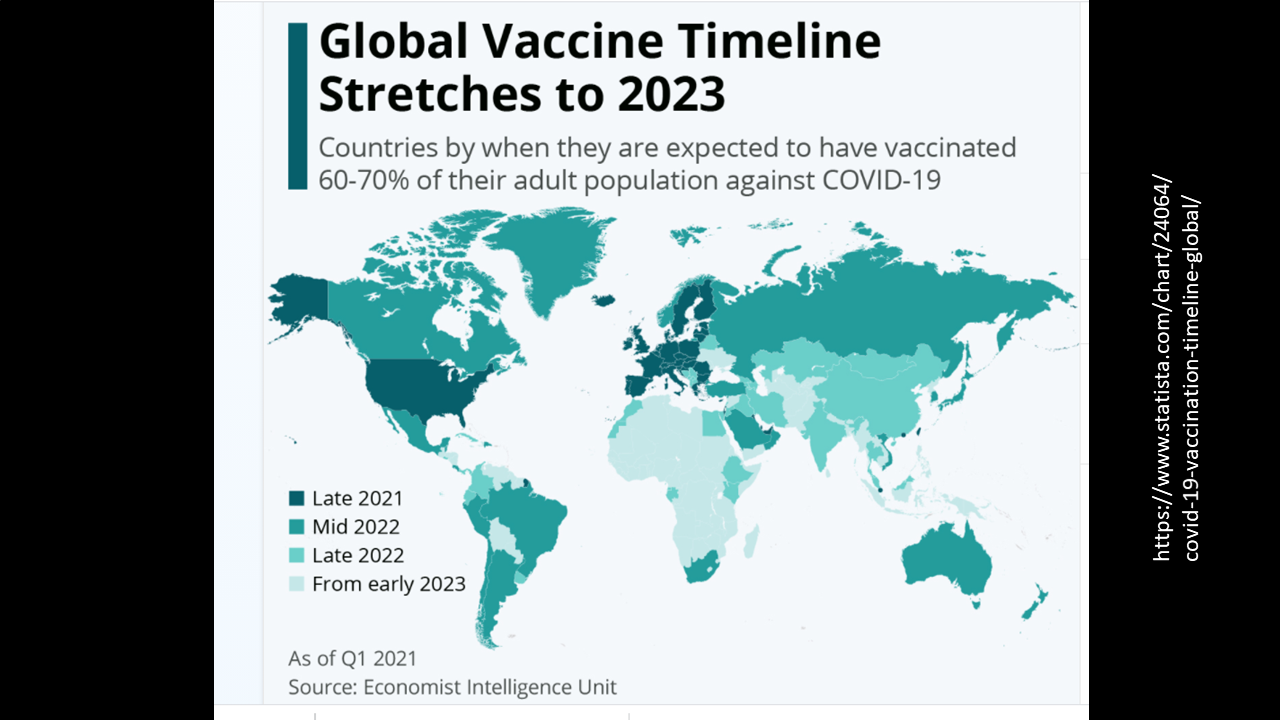
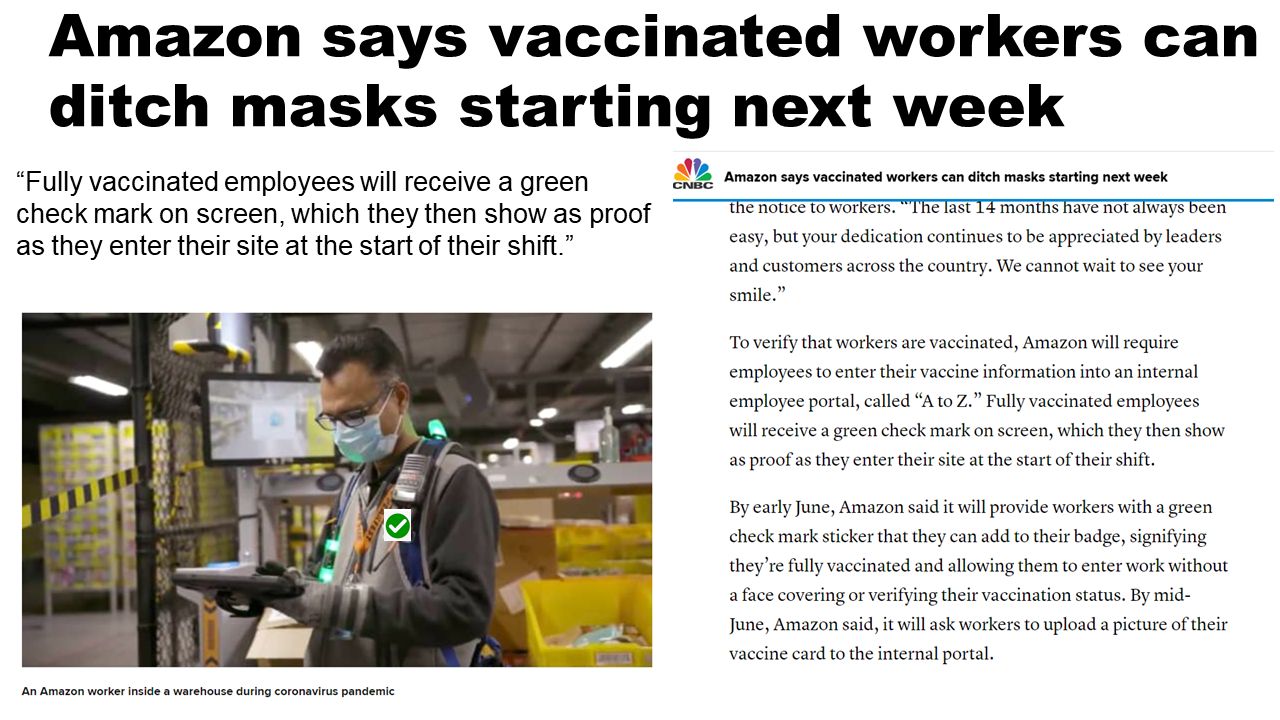
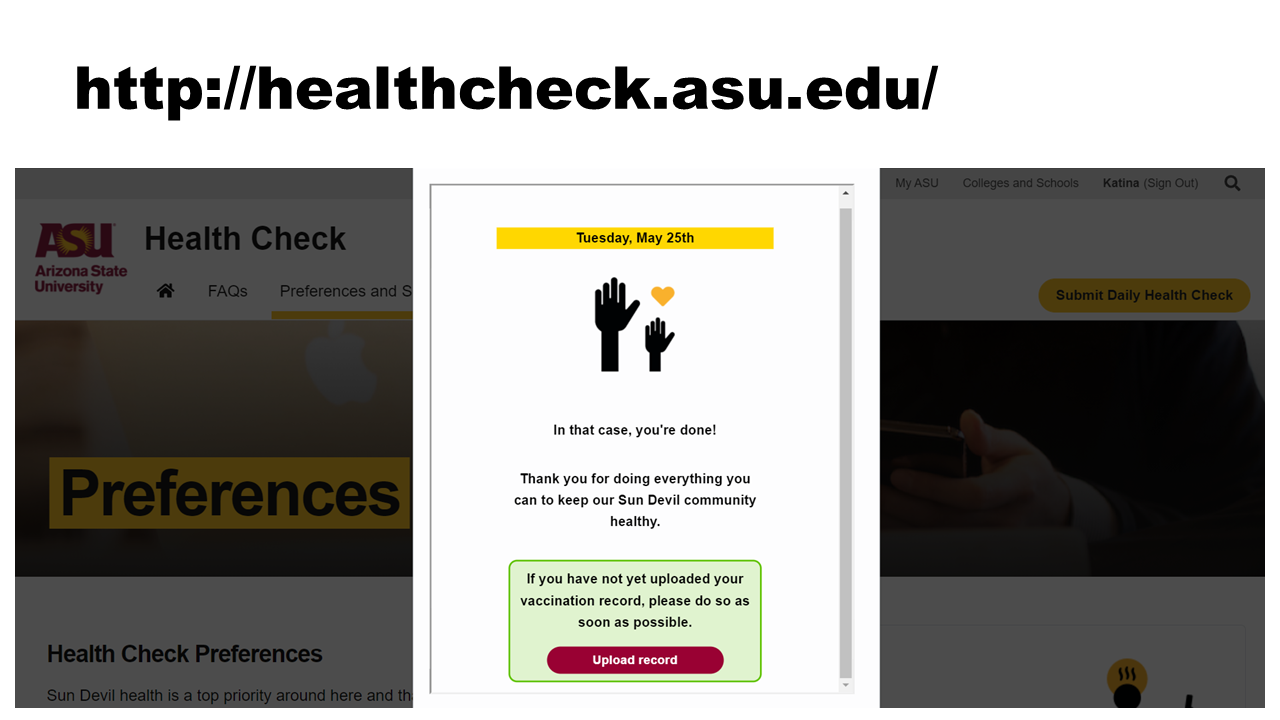
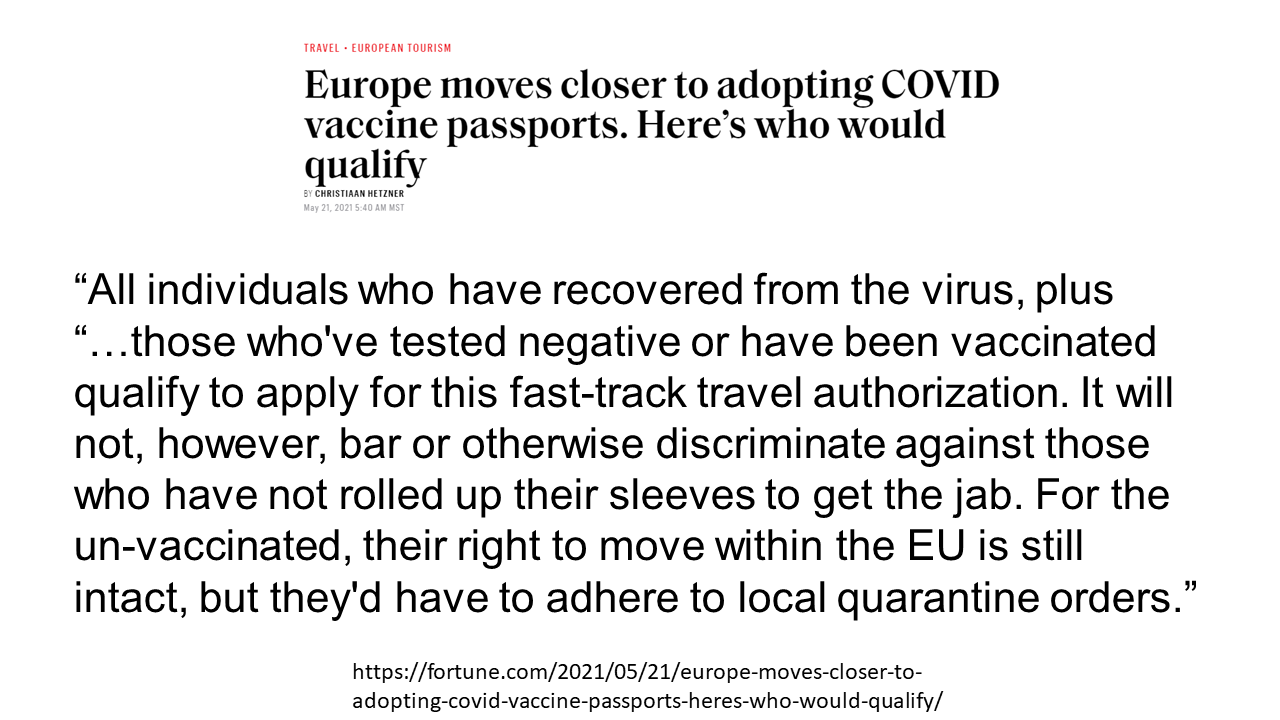
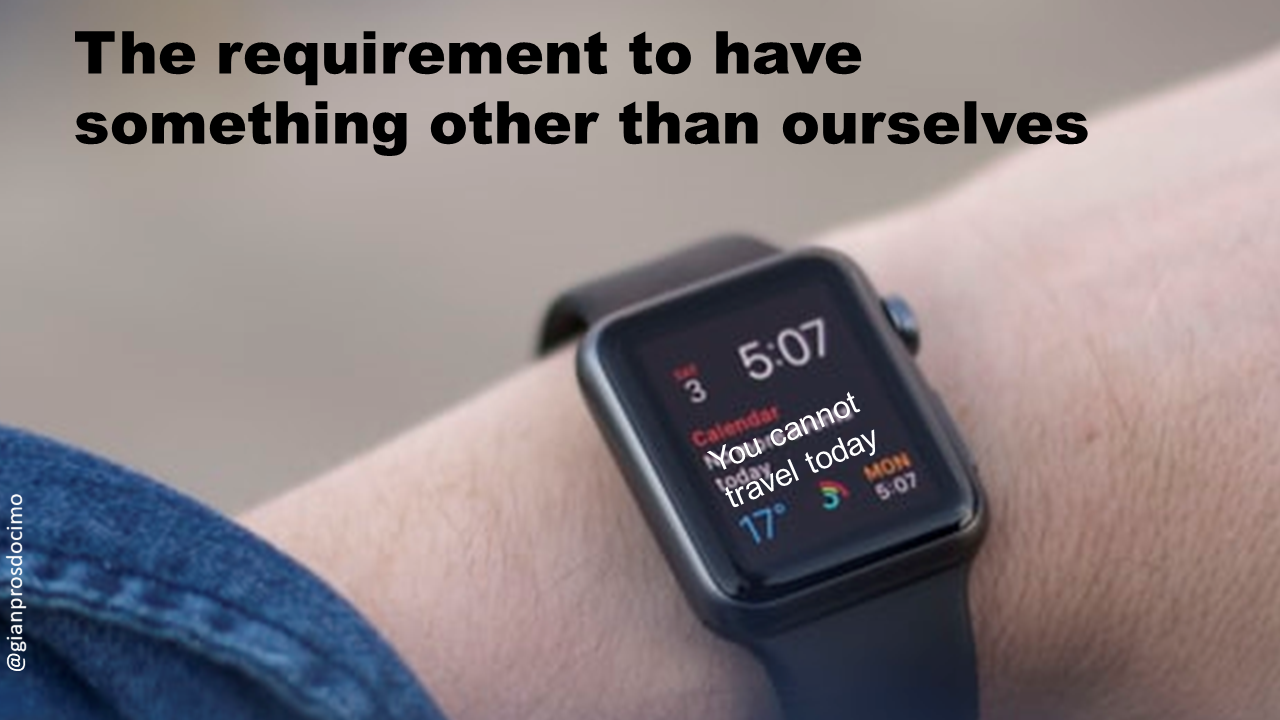
Yet another technology being rolled out in the fight against pandemic outbreaks, this time in the form of a digital vaccine passport implemented using simple 2D barcodes known as Quick Response (QR) codes. Already, Israel has rolled out a vaccine passport otherwise known as a “green” pass, and other countries in Europe and the United Kingdom are actively undergoing pilots. But will this stem the transmission of a pandemic now and into the future? What will this mean for countries in Africa, South America and Asia, and those peoples living in the West that fall into under-represented minority categories, especially when we contemplate that one can only have such a green pass if they have access to a vaccine to begin with. Is this mechanism simply favouring the “haves” and promulgating a digital divide even further? How will this affect international flight travel, access into licensed venues and other public points of interest that were once open for all to enjoy, independent of income or status? This brief presentation focuses on the manner in which government mandated technology can act to both discriminate and empower people during changing social-economic circumstances.
Questions:
1. Do we require an internationally coordinated effort for vaccine passports?
2. Should the rights of people who choose to or not to be vaccinated (for any reason) be different?
3. What are some of the different form factors that vaccine passports have been instituted? What are the (dis)advantages of these form factors?
Bio: Katina Michael is a professor in the School for the Future of Innovation in Society and School of Computing, Informatics and Decision Systems Engineering at Arizona State University. She is the director of the Society Policy Engineering Collective and presently a co-Principle Investigator on the National Science Foundation NRT “Citizen-Centered Smart Cities and Smart Living”. Katina is the Founding Editor-in-Chief of the IEEE Transactions on Technology and Society and is a senior editor of the IEEE Consumer Electronics Magazine since 2015 where she founded the socio-economic impact section. She has also been a member of the Australian Privacy Foundation since 2008, and a Consumer Representative for the Consumer Federation of Australia from 2005 to 2010. In 2017, Katina was a recipient of the Brian M. O’Connell Distinguished Service Award in the Society for the Social Implications of Technology and in 2020 received the ICTO Golden Medal for lifetime achievement award for exceptional contributions to research in information systems.
References:
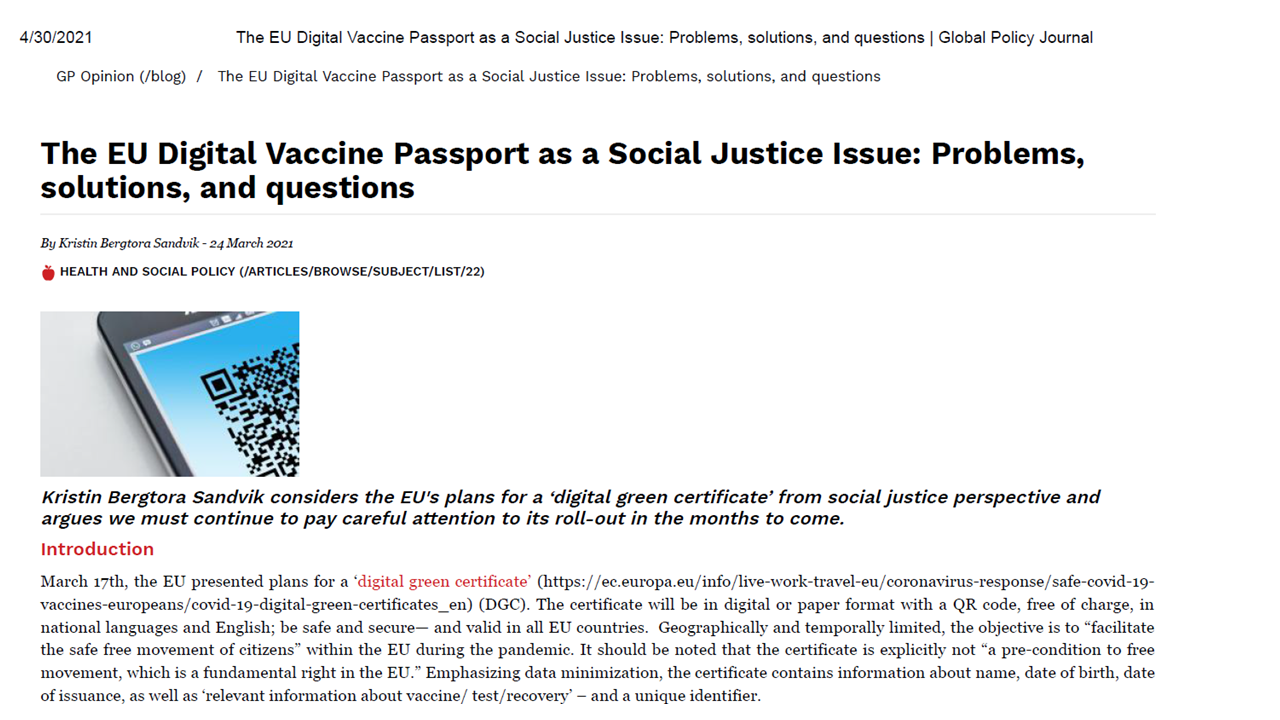
The recent work of Kristin Bergtora Sadvik has come to our attention in this space. The work may be useful to you too.
https://blogs.prio.org/2021/04/does-infection-trump-everything/