Human Factors in Autonomous Vehicles
Abstract
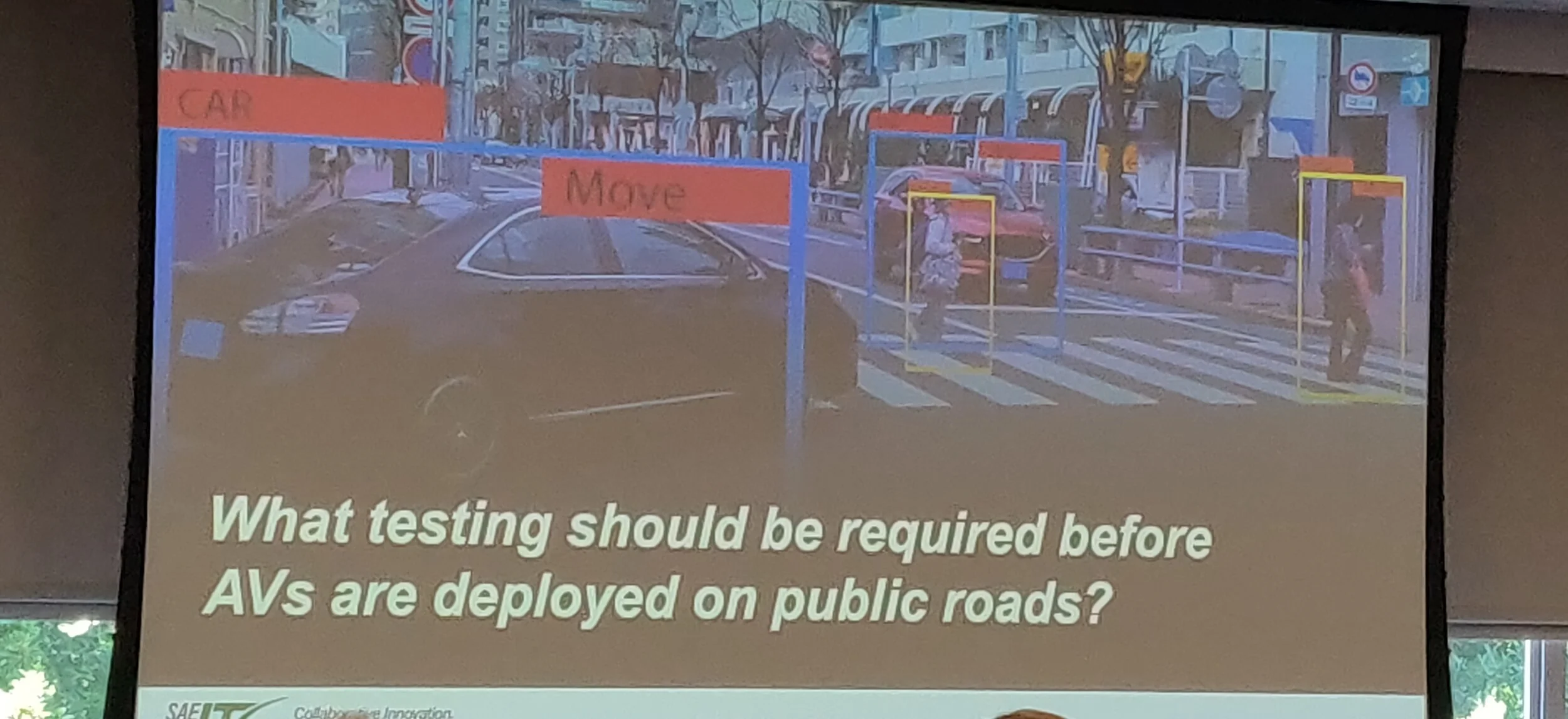
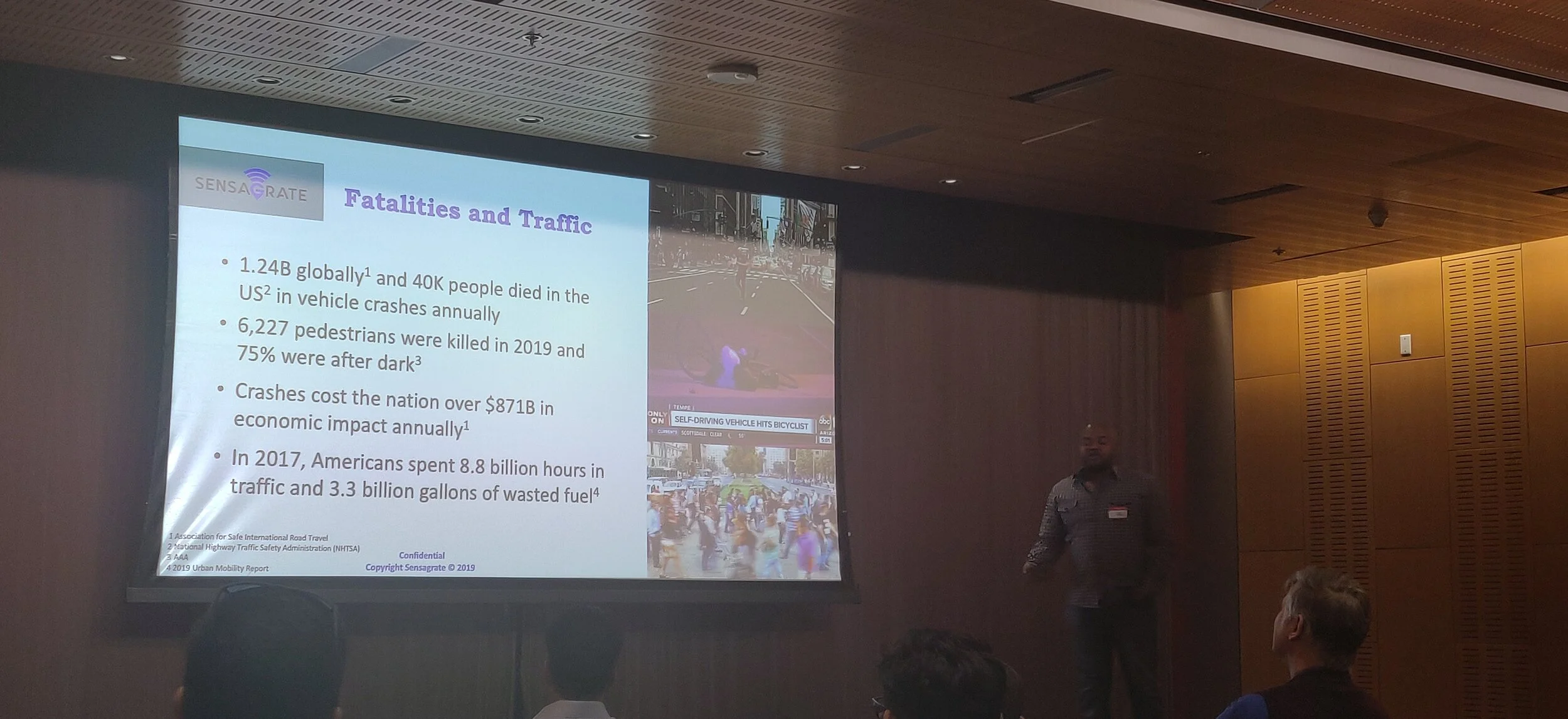
Autonomous vehicles are set to revolutionize transportation for the consumer and commercial sectors. This seminar presents human factors considerations in autonomous vehicle operations using a socio-technical lens. We deliberate on issues related to the movement of the disabled or cognitively impaired, the taxiing of minors, procedures related to moving non-human payload (loading and unloading), the loss of personal items left behind, the accumulation of litter, foul odour, or debris in a driverless car, the occurrence of vandalism in unsupervised systems, abrupt auto systems failure (e.g. accidental lock ins), navigation route failure, systems override controls, consumer price awareness, and more. The presentation also considers various forms of surveillance and alert warnings that may aid in the management of such human factors contexts, as well as commensurate penalties using evidence-based techniques.


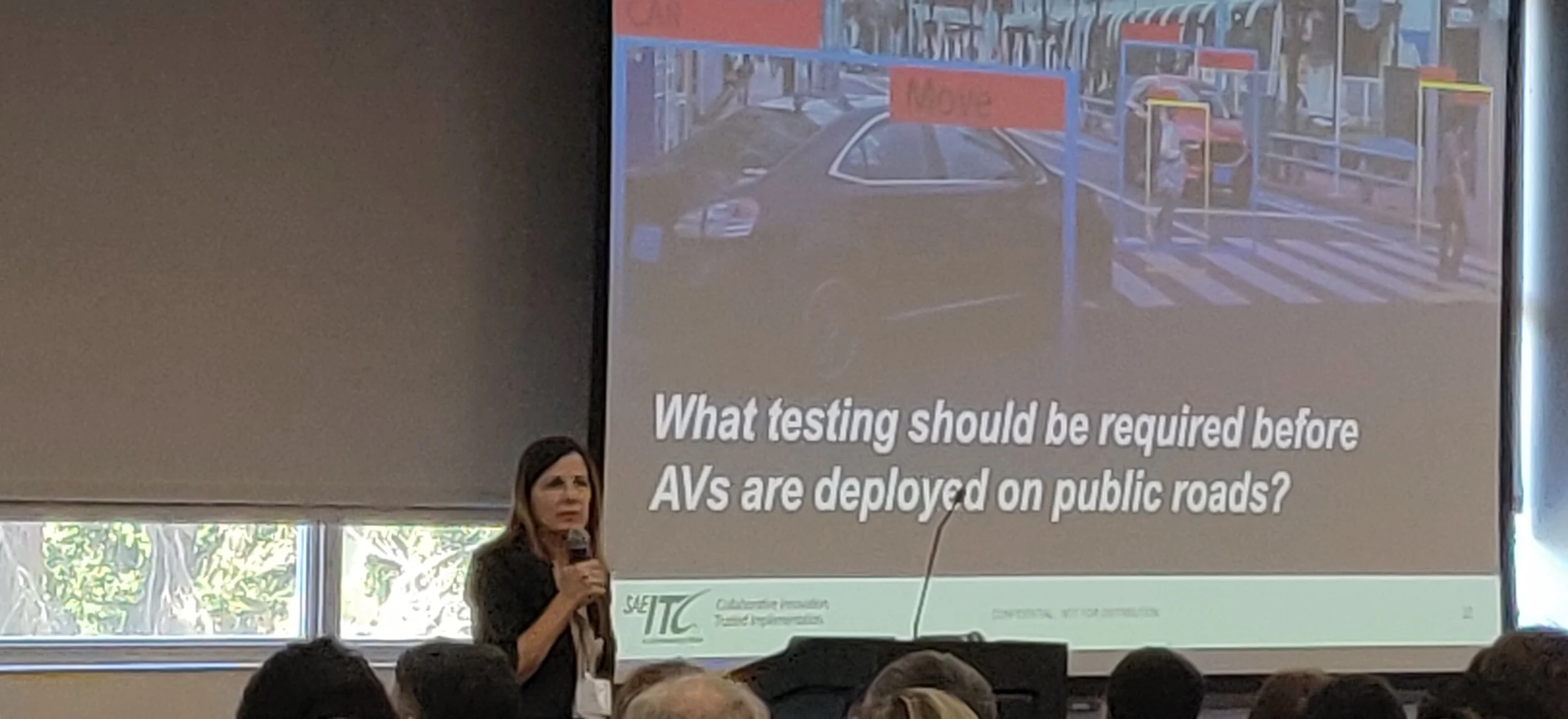

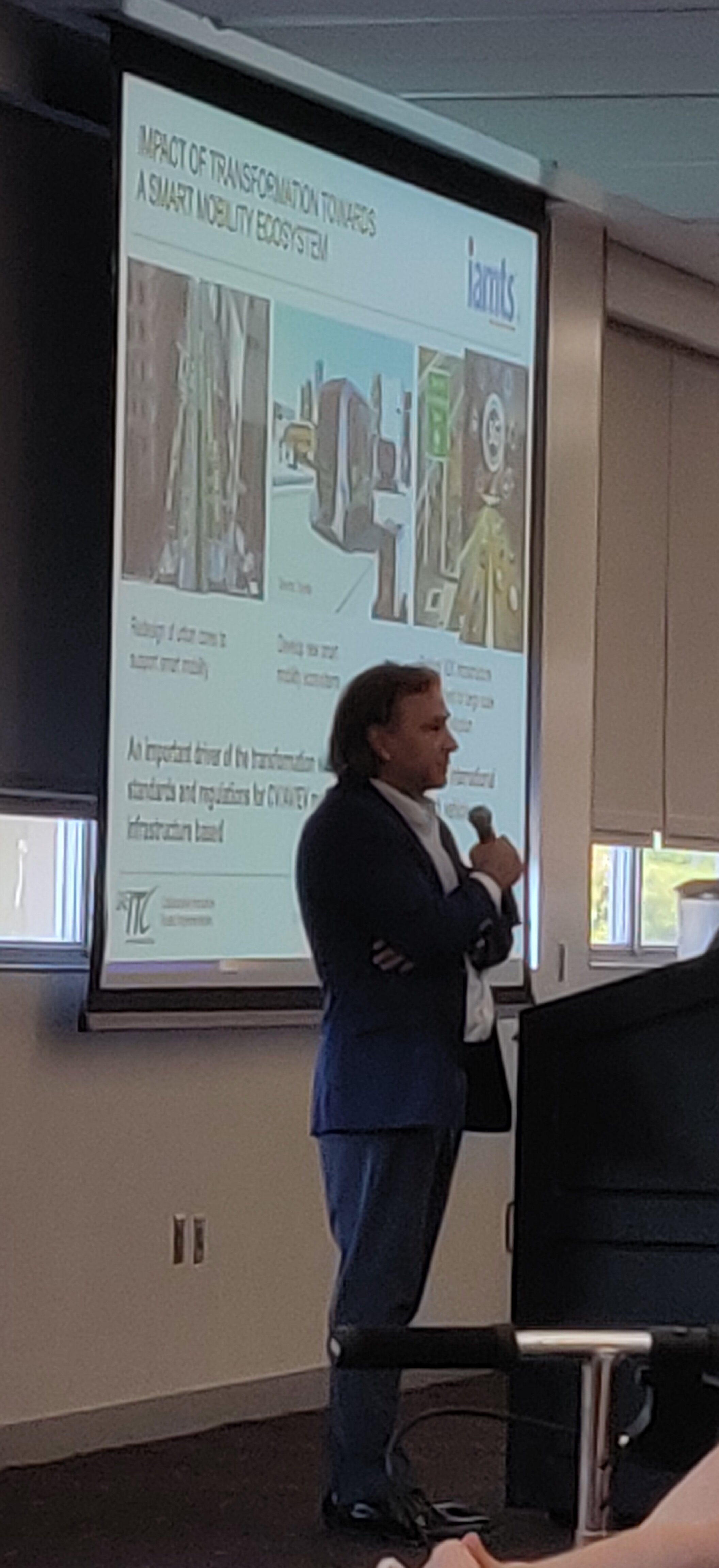
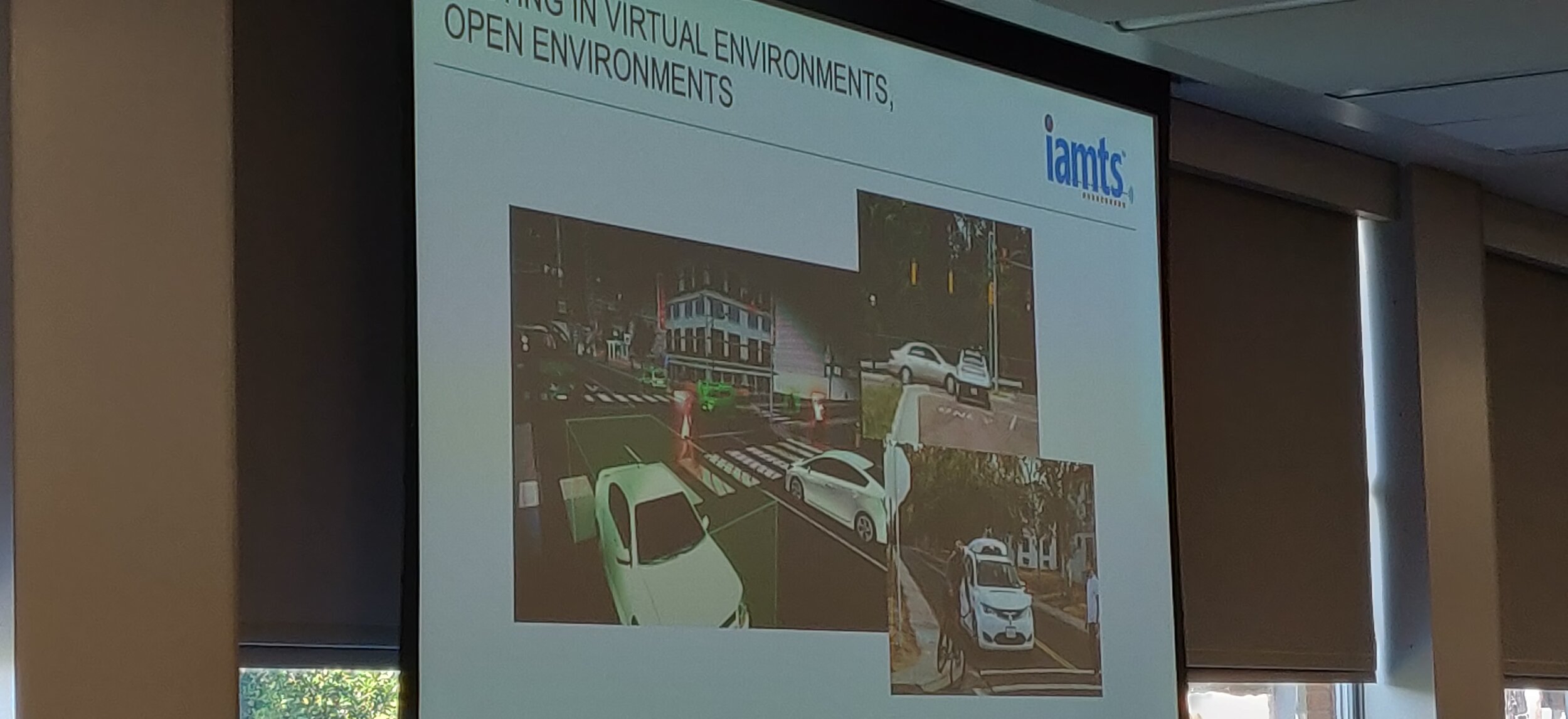
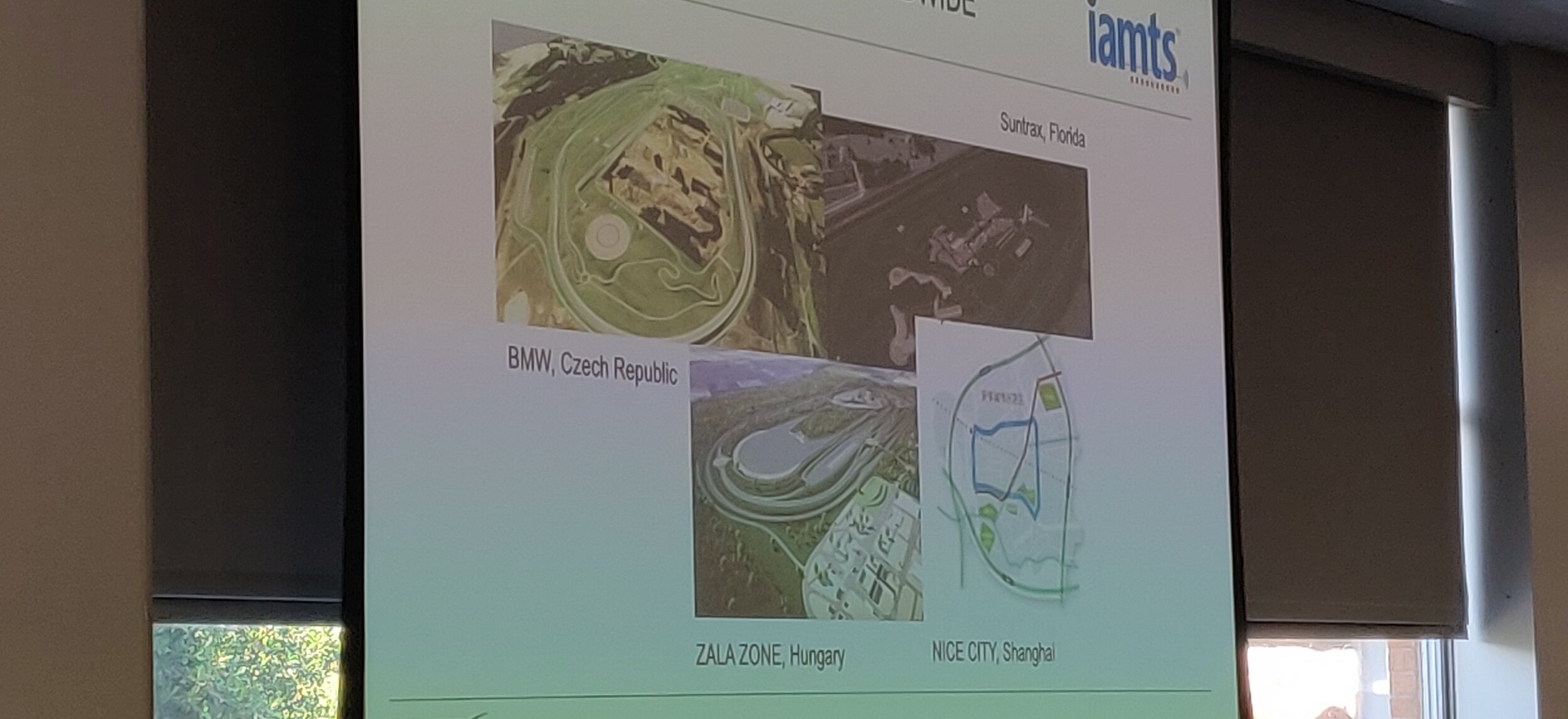
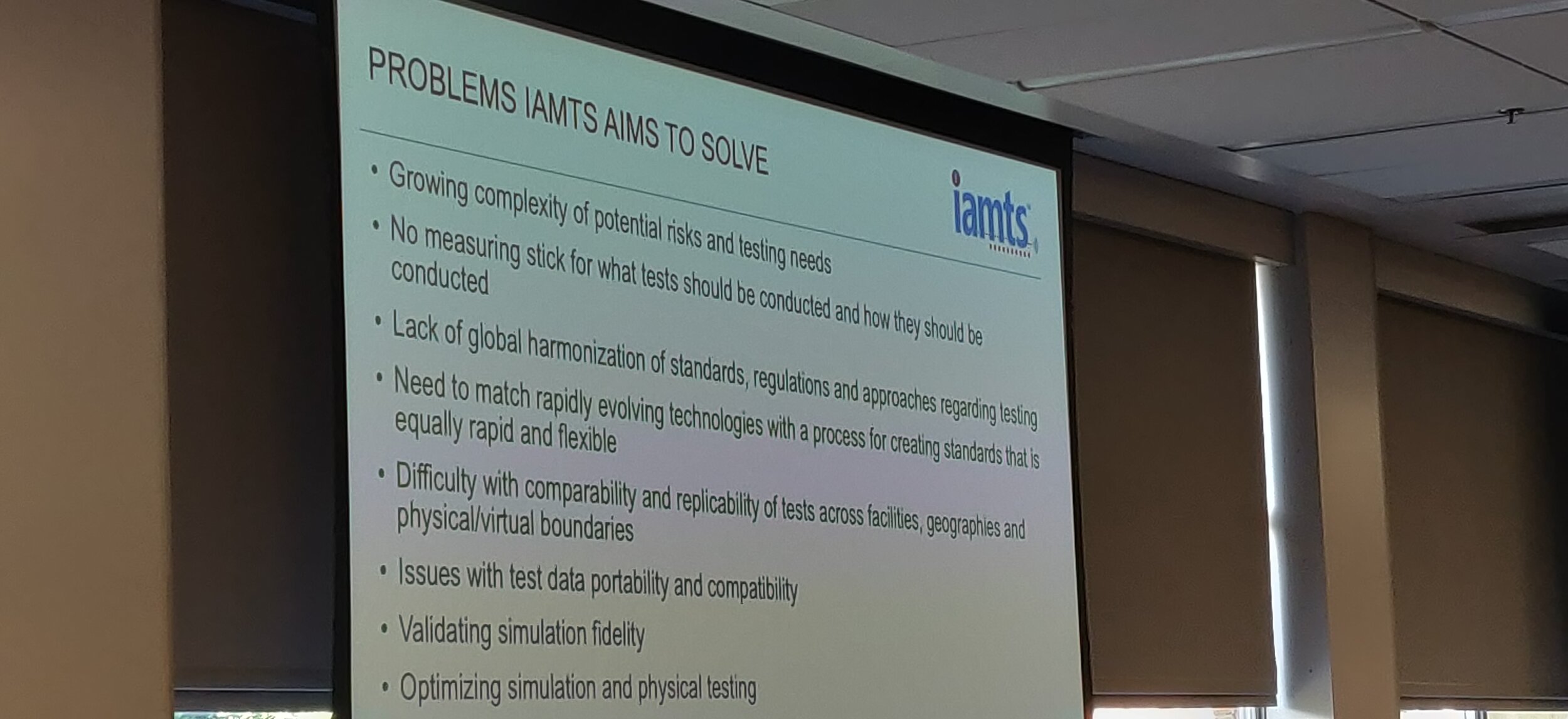






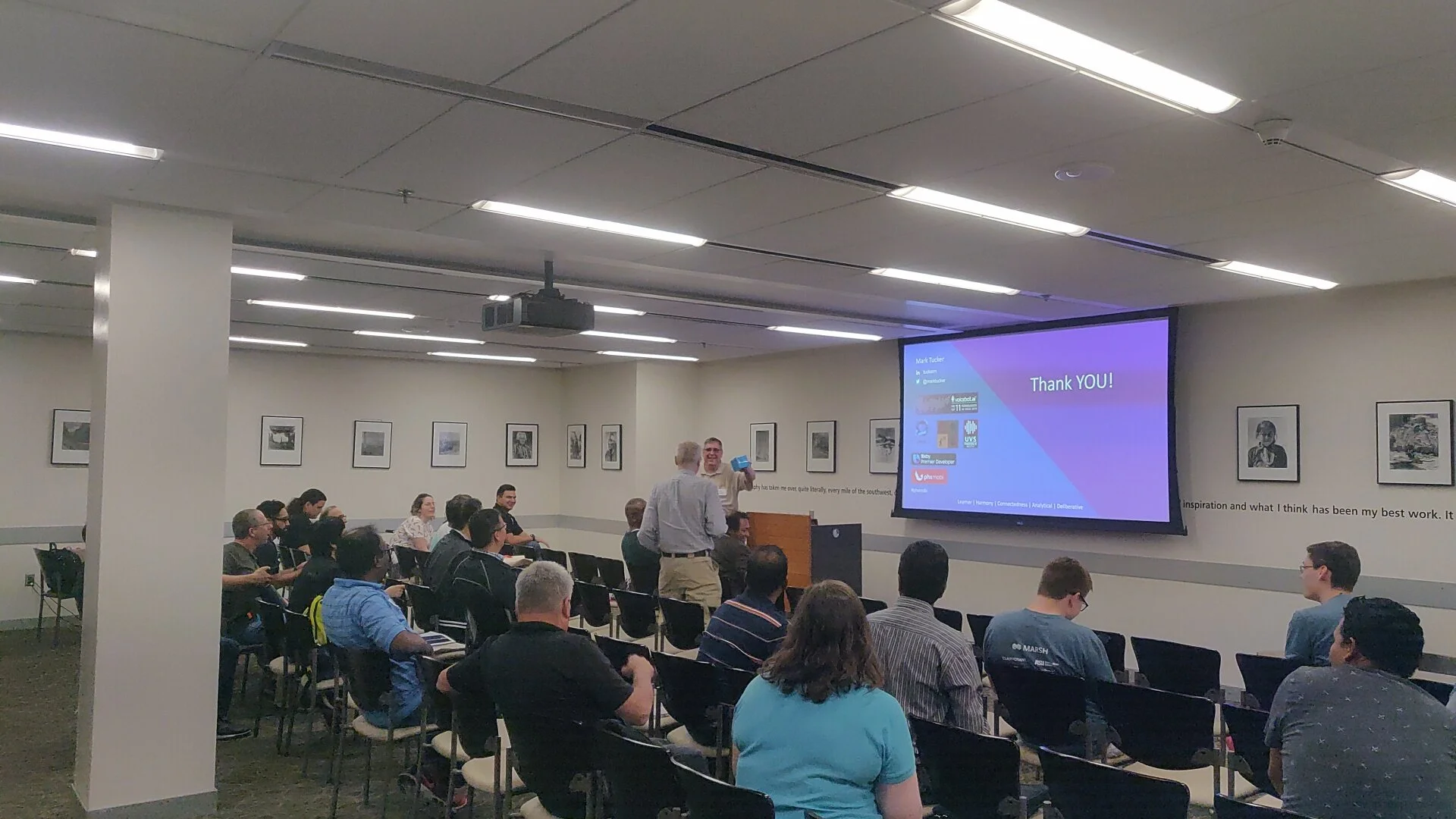



Citation: Katina Michael, William Armstrong, Peter Pohorily, October 26, 2019, “Human Factors in Autonomous Vehicles”, Phoenix Mobile Festival, Memorial Union, Tempe, Arizona State University.