9th Annual International Conference on Ethics in Biology, Engineering & Medicine
What a wonderful opportunity to be at the 9th International Conference on Ethics in Biology, Engineering & Medicine since I was travelling to Florida for RFID2018. I have been trying to get to this conference for a number of years without success. Professor Subrata Saha began the conference series, and this year the host university was Florida International University. FIU's main campus is situated in Miami and this year the conference chairs were Subrata Saha and Zachary Danziger.
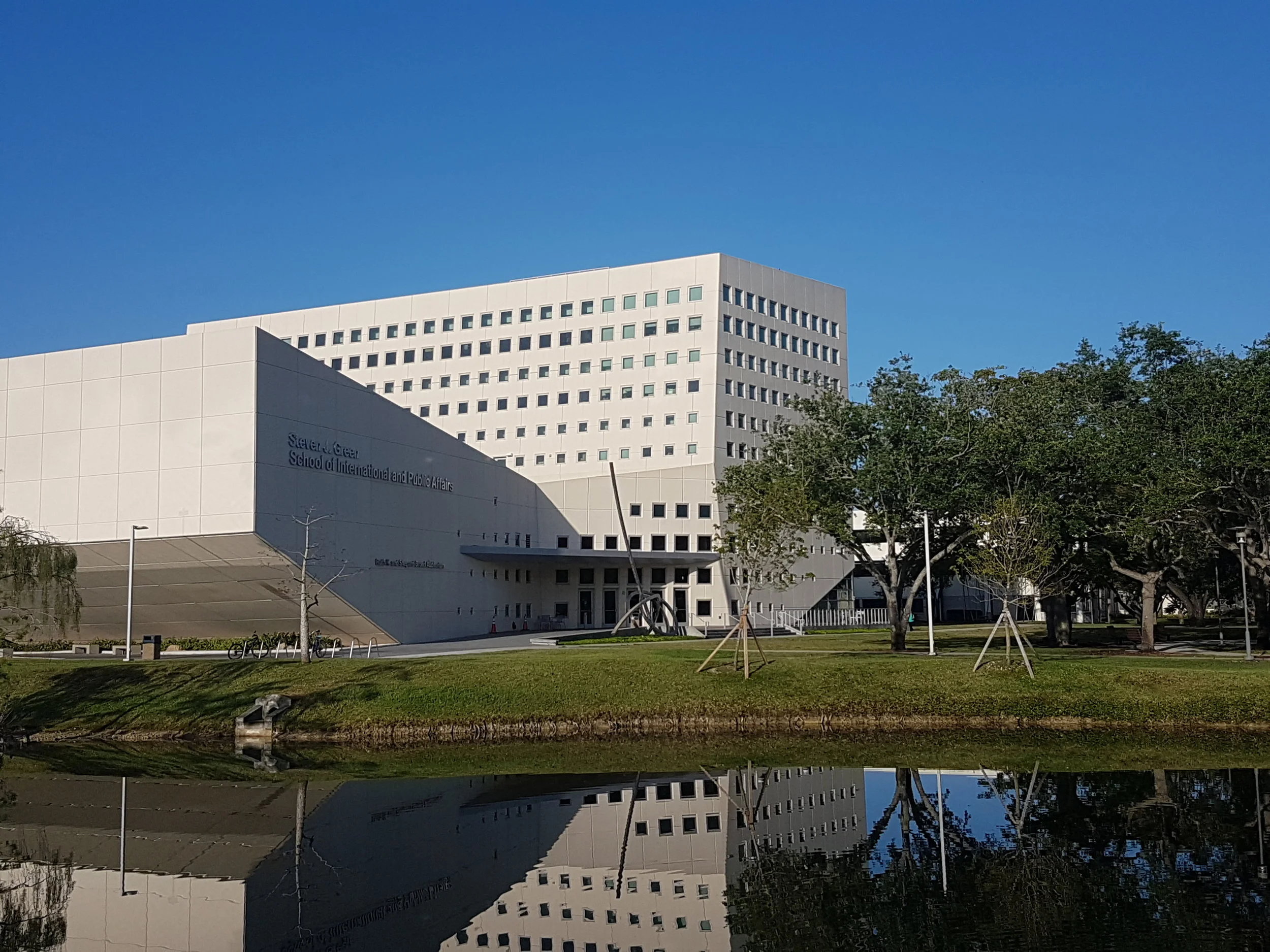
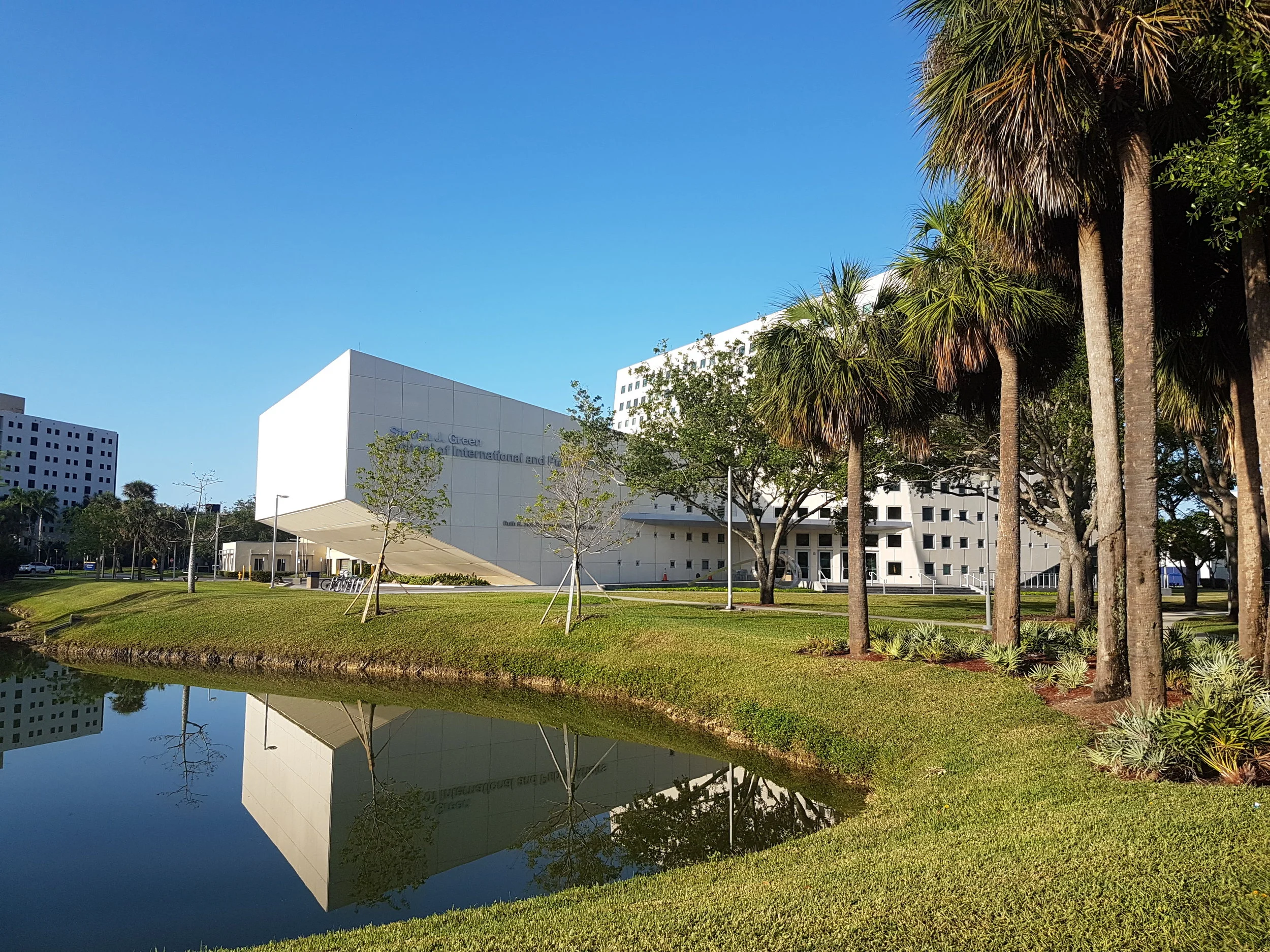
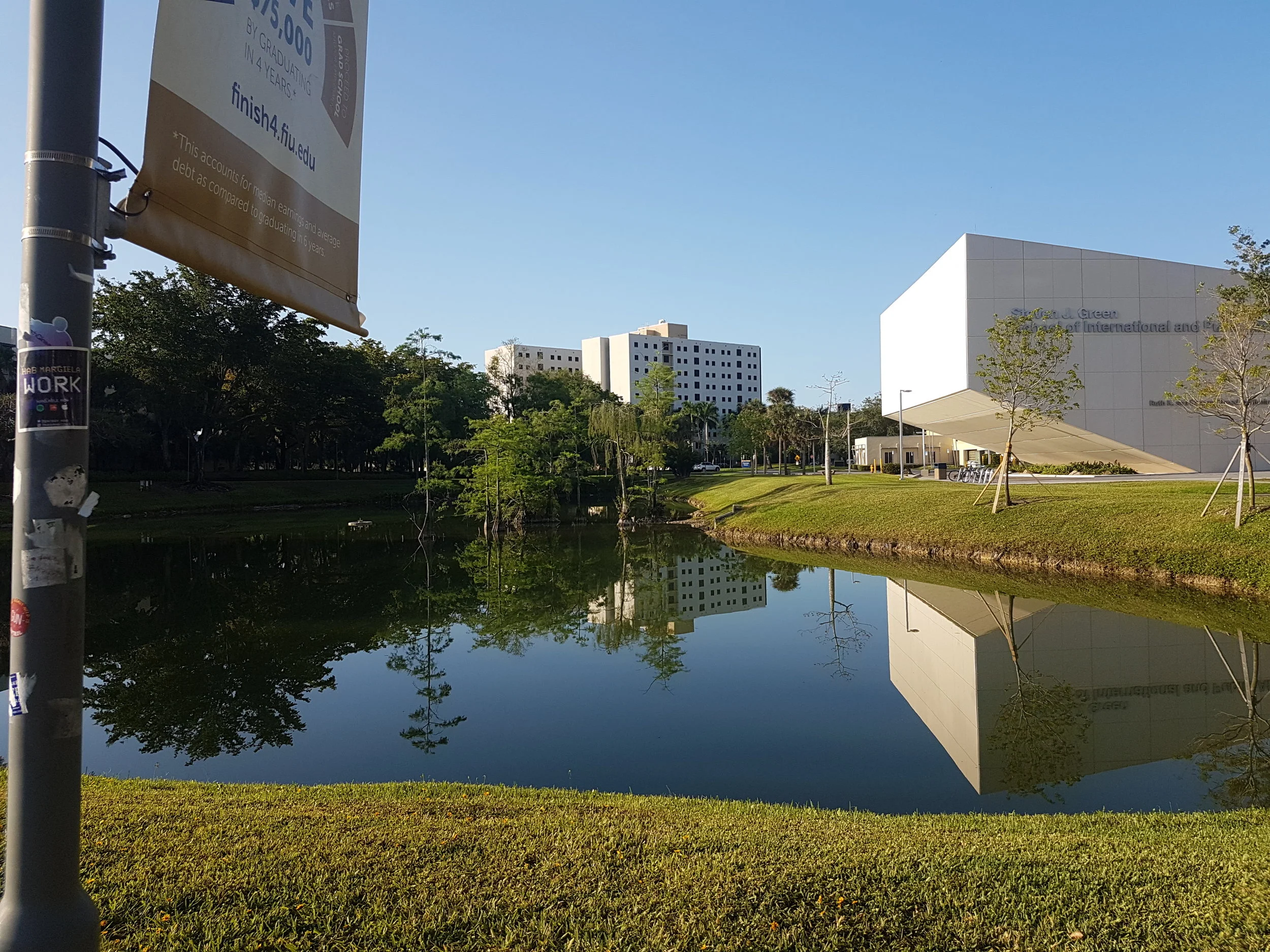
Keynote: Jonathan Moreno University of Pennsylvania
There are some people who can entertain and inform all in the same breath! Professor Jonathan Moreno is one of those people. A self-confessed historian of science rather than ethicist, Moreno breaks down decades of research in minutes with his knowledge of history, science and technology, and national security. He officially holds the David and Lyn Silfen University Professor Of Ethics and is a professor in the Department of Medical Ethics and Health Policy.
The following notes are from Jonathan Moreno's talks. I took the notes as accurately as possible but surely I have made errors on occasion of transcription, sentiment or context. For this I take full responsibility. But I managed to capture some of the audio of the presentation. Of the greatest value I received, is a reassurance that my own research in this space is richer for its multidisciplinarity, and while some may not see its relevance yet, the time is fast approaching (almost here now), where we will become preoccupied by ethics first and foremost in the development process of any kind of scientific or technological endeavour.
Mind Wars – Jonathan D. Moreno
Brain science and the military in the 21st century
- National security and the brain before neuroscience
- Psychopharmacology
- Non-invasive imaging
- Brain-machine interface
- International law
- Ethics
"The Silence of the Neuroengineers", Nature, 2004
- Nasty attack on DARPA
- Given up moral standing—what will be done with your work
- Cheap shot at DARPA—figuring out to get prosthetic arms
- Dual use and multiuse
- Decide what purposes these devices should be put toward
- Multiuse not just single purpose (consider importance of prosthetics)
The Era of “Big Neuroscience”
- Simulate the human brain
- Map activity of neurons
The Human Brain Project (Henry Markman—simulate human brain)
- We’ll believe that when we see it!
Brain Initiative
- Concerned about PTSD, TBI (traumatic brain injury) and dementia in general
- Growth of FMRI
- Imaging
- Dozens of labs and postdocs, grants, publications
In Pharma world there is not a whole lot that people have to offer for these medical illnesses
Diagnostic based approach (DSM) or neuroscience-based?
- Epistemological debate
- Not much in pipeline (severe depression, schizophrenia) with standard drugs
- Pharma buy up small companies that specialise in one or two drugs
PENN Research
- Centre for Neuroscience
- Neuroscience bootcamp—teach about the brain
- Growth in publication in 1990s was explosive and now continues
- Corporate room—law—dalga test for scientific evidence
Cognitive Neuroscience Funding (US Defense, 2011)
- Army $55 million
- Navy $34 million
- Air Force $24 million
- DARPA >$240M
Margaret Kosal, Georgia Tech (5/12/11)
White House BRAIN INITIATIVE FY 2014 (soft side of neuroethics)
Examples of DOD Research Programs, 2016
- Human, Social, Cultural, Behavioral MOdeling (HSCB)
- Army Research Office, Life Science
- Direct neural interfacing
The US Third Offset Strategy $18 Billion FY 2017
- Wonky defense department strategist term
- 1st offset is Atomic Bomb
- 2nd offset was Guided Missiles (First gulf war)
- 3rd offset a grab bag, term of convenience, computational neuroscience, what are they doing in general
- E.g. robotics, systems autonomy, miniaturisation, big data, advanced manufacturing
- Partner with innovative private sector companies
- Manchurian Candidate (1962)
History of brain science loosely understood and counterintelligence
- Sinatra bought copyright… now 1970s cult film
- Rumours… American prisoners of war were brainwashed (South Florida journalist invented term)… hypnotised… one of them would be turned into assassin… and then VP candidate was Manchurian Candidate
- Fairly new drug called LSD
- hallucinogen
- Stumbled on by chemist, in Barren, Switzerland, Albert Hoffman
- Put it on shelf, and then he had visual hallucinations
- 101 age passed away
- POWs had made false confessions committing crimes against Korean
1953, experiments on LSD
- Make a discrete man indiscrete
- Sex, alcohol—old ways are best… get information from people
- Worried about putting LSD into water supply
- This is not new
- LSD in trials
- Cardinal Mindszenty (1949 trial) interrogated
- CIA infiltrated 17 area groups and gave out LSD
Operation Midnight Climax (two-way window)
- Report to the President by the Commission on CIA Activities within the US
- Hottest new tech to put into defense and offence
1950s big thing was hallucinogenics
- Iconic drug from 1960s… but in 1950s was a national security
Operation Moneybags, 1964
- Ebaumsworld.com
- 25-50 min after the drug had taken effect; 1 person was taken away 20 min after
- Using drug to modify behaviour to see if you can find some defences against it
- UK… joint US – Canadian operation
- Letter to Parliament from Secretary of State for Defence, 18 July 1995
- Veterans were upset
- Couldn’t have asked for consent because screwed up experimental design
- Usually it is US get (FIA, second amendment, celebrities get excited about it)
- Jennifer Lawrence to direct chemical warfare film
- Neuroengineering with drugs, 1950s and 1960s
In Florida and California in 1970s…
- Loose… sun, ocean, open lifestyle in Florida…
- New culture developing
- Let’s not do drugs… let’s find natural ways to live on beach and be hippies, and we can learn from war fighters… people talking to dolphins… we can learn how to be Buddhists and warrior monks…
- Army picked it up in the 1980s…
1988 The Mind Race “Enhancing Human Performance”
Committee on Techniques for the Enhancement of Human Performance, The National Research Council, 1988
- Warrior monks
- ESP
- Levitating and second healing and walking through walls
- NRC advised them NOT to continue with this project
- The men who stare at goats
Modafinil (Provigil)
- supplement or replacement for amphetamines
- Antisleep pill (approved to use in 2004 to airforce pilots)
- 60-80 hours
- Shiftworkers
- Epilepsy…
- Speed? But not exactly speed
- Cognitive enhancers… decent meal and exercise…
The trust drug- oxytocin
- Natural production is associated with trust behaviour
- Cuddle drug…
- May be artificially administered in a spray to encourage cooperation
- Use in interrogations?
- Claremont—gave oxytocin would be more cooperative and more trusing
- See Paul Zak's experiment and TED talk
- IN counter-intelligence could you do this with a suspect in a terrorist plot?
- Violation of chemical weapons convention?
- Lawyer—they fight for ISIS, ,they don’t fight under Geneva convention, just give it to them
The Anti-Conscience Pill—beta blockers, depressed … experiences but did not get happy or sad
- In 1990s… give to people before warfighting/combat…
- Hippocampus
- Beta blockers can be used to treat stress, prevent PTSD
- Surpress release of hormones like norephinephrine that help encode memory
- Could they reduce guilt feelings?
- Would we want something like this?
- 1990 brain fingerprinter P300 (recognise a picture) true or false
o FBI have watched some of these
- Visualising memory
o Episodic memory retrieval
- A private company: 7-8 years how using certain device with some electrodes that they can restimulate your memory.. recall of words/events
- Memory retrieval is harder than they thought- these are very distributed
o Alan S. Cowen et al TMS
2014, Neuroimage
- Neural portraits
- Functional MRI
- Clip reconstructed from brain activity
- Presented clip in MRI—then it can be reconstructed
- Can you do this with dream images? Reconstruct dream images?
- T. Horiwaka M Tamai, Science, April 4, 2013
- Neural decoding of visual memory during sleep
- In theory you want to watch your dreams…
- Visual cortex… is big.. .back… a lot of stuff… cheating…
- Reconstructing speech from human auditory cortex
The Roborat
- DARPA project
- shadowlabs.org
- tapping into the rat (whiskers—right and left)
- it does have a choice… but if it does right thing, he gets pleasure centre hit to right or left
- DARPA funded story… how the brain processes these signals
- Seattle brain to brain interface, Doree Armstrong and Michelle like me…
TMS (Transcranial Magnetic Stimulation)
- Transcranial Direct Current Stimulation (tDCS)
- Replace shock therapy
- B Zwissler—make you see something that you didn’t see
- J of Neuroscience, neural modification
- DIY tDCS
o Transcranial experimentation
- Beckman institute in Uni of Illinois
- MIT undergraduate… TMS
- An experiment in the neuroscience of ethics
- That’s terrible… won’t let my girlfriend cross
- After TMS… just asking if the girlfriend is ok
Optogenetics (Stanford)
- Neurons are genetically engineers to carry a protein adapted
- The very hungry mouse (chronically implanted on or off)… getting into hypocalmus
- What if you could link people’s brains together
- Talk to them without pointing, without using a radio
- Computing arm movements with a monkey brainet (linking brains together) at UniPenn
- Arjun 2015 (with Duke Uni previously)
- Fooling cognitive resources
- Pooling electro-resources
- Effective communications… movies better… or hook each other up… like monkeys…juice…
- Beyond better standard array (only in the lab it works, Brown University)
- DARPA: briding the bio-electronic divide (100,000 microelectroarray)… quantum
- Send signals intentionally
- Korea… robosoldier… 10 years… in DMZ… heavily armed… make decisions on battle field…
- Wall Street Journal…
- Needs a “person in the loop”
- Autonomous weapons already been used… moving to offensive world… autonomous lethal weapons…
- Face recognition algorithm finally beats humans… by 1% machines are better…
- UNOG Disarmament conventions
Ethical Challenges
- Are the human experiment rules adequate?
- How can we assess risks and benefits?
International Law
- Human Rights
- Humanitarian
- Disarmament
New Ethical Principles?
NRC, 2008, 2009
- Neuroscience for Army
- Emerging and Readily available tech and national security
- Framework for ethics
The Royal Society report on Neuroscience, National Security
Nuffield Bioethics…
Italy even joining
Q&A
- Getting human cells… neural organoids into rat brains to see if they can get a smarter rat?
- What about the AI world—IBM has a computer beating Go? Why are we not worried with IBM? Why is there NOT a committee?
- Driverless cars? Insurance, risk question at the heart…
- Computers cannot recognise INTENTION
Biggest issues are not consumers but national security
- Wellcome Trust
- The Dana Foundation
- The Greenwall Foundation
- History and Sociology of Science (Penn Arts and Sciences)
- Department of Medical Ethics and Health Policy
- Rockefeller Brothers Fund
- National Institute of Health
Richard L Wilson from Towson University delivers talks at BEC
Technical Problem:
Big data is being introduced in the insurance industry which brings about increased regulations and restrictions regarding customer privacy
Technological artefact, happens to be a watch. Uses it to self-medicate. And then they join a group on Facebook, and the individuals in the group self-medicate. There is no IRB board for recommendations they are making.
Ethical Question:
Should insurance companies have access to the personal information, including health information, that is tracked on the wearable technology devices?
What is a wearable technology?
A category of technology devices that can be worn by a consumer and often include tracking information related to health and fitness
Wearable Tech and Your Health
Wearable tech are becoming increasingly popular
Wearable tech can monitor live movements, heart rate, activity levels
No estimates
Can calculate risk
2016: 275 million devices sold; 2017 have about 332 million
Wearable Tech and Accidents
Wearable tech isn’t limited to things such as watches that record exercise habits
Insurance is wearable cameras
Cameras mounted on cars
Cameras record events, accident scenes
Good training tools
More accurate accident reports
Health insurance companies
Ethical egoism
Rights based ethics
Users concerned about lifelogging (family medical records) being accessed which could result in increases or decreases in premiums
Anticipatory: future- what is it going to look like?
Corporations making the devices
Utilitarinism: if you do what we tell you we will increase happiness and reduce harm/sadness
Surveillance capitalism
Created as a way to track users
User agreements are important
3Billion in 5 hours… selling what you have given them!
The info begins to the company, but data breaches and the changing landscape of the big data create new opportunities
Lawmakers and governments
Rights-based ethics: within a persons right to refuse sensitive data to insurance companies
HIPAA regulations, the rights of wearable users to refuse their health data to private and government insurance
Barriers to Overcome
We need readjustment of ethical principles
Can insurance companies use your data without permission
Someone at work make you track yourself
Recommendations
If not required by insurance companies have access to data on wearable technology, user should sign a consent form
Universal healthcare- do not overcharge healthy people
Government has responsibility to keep people healthy
Tele Surgery and Virtual Reality: Robotic Assisted Surgery Anticipating the Ethical Issues
What is an autonomous surgeon?
- Robot capable of performing multiple surgical procedures without the need of constant human intervention
- Uses feedback devices such as cameras, sensors etc
Recap
Over 40K surgeries have been robot aided in the last year
Programmed to minimise doctor’s intervention
Most common is the da vinci
Cost 1.7 million
Complex surgeries
Not ready for human trials
Where the field can go
Use teleoperated for operations overseas where doctors are unavailable
Possible that surgical robots can replace surgeons altogether
Program robots to perfom surgeries with no assistance
Personalised surgery robots
Primary stakeholders
Surgeons
Patients
Patients who have off site surgeries
Secondary
Technical Problems
They are costly
Some surgeries provide NO benefit for using the robots
What is there is a disconnect mid surgery
If autonomous and something goes wrong no doctor will be present to fix it
Possibility for hacking/and or sabotage
In the Loop- human control
On the Loop- sight of human
Out of the Loop- no human involved
Technical Solutions
Import cheaper parts
Secondary power source
Isolate robot from global networks
Airgap the system
Social Problems
Could conflict with beliefs
Automatonophobic individuals
Some Amish, memmonite etc
An option for the patient to choose whether or not an autonomous surgeon performs their surgery
Publish the trial testing and trial data to the public
E.g. dentist example
Ethical Problems
Responsibility in the event of an undesirable outcome
Non-sentient machines having control over human morality
Alternative motives by programming (intentional harm or death)
Pre-establish legal liability prior to the start of the surgical process
Maintain human surgeon oversight
Require registration of robots and periodical assessments to ensure programming and function
The Bioethics of Implantable Biohybrid Systems
Andres E Pena (rjung@fiu.edu), Ranu Jung
What are biohybrid systems?
Biological systems
Engineered systems
Life changing neuroprosthetic technologies
NeuroDesign
Influence
Access
Promote Learning
There are patterns of neural activity
Exogeneous systems
Biomimetic
Endogenous systems
Multiple scales
Therapeutic and Reparative Neurotechnology
Cochlear implants: success story
Neuroprosthetic device. 300K users worldwide
Paving way for artificial limbs
Control, and feel like these are their own
ANS – Neural enabled prosthetic hand system
Restore sense of touch and proprioception
Implant interface
LIFEs longitudinal …
LEAD system in upper arm
Used to stimulate periphery nerves
Safety considerations
Biocompatability
Reliability
Surgical procedures
Cybersecurity
Designed for comparable . J. Neural Eng 2017
Seamless integration
Ethics of hybridisation and potential impacts
Sense of self
Perception of reality
Restoration vs enhancement
Prosthesis embodiment
Research trials
Loss after failure
Cost and coverage
Access to maintenance
What’s ahead?
Future of implantable biohybrid systems
Closing the loop
Ventilatory assist
Electroceuticals
Visual neuroprostheses
BCI
Adaptive Neural Systems Lab
Some of them linked with materials (may not be able to guarantee neural function). The materials of the implants should last for lifetime of person. Regards of doing neuralstimulation, you don’t expect this problem… not electronics… but stimulation – how will last that for a lifetime.
SCIENCE FICTION on NETFLIX television series: Altered Carbon… chip on back of your neck to live forever… take chip out and put back… based on a book with the same title written by Richard K. Morgan




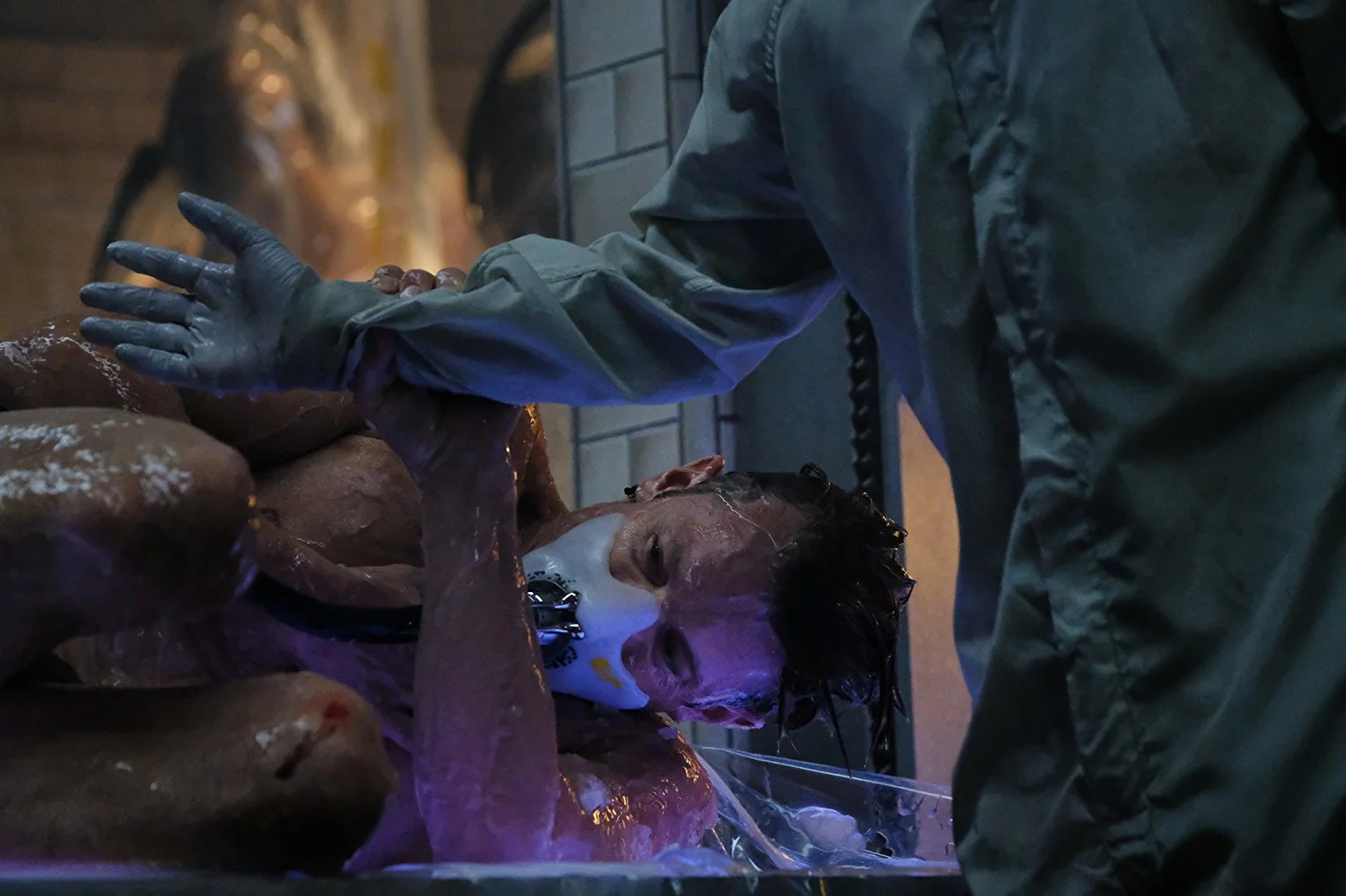
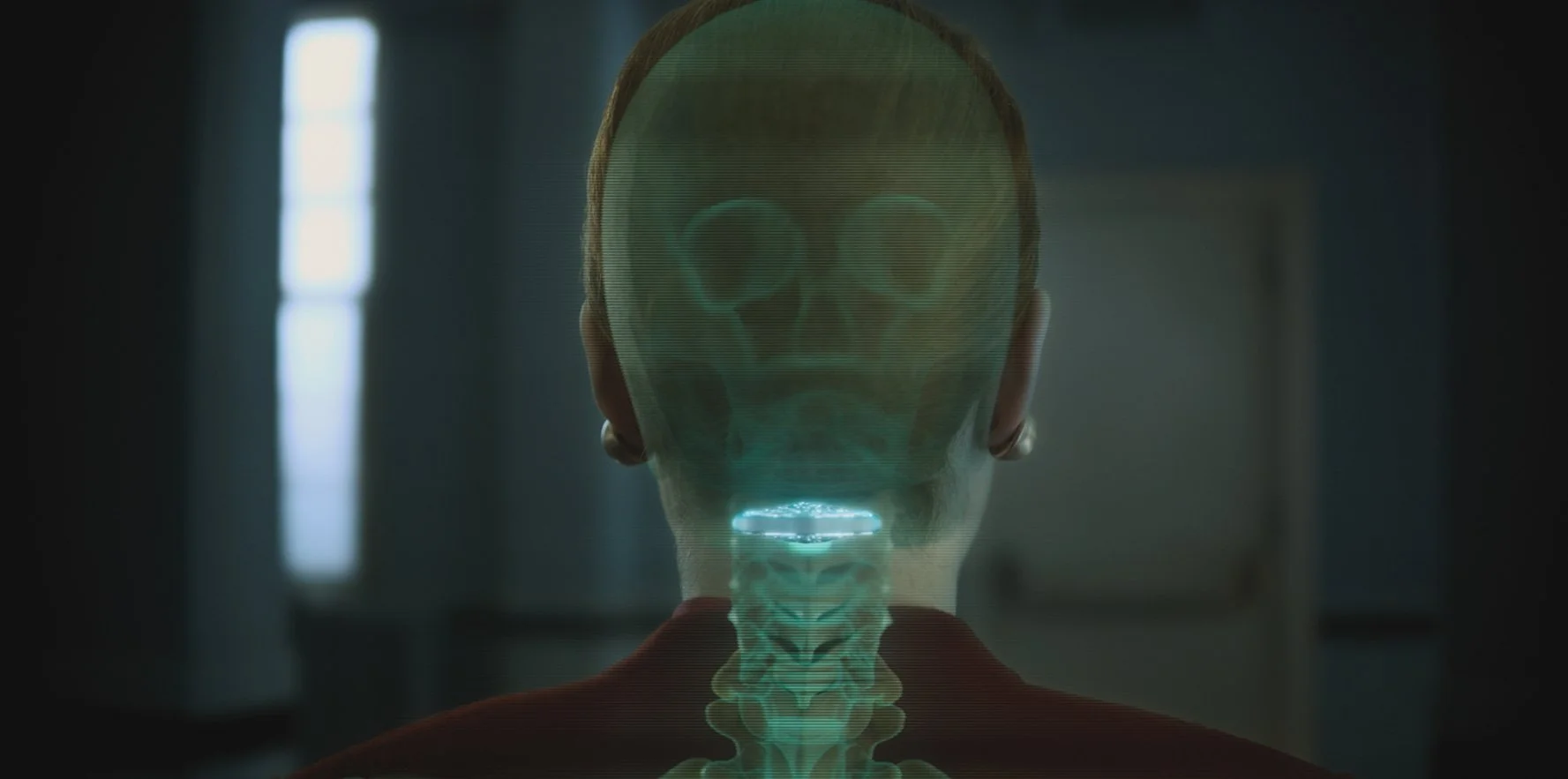


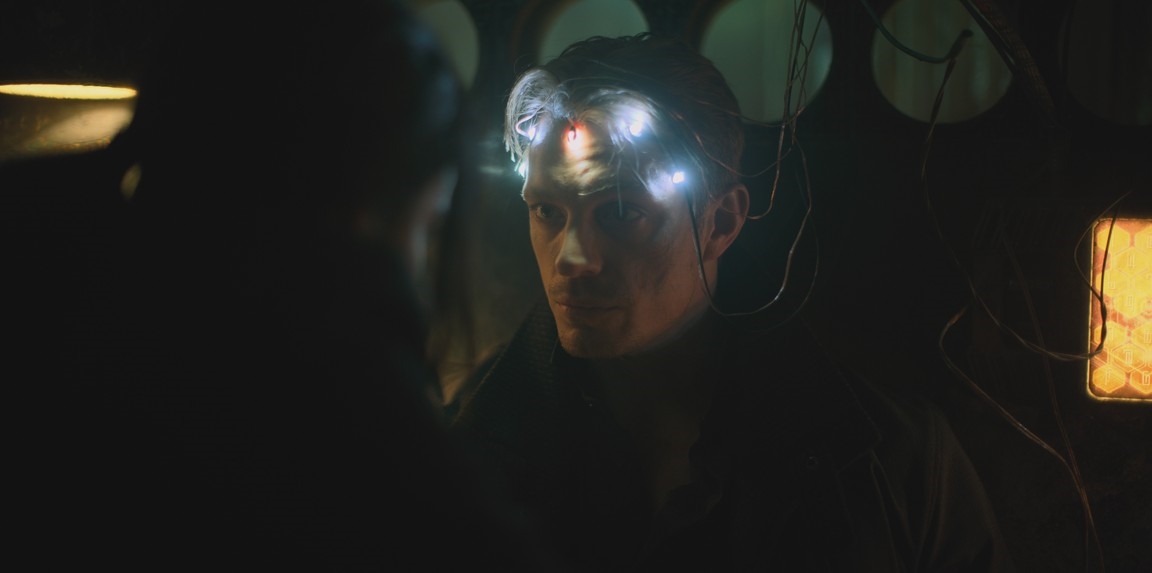
* The graphics from Altered Carbon are placed here in so far as the television series was mentioned by the presenter, simply as futuristic visions.
Reuse of cardiac pacemakers in 3rd world countries… ethical issues…
Inline connector designs
For now just hoping to get sensation back to upper arm for those who have lost it, so they feel that their hand or their prosthetic is actually a part of their body. Using same approach as cochlear implant but for upper arm.
ANS Team at FIU Rocks
The Adaptive Neural Systems Laboratory team headed by Dr Ranu Jung is an exceptional team with a young dynamic group. Looking at the biographies of this team, quite a few of the researchers, including Dr Jung had long standing careers at ASU. Their work is truly inspiring and groundbreaking, and students/ grad students/ and staff have a deep awareness of ethical issues. It is exciting to meet teams like this at conferences who take philosophy and ethics so seriously.
Navigating Ethics in a STEM Training Grant – El Paso
Building scholars for the future of biomedical research
Responsible conduct in research
Identifying an impact
Signs of a sound scientist
Goal: Train biomedical researchers through a multi-institution consortium
Partner Schools: ASU, Baylor, Clemson etc
BUILD students
96 students (60 Female, 36 male)
Responsible conduct in research
Dangers of Research Fraud
Trimming
Cooking
Forging
Goal: provide an experience of research ethics… students take ownership of their research
Active Learning
Participation and activities other than watching, listening and taking notes
Scale Up Space
Students sit in a circle within their groups
Remove barriers
Importance
Sudden introduction into scientific research realm
Bootcamp for incoming freshmen—3 weeks course in Summer
What is ethics? What is values? What are your values? Why are they important?
Scenarios, situations, put themselves in position of principal investigator
How do I feel about it/
Boot camp, research foundations course, research development course
Assessment
Take the CITI module – Collaborative Institutional Training Initiative
Based on RFC Completion
Guage impact of course on students
Pre/post test
Analysis
Methods practising are impactful both for students who are doing the courses as BUILDScholars and those who are doing it as “affiliates”.
Similar outcomes for 2015, 2016
Building Student Identity
BuildScholars have bootcamp and CITI training
Identified only first semester… is the impact same over time?
Students are more active in identifying potential for research misconduct
Have confidence to bring up to superiors
Q&A
“We just want to do research why do we have to do ethics training?”
NIH Video called “Lab” – Dynamic situation… if not following method then there are issues
Biomedical research intro
https://ori.hhs.gov/thelab
Safety training, blood/pathogen, misuse of laboratory equipment
Computer Programming Literacy for Medical Professionals
Teshaun J Francis
Should doctors and nurses learn to code?
Jeff Atwood: “Please Don’t Learn to Code” because of specialisation
Programming literacy should be a requirement but not learning to program
Should medical professionals learn to code?
Computer code is a tool to solve problems
Renovation example:
Organisational tool. Neuromind.cc
Pieter Kubben
Programmingforphysicians.com
TED Talk: clinical decision supporting systems
Data input, manipulation, data output
How technology is being used to teach medical students?
Virtual skeleton
Next generation quiz cards
Not a replacement for cadavers… but there to supplement
Microsoft HoloLens teaching anatomy
IBM Watson Health
“You want doctor’s to teach anatomy”? Not IBM unless they utilised doctor’s to do this
IBM Watson is an attempt to doing diagnostic role of a doctor
Double-blind studies
75-98% agreement with a doctor
It is a tool… not a doctor…
Ibm.com/Watson/health
Watson agrees with physicians…
Teaching Ethics in an Advanced Education in General Residency Program: general dentists UCSF
AEGD. After 4 years of dental school can specialise or go to practice, or do 1 year of clinical training of research
Teaching ethics to dental students is really difficult, disengaged of residents, irrelevant etc.
Dental students getting trained from ethics is decreasing in hours…
Basic training but in postgrad, it is little. The framework is absent.
Residents presented cases every week based on personal experiences while they were in residence!
Mean number of contact hours of ethics instruction is around 26.5 hours- undergrad
In postgraduate only about 15 hours
“Ethics is important, but our curriculum is already crowded and there is no room for ethics teaching”
“observing how seniors do it”
“learnt at home with family, not at school”
What is ethics?
“when in doubt it is probably not ethical”
Five fundamental principles
Patient autonomy: informed consent, what is treatment, risk, benefits, costs, alternatives in layman’s terms
Nonmalficence: do no harm
Beneficence: to do good, patients get treated in time
Justice: duty to provide dental care no matter who it is
Veracity: dentist-patient relationship based on trust and truthfulness
· About 36% of schools ONLY teach this
What happens when a patient comes in and has issues with sensitivity in front teeth… teeth issues, decay, cannot pay… anxiety as victim of domestic violence… temporary crown… and then dismiss… what do you do?
“Termination of Care”: cannot terminate midway; cannot withhold records
Resolultion: new resident will complete front 6 teeth, and do not take on new responsibility unless she pays up. Need to be stable. Provided care. Did not do harm.
Began Jan 2017 to Dec 2017.
Personal clinical cases: 11 residents, plus students, academics and risk management office
Conclusion
Vertically integrated ethics curriculum is being proposed
Ethical reasoning
Common ethical challenges
Opportunity to discuss ethical dilemmas “on the fly”
Available resource consultations
Practice management implications
Designing a case based didactic program
Goals of care
Understanding informed refusal
California Ethics Law
Informed consent and presumed consent—did they sign?
I was lying down and vulnerable at mercy of a dentist—lawyers get in
Truth is that students are serious about the clinical training—they are in the field. Do they block the Friday morning from residency, where the whole day could be used for integrated learning.
Increase from 26 to 100 hours on ethics…
Research Ethics Training for Rising Researchers – Eman Ghanem, Sigma Xi
Research misconduct
Data management The responsible handling of data
Staying professional: collaboration, mentorship, authorship
Disclosing details: confidentiality and conflict of interest
Respecting research subjects: bioethics crash course
Staying cool: understanding research pressures and consequences
Research Ethics Jeopardy
· Modules were 30 minutes each
· Activities: Case study, discussions, Game: around the lab, ethical or unethical
Necessity of Animal Research Ethics
Humane treatment is essential in research
Reduction (# of animals), Refinement (improve techniques for harm/stress), Replacement (simulation, computational models)
Involve other collaborations- like vet courses, to destroy less animals
Idea development, protocol development, grant app, review, experimentation, data analysis, result interpretation
Greatest contribution when anatomy and physiology is similar to human
How to establish link?
Communication programs
Incentives
Research Experience
Animal suffering and distress can be reduced by collaboration
Data Ethics and Computational Bioscience
Kenneth W. Goodman (Miami University)
https://ethics.miami.edu/about/people/faculty/main-faculty/kenneth-w-goodman/index.html
Many sources of data collection and sharing that are morally obligatory
Population health science has always been
Information-intensive
Able to presume the consent of its beneficiaries
Utilitarian
Technology, scientific advances, beliefs about how the world is?
Let’s try that?
History of pharmacology
Raising questions for applied prescriptions in x or y
Blood letting questions?
We try to organise this through scientific theory
Blood, phlegm, Red, green
George Washington was famously killed by his surgeons who over-blood letting
Surgeons over physicians…
If you don’t know what is going on inside DO NOT cut it out.
Film called THE PHYSICIAN with Ben Kingsely
Organ transplantation, autopsy, necromancy, mutilation
What is the role of religion?
What about keeping dying people alive for a transplant…
Destination therapy and not “bridges”
Is that an appropriate use of a technology?
Resuscitate every dying patient?
End of life care
Probability of futility AND amount of suffering the child would undergo
Dying with more suffering…
Texas Advanced Corrective Act
Cleveland Clinic Institution—but not in Florida… it is too weird here…
Broader application of data
Precision medicine, personalised medicine, ekmo, ASV devices, end of life, duty of care etc
If you just use population health to help people it would be major to save many people in the globe with CLEAN DRINKING WATER
“Is it selfishness? Not love…”
Secondary gain: “if she dies, the social security $ will stop”
Population health—need more information
(Paracelsus)… pattern in the data… respiratory illness when they were in mines… correlation
John Snow… dot on a map… data collection without consent… did he stop the epidemic?
Removed the pump… gun show epidemiology
Information intensive
Epidemiology in the era of big data. Epidemiology 2015
More human lives will be touched by technology than anything else…
Privacy vs science
Privacy and confidentiality were never seriously considered to be hard barriers to sharing and analysis
Reductio issue (left toe example)… can you help others with same problem?
Biomedical research has long relied on the work of trusted entities to collect health information
Security, de-identification, anonymization, pseudonymisation
Vague Nomenclature
Cloud is a metaphor
Data is used sloppily—knowledge, information etc
Big data
Ethical concerns should focus on decision support- given variable data and database quality, uncertainty
Appropriate user and users
Data sharing and interoperability
5mb computer in 1956 pic.
Privacy
Is not an absolute right
Must therefore be balanced again other right, including a right to benefit from science
Information Free-Riders
Emphasise rights…
Analogues
Vaccine refusers
Organ donation
Infrastructure support refusers
Health and privacy
Smart laws and policies
Recognition of duties to collectives
Learning healthcare systems
Public health analogue “duty to treat”
Trust
Role of Ethics
Illuminate the force, scope and limitation of rights
Identify and balance conflicting rights, and rights and duties
Identify and justify duties
Precedents
Management and governance
Balance health, data, privacy
Identify best practices
Develop revised IR-like review entities
Consultation capacity for risk communications, decisions under uncertainty
Agreement and civil society
DNA, epigenome, life going through illness, and exposure to all thinigs in world…
Social determinants of disease…
Scandanavia—clinical care/ research? Health insurance provision?
Health care provided for everyone? They affect the health of populations. Buy insurance?
http://science.sciencemag.org/content/343/6176/1203
https://ethics.miami.edu/about/people/faculty/main-faculty/kenneth-w-goodman/index.html
Understanding cases within profession (Wade Robinson)
Edward Tufte’s compelling mistaken reading of what went wrong with the Challenger.
https://www.edwardtufte.com/tufte/
https://www.edwardtufte.com/tufte/books_vdqi
Challenger ‘O-rings’ safety in the Challenger: the astronauts were killed by impact not by explosion
Tufte blamed the engineers- if they had done a scatterplot they could have worked it out
You can see increasing risk of damage
The ascending curve of risk
If proper scatterplot done, no one would have risked to launch the Challenger in such cold weather
“They didn’t know what they were doing, but they were doing a lot of it”
Big thing is that NASA launched BELOW 50 C at 40C.
Research Misconduct in FDA Regulated Clinical Trials: What Not to Do
What is research misconduct?
The falsification of data or results or recording and reporting
Deviation from established protocol- data doesn’t reflect what you were studying
Violation of human subjects and rights
Plagiarism
How did definition happen?
Third Reich
Nuremburg Code
World Med Assoc Declaration of Helsinki
Tuskugee Syphilis study and Belmont Report
US Government Oversight
DHHS (office of human research protection)
USFDA
How did FDA get authority?
Thalidomide incident in 1950s (Francis Kelsey)
1962 Amendments (Kefauver-Harris Amendment)
What does FDA do to ensure research misconduct does not occur?
Inspection/audit
Ethical standards
Regulatory requirements
What is FDA looking for in regards to ethical standards and regulatory requirements
IRB approval
Informed consent
Required reports by IRB
FDA Research Observations
FDA investigators cite observed deviations from regulatory requirements
What happens after observations are reported?
Observations by FDA investigators are passed through multiple levels of review before a final classification
FDA Clinical Investigator Action
Warning letter and nidpoe
Get in trouble—this is big issue
Only usa
University of Pennsylvania Gene Therapy Trial
https://en.wikipedia.org/wiki/Jesse_Gelsinger
https://www.ncbi.nlm.nih.gov/pmc/articles/PMC81135/
Objective: treatment for OTC deficiency
Prevents proper elimination of ammonia
Death in the trial within 96 hours
1999 Nov. 1.5 month Clinical Investigator James Wilson
Letter highlights
Based on all the citations that happen
Did not follow protocol
Should have STOPPED clinical trial… 5 increases of therapy before subject died in cohort 6!
They did not tell the patient ALL the information.
University College London Medical Device Implantations
Situation
In humans
Strict regulatory oversight—safe for humans
No IRB
Results: Deaths of guinea pig subjects
Termination of researchers employment
Regulatory and criminal investigations
Bial-Portela Clinical Trial
The investigators didn’t do anything wrong, this was just a poorly designed trial
Cohorts were overlapping
Higher concentration
Real time data wasn’t coming in and subject died, and others ended up with brain lesions
Conclusions
Regulations
Clinical investigators
Laboratories
Irbs
Sponsors
Sponsor-investigations
Written to prevent issues that have previously occurred
Human subject rights protection
Assurance of data validity
Inspections and Audits (FDA, OHRP)
Ramifications
Death
License removed
Dr Sheldon Krimsky
http://emerald.tufts.edu/~skrimsky/
Monsanto Litigation Documents
Integrity of Research journals
Crisis in Credibility
Contested issue between science and commerce
Can it affect public health
Corporations have a different view of science- one of many inputs to production
Science just one of inputs into production function …. Lead, asbestos, BPA, tobacco (lobby against)
IARC, WHO Report 2000
DSM-IV: panel members had conflicted interest when they produced categories
100% panel on mood disorders, schizophrenia etc.
“On the Take”
Jerome Kaiser
Conflict of interest and scientific journals
Can you believe what you read
Funding effect in science
The Monsanto Litigation
Specialised cancer research arm of the WHO, reached a determination chemical glyphosate-based herbiside
More than 270 of the cases have been consolidated multi-district litigation for oversight by 1 judge in the US District court of San Francisco
3,500 plaintiffs
Multi district litigation
Monsanto’s Web site on Glyphosate—does not have adverse effects to humans, wildlife and environment (hodgkins lymphoma IHL)
Rightoknow web site
Corporate behaviour
Ghost writing: that is how they do business. EPA referenced. Determination 2016, glyphosate was not likely carcinogenic
They hired Intertek Scientific & Regulatory Consultancy
Undo influence of regulatory agencies
Undo scientific journals…
Unethical to ghost write journals!
It was published by Toxicology articles
William Heydens… disclosed this
Editor in chief got money for this from Monsanto!
JFCT- retract or remove the journal… paper retracted after 1 year
“results were not definitive”… paper retracted but as soon as it was another journal published the article
Who should a journal editor review—an employee of Monsanto review a paper about Monsanto
When vital public health reports are published in refereed journals there is a heightened expectation that they meet professional standards of scientific integrity. Those standards include full disclosure of conflicts of interests…. Sources of funding….
The Lancet--- 3 positive reviews, and one so-so… “not a priority to publish”
Ethical Guidelines for Authorship- Subrata Saha
Gift authorship; ghost writing
Millikan Oil Drop Experiment: https://www.youtube.com/watch?v=XMfYHag7Liw
Fletcher and Millikan share but each sole authorship
The Journal of Bone and Joint Surgery
Henry R Cowell 1998 wrote an editorial
Inform patient care
Goal should not be to add to CV but to help
Ideas should be new
Don’t waste space, for redundant data… should be consolidated, not salami?
Prior to the experiments
Informed consent, clinical aspects, cost, statistical method, begun BEFORE we begin
Manuscript written with same patient care in mind than before
Benefits
Career advancement, get grants
Networking
Rights to copyright
Pressure to publish first
Who was first? Discovery
Tenure and professional standing
Problems
Who should be an author?
Advisor and graduated students…
Now many groups collaborate, in group and within nation
All work builds on multiple achievements
Expectation: author wrote it; author did work that was written down; always real data; and results and claims should be accurate; author should disclose bias or potential for COI.
Contributions—interpretation, acquisition of data, drafting, critical, final submission, author should know about it and carefully review it
Take responsibility
Financial disclosure form
Should not be allowed to publish
Who is not the author?
Just because someone got funding but played NO role in design or rationality of study then should not be author
General responsibility for lab—not enough for author
Just because they have the data—not enough for author
Other authorship issues
Redundant information
Duplicate papers
Still a problem: divvy up work, order of authorship, etc Avoid conflict by meeting from outset and publishing paper.
What are external regulations?
Self-plagiarism—is this plagiarism?
Hire agreements
Biomedical Device Risks and Non-Medical Implantable Risks by Katina Michael
Slides available here.
Audio of my presentation here.