Gender Responsive Standards Initiative (GRSI)
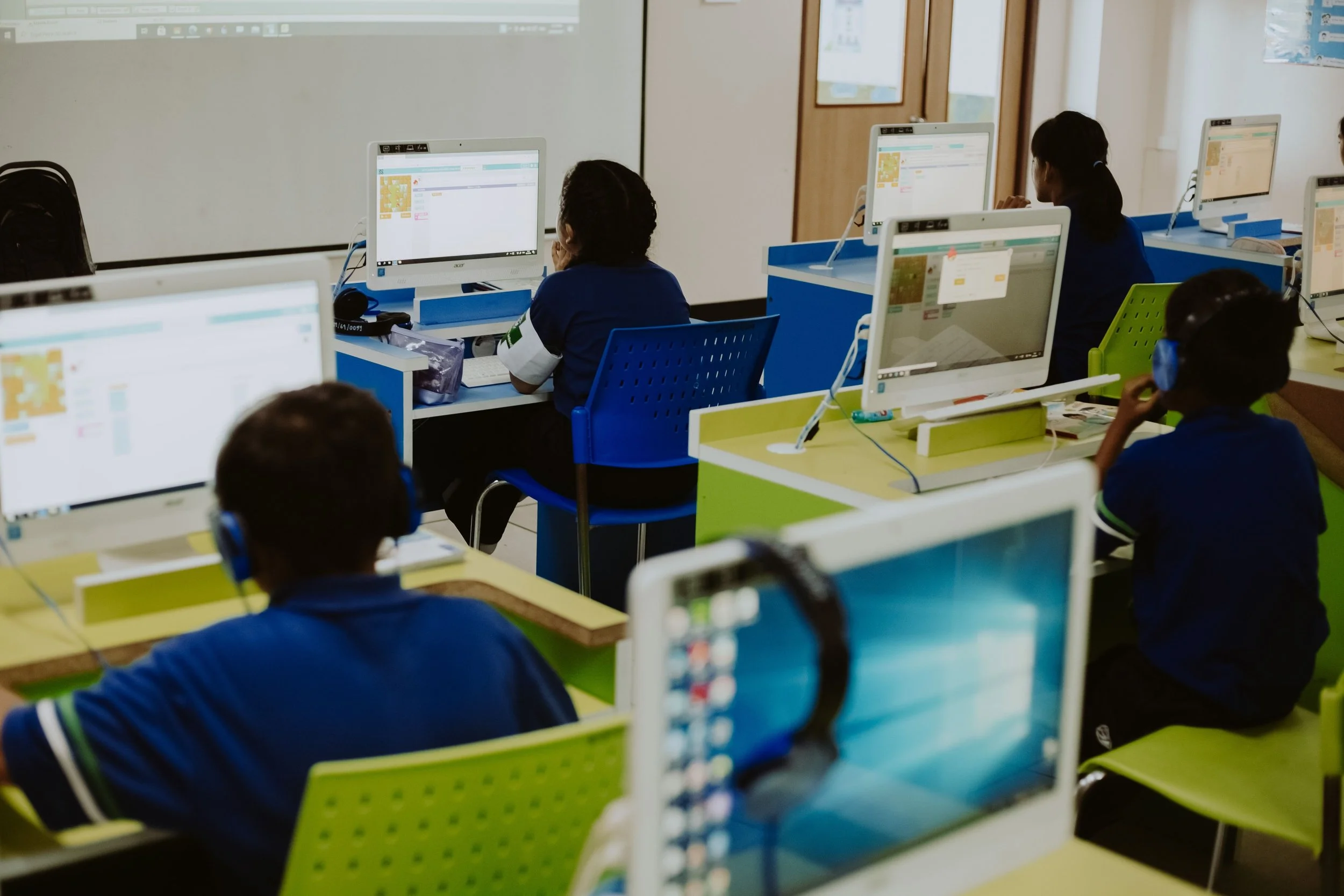
Photo by Ron Lach
Session 2:
Moderator: Stephanie Eynon, Head of Standards - Makers Engagement & Inclusion, British Standards Institution (BSI) & Lead of ECE-WP.6 GRSI
Panel 2- Closing the Digital Divide: How Standards can Strengthen Digital Literacy and Improve Access to Digital Technologies
PANELLISTS
-
Dr Katriona O Sullivan - Lecturer of Digital Skills in the ALL (Assisting Living & Learning) Institute, Department of Psychology, Maynooth University
-
Alice de Casanove - Culture Evolution, Intrapreneurship Director, Airbus, North America at Airbus
-
Erlend Øverby - CEO/Founder, Hypatia Learning; Former Chair, ISO/IEC, JTC 1/SC 36 Information Technology for Learning, Education and Training
-
Prof. Katina Michael - Arizona State University, Chair of the 2089-2021, Standard Working Group, Institute of Electrical and Electronics Engineers (IEEE)
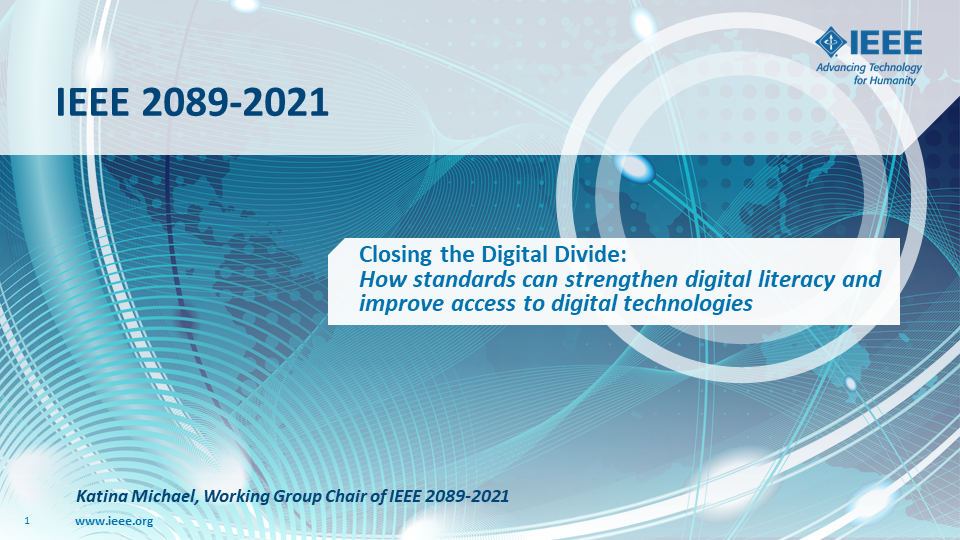
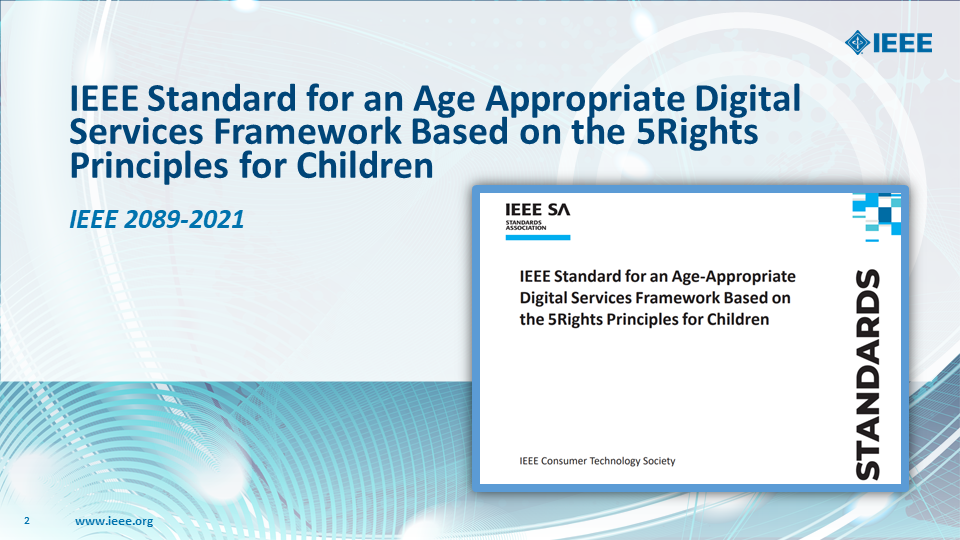
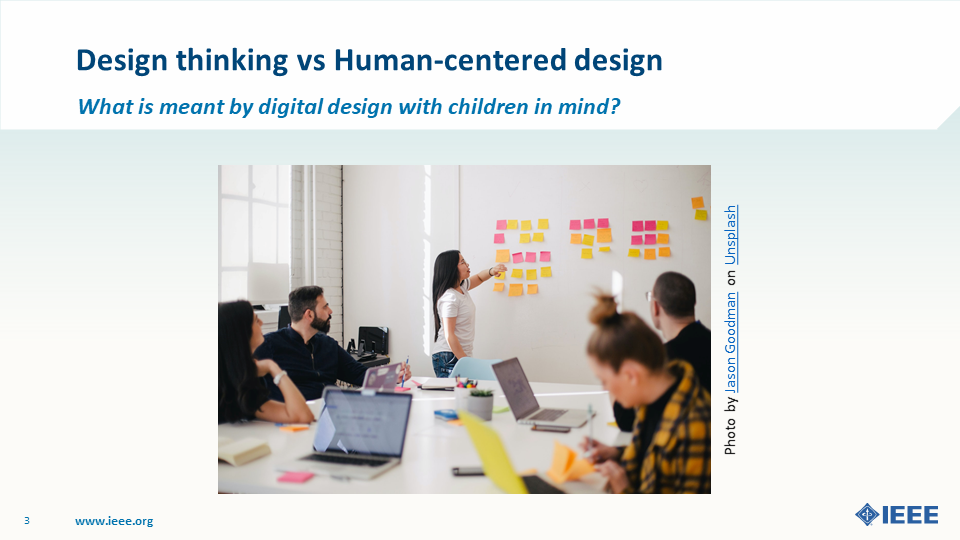
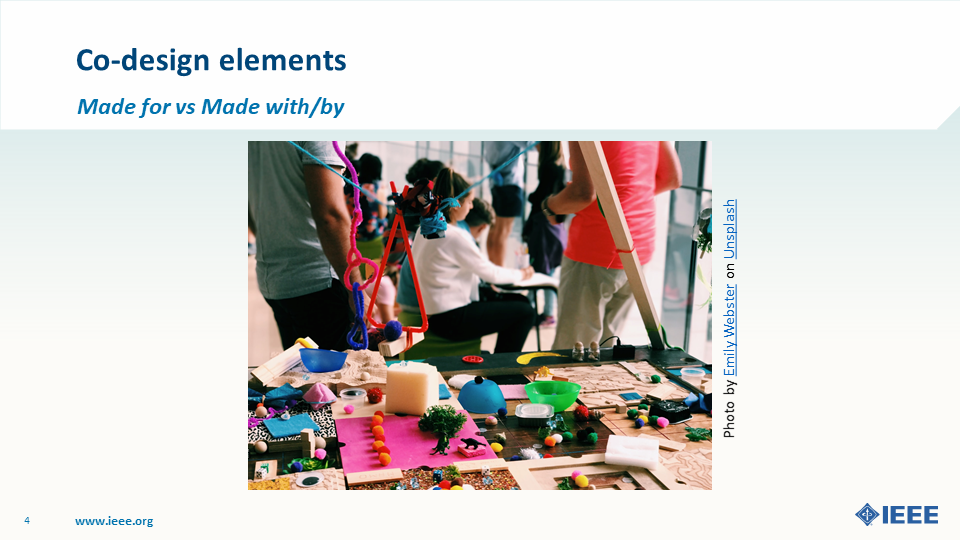
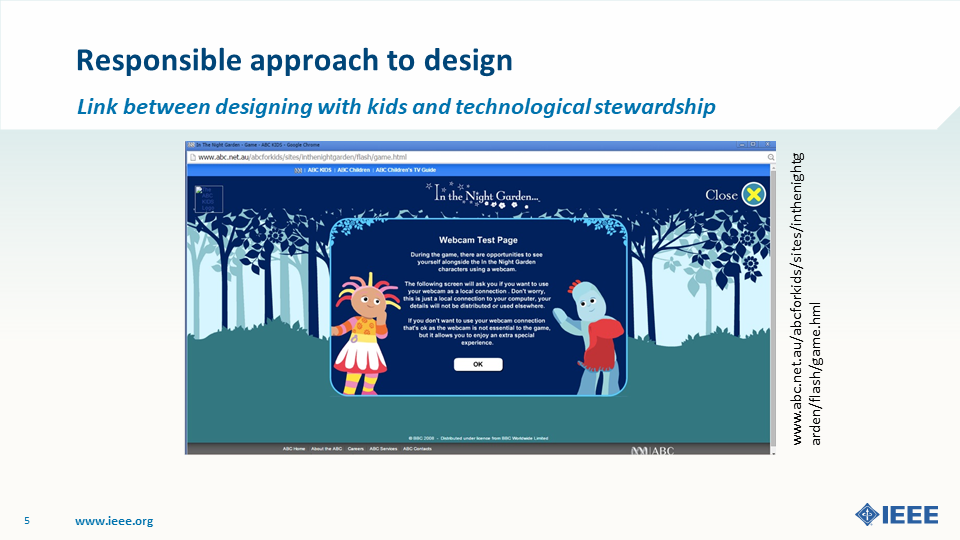
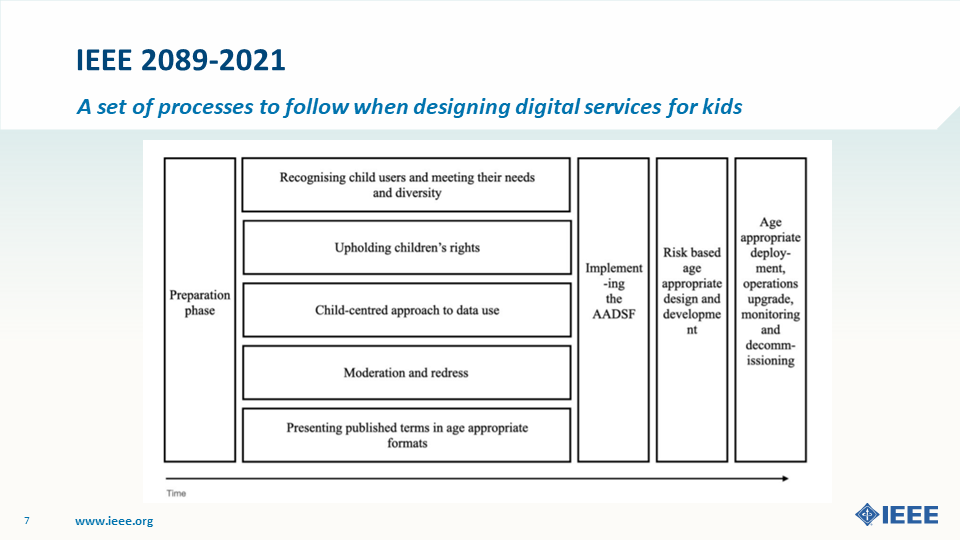
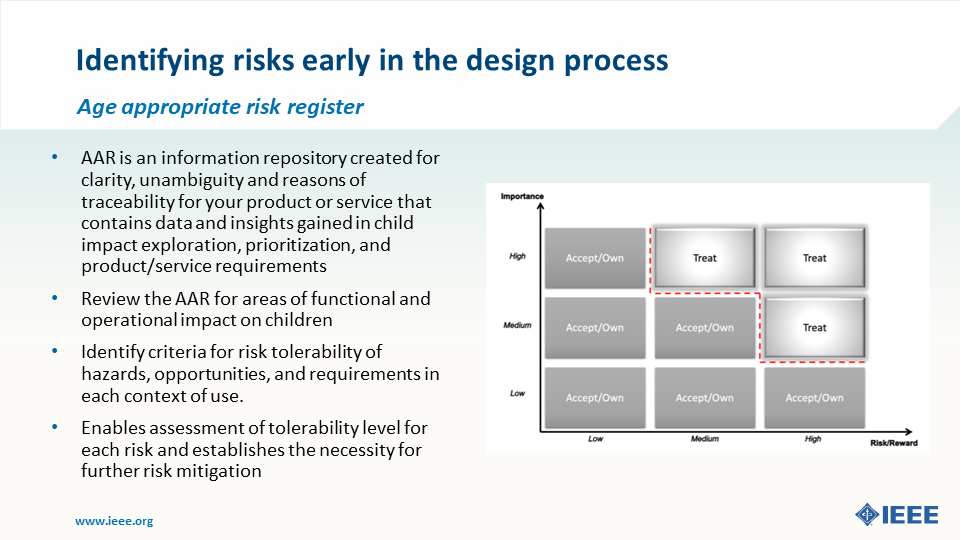
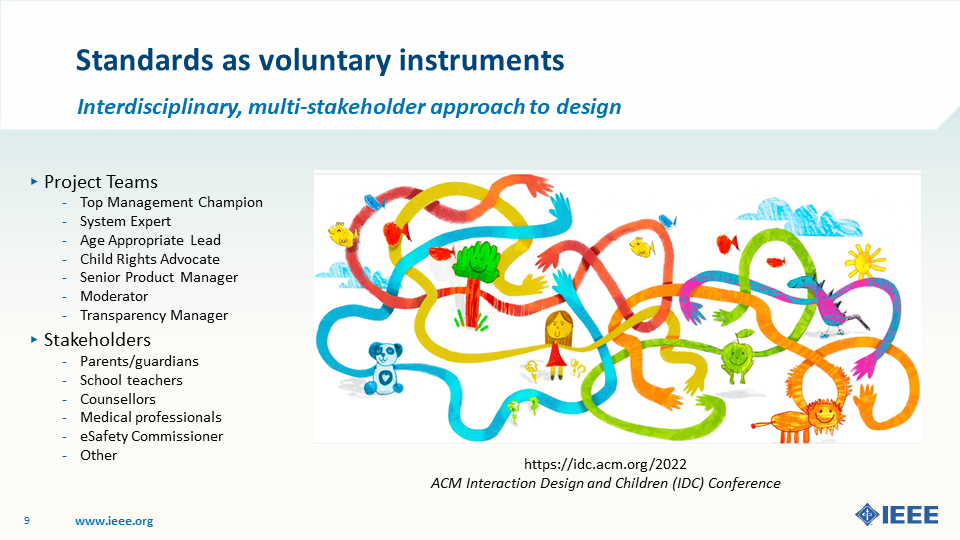
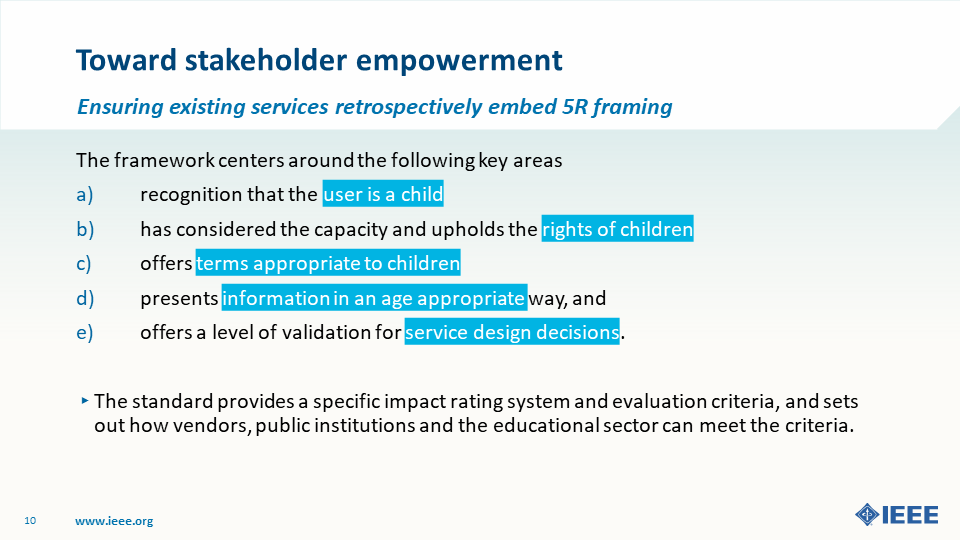
Citation: Katriona O Sullivan, Alice de Casanove, Erlend Øverby, Katina Michael, 8 June 2022, “Closing the Digital Divide: How Standards can Strengthen Digital Literacy and Improve Access to Digital Technologies” with moderator Stephanie Eynon, in Gender Responsive Standards Initiative (GRSI), United Nations Economic Commission for Europe (UNECE) Gender, digitalization, environment: ensuring a sustainable future for all, UNECE Trade Working Party on Regulatory Cooperation and Standardization Policies (WP.6), 3-4pm CEST, https://unece.org/info/events/event/366794
Gender, digitalization, environment: ensuring a sustainable future for all
08 June 2022 10:00 - 17:00
This event is taking place as part of the WP.6 Forum
Standards are extensively used by regulators to set benchmarks for products and services while facilitating trade in line with the objectives of the World Trade Organization. Beyond that, standards are used extensively by organizations to make products, services and processes better, safer and more sustainable and certification to standards helps consumers to better understand what they are getting for their money. However, in the setting of these standards there is generally no process to ensure that the objectives of the UN 2030 Agenda SDG 5 for equality of women and girls is achieved. The Gender-Responsive Standards Initiative (GRSI) of WP.6 was established to provide guidance, relevant resources and reporting progress to guide standards development bodies to ensure that future standards are gender-responsive and thereby give confidence to regulatory agencies that the use of standards will achieve the objective of UN SDG 5.
During this annual session meetings of the GRSI, we will take stock of best practices in gender action plans of standards development bodies in order to promote peer learning and identification of solutions which can be replicated. The initiative will designate a champion model solution and showcase it on its website for the coming period.
In the afternoon (Geneva-time), the GRSI proposes a panel discussion on the theme of digitalization, the environment and the importance of gender in creating a fair and sustainable future for all. The pressing nature of climate change has started to become the primary imperative for organizations, sometimes at cost of gender equality. We will discuss the interconnections between digitalization, environment and gender and examine why they need to be linked. If we move towards a future where gender has not been taken into consideration, we risk creating a future which has not fully benefitted from women’s contribution, continues to leave women behind and which does not achieve optimal results with regards to sustainability. We will look at green technologies, such as hydrogen cars and/or artificial intelligence, and assess what is being done and who it is for and whether a gender dimension has been included.
This meeting is open to any interested parties. All types of standards development organizations as well as decision-makers from both the public and private sector, individual experts, academics, trade and professional bodies, non-governmental organizations etc. are encouraged to participate.
For additional information, please consult the event flyer here.
General agenda
10:00-11:00 Administrative (examining PoW 2022, achievements, what needs further work, PoW 2023, preparing report for the WP.6 Annual session)
14:00-17:00 Panel discussion “Gender, digitalization, environment: ensuring sustainable future for all”
-
Moderator: Stephanie Eynon, Head of Standards - Makers Engagement & Inclusion, British Standards Institution (BSI) & Lead of ECE-WP.6 GRSI
Panel 1: Setting the Scene: The intersection of standards with gender, digitalization, and the environment
Panel 1 will examine the interconnections between digitalization, gender, the environment and standards, and debate how these fields are linked and what further might be needed. Panellists will further explore the implications of rapid digitalization and the implications of adopting gender-responsive standards.
-
Amelia Andersdotter - Founder, Dataskydd.net; former standards expert ARTICLE19
-
Ilaria Mariotti - Lead author of UNDP’s guidance "Gender Equality in Digitalization"
-
Pamela Tarif - Head of Global Engagement, Environmental Coalition on Standards (ECOS)
-
Alyson Fick - Manager, Technical Committee Operations (TCO) Division, ASTM International
Panel 2: Closing the Digital Divide: How standards can strengthen digital literacy and improve access to digital technologies
Panel 2 will discuss the important role of standards in improving access and use of digital technologies. Panellists will examine the many determinants of women’s digital exclusion and the need for standards to drive innovative solutions.
-
Dr. Katriona O'Sullivan - Lecturer of Digital Skills in the ALL (Assisting Living & Learning) Institute, Department of Psychology, Maynooth University
-
Alice de Casanove - Culture Evolution, Intrapreneurship Director, Airbus North America at Airbus; Founder and former chair of the ISO TC 279 on innovation management
-
Erlend Øverby - CEO/Founder, Hypatia Learning; Former Chair, ISO/IEC JTC 1/SC 36 Information Technology for Learning, Education and Training
-
Prof. Katina Michael - Arizona State University, Chair of the 2089-2021 Standard Working Group, Institute of Electrical and Electronics Engineers (IEEE)
Panel 3: Gender bias in advanced technologies: The important role of standards in reshaping the digital future for all
Panel 3 will identify potential risks posed by the encoding of gender biases in new technologies and how advanced technologies, in the absence of women’s participation in the digital space, may compound existing socio-economic challenges. Panellists will discuss the potential of standards to drive social and economic outcomes for women.
-
Mai Mavinkurve - VP, Data at TradeX; Chief Technology Advisor, Innovate Cities; Senior Fellow, Centre for International Governance Innovation (CIGI)
-
Nikki Böhler - Managing Director, Opendata.ch
-
Dr. Allison Gardner - Senior Scientific Adviser for AI at NICE; Honorary Senior Research Fellow Keele University; Co-founder Women Leading in AI
-
Marianna Kramarikova - Technical Officer, International Electrotechnical Commission (IEC)
If you would like to find out more about the GRSI visit:
Gender Responsive Standards Initiative
The UNECE “Gender Responsive Standards Initiative” aims at providing a practical way forward for standards bodies wishing to take a step towards making the standards they develop and the standards development process they follow gender responsive.
The initiative started work in 2016, in response to a mandate by the Working Party on Regulatory Cooperation and Standardization Policies (WP.6).
It aims to:
-
strengthen the use of standards and technical regulations as powerful tools to attain SDG 5 (Achieve Gender Equality and Empower all Women and Girls),
-
integrate a gender lens in the development of both standards and technical regulations,
-
elaborate gender indicators and criteria that could be used in standards development.
The initiative is ongoing, and has held nine webinar meetings and three physical meetings. These events continue to bring together a diverse working group composed of representatives from standardization bodies as well as experts on gender issues and women’s empowerment, representative of regulatory bodies and policymakers, as well as NGOs, UN Organizations and members of the academic community from the entire world. Among others, the following institutions participate:
- International standards bodies (ASTM International, IEC, ISO, ISEAL) national and regional standards bodies (AFNOR, BSI, the Swedish Standards Institute, CEN/CENELEC, the Institute for Standardization of Moldova),
- governmental authorities, regional and intergovernmental organizations (WorkSafe New Zealand, the European Commission, the Eurasian Economic Commission), as well as
- NGOs (BSR, International Gender Champions, L'Association Réseau Normalisation et Francophonie, EDGE Certified Foundation),
- UN organizations (the International Trade Centre (ITC), ITU, UNAIDS, UNICEF, UN/WOMEN, and the World Meteorological Organization) and
- academic and research institutions.
The meetings allow participants to exchange information and best practice about successful approaches to gender-responsive standards development and implementation.
The activities of the Gender Responsive Standards Initiative culminated in the drafting of the Declaration for Gender Responsive Standards and Standards Development. The Declaration invites all standards bodies, whatever their business model and operations modality to pledge to make the standards they develop and the standards development process they use gender responsive by: signing the Gender Responsive Standards and Standards Development Declaration, creating and proactively implementing a gender action plan for their organization and tracking progress, collecting and sharing data, success stories and good practices. The document contains an annex that outlines actions that national standards bodies can include in their gender action plan for gender responsive standards and standards development. It is for each organization to decide what they can / should include in their gender action plan. The list of actions is not exhaustive; it is intended simply to provide ideas and inspiration for gender action plans for standards development organizations of any type.
The Declaration is embedded into a Recommendation that was approved at the 28th Annual Session of the WP.6 on 15th November 2018 and that will be opened for signature at a date to be still decided.
A number of standards bodies have already committed to signing the declaration as soon as it is opened for signature.
The GRSI has developed practical advice for standards developers on how they can improve the gender-responsiveness of their standards. An advanced copy of these guidelines is available here pending its finalization for the WP.6 annual session in November 2022.