Transnational COVID-19 Cases and Background
Transnational COVID-19 Cases and Background: Mobile Technology Implementations
Katina Michael – @katinamichael
Arizona State University, Tempe, AZ
This spotlight video is 1 of 3 videos attached to the live panel session: The Impacts of Mobile Technology and Regulation in a Pandemic
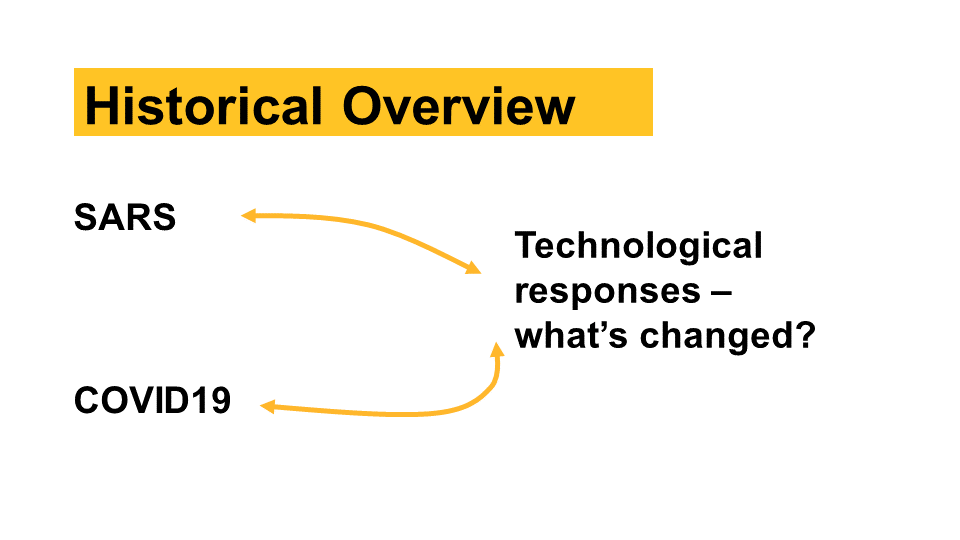
A number of transnational COVID-19 mobile technology case studies focused on aims, value chains, technologies and user adoption based on voluntary or mandatory modes of implementation. The emphasis is on nation state experience with pandemics, the technology selection environment, form factors, application contexts (e.g. self-isolation, breaking with quarantine, health surveillance) and success or failure declarations within a dynamic ecosystems and human-technology interaction framework.









Very proud to have organised this AAAS scientific session along with co-organiser Dr Roba Abbas, UOW. Am extremely appreciative of the support of the first speaker, Associate Professor Rob Nicholls of UNSW and collaborator through PLUSAlliance, ASU-UNSW-KCL relationship. A big thank you to our moderator Joseph Carvalko and respondent Professor Samuel Fosso Wamba.
The Impacts of Mobile Technology and Regulation in a Pandemic
Tuesday, February 09, 2021 | 02:00:PM - 02:45:PM ET
-
Scientific Sessions
Speaker(s)
Katina Michael: Speaker, Arizona State University, Tempe, AZ
Rob Nicholls: Speaker, University of New South Wales, Kensington, Australia
Roba Abbas: Speaker, University of Wollongong, Wollongong, Australia
Joseph Carvalko, Moderator, Yale University, New Haven, CT,
Samuel Fosso Wamba, Respondent, Toulouse Business School
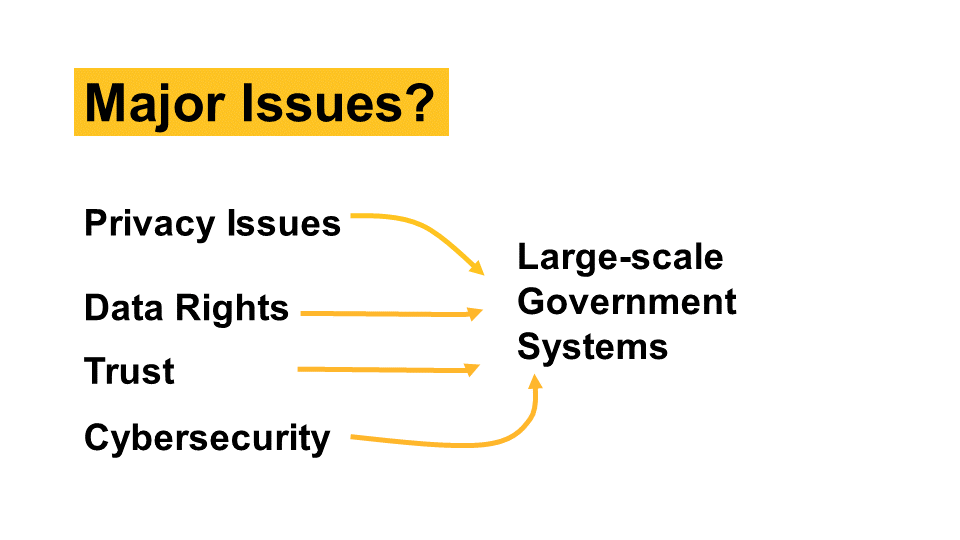
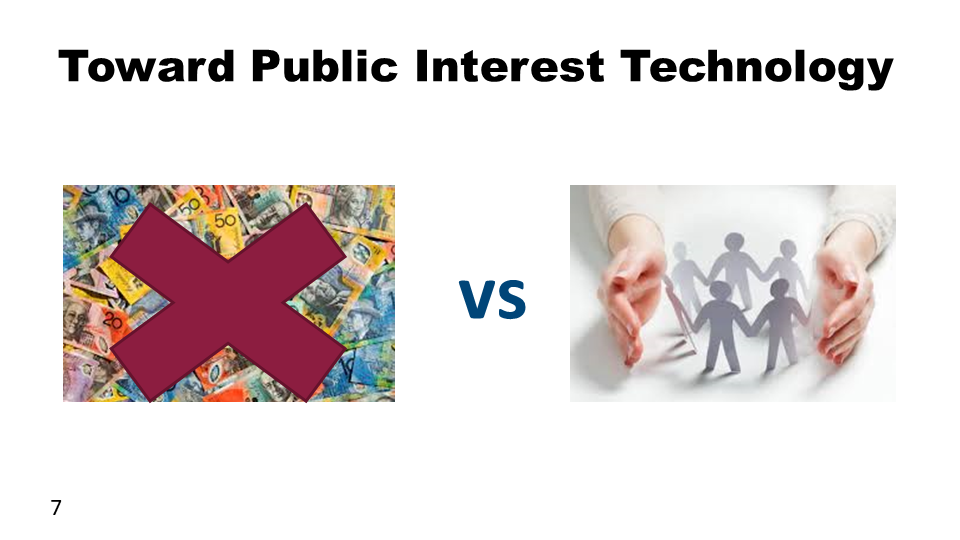
This session will address international technology and regulatory responses to COVID-19 within a public policy setting. The deployment of centralized and decentralized COVID-19 location tracking and automatic contact tracing applications developed by government and industry will be compared and contrasted in terms of their socio-technical-legal design. The adoption of COVID-19 apps will be discussed with respect to economic systems of governance, optionality, cultural sensitivity, social stigma and other issues affecting uptake such as accessibility, language, and usability. Global perspectives on privacy, security, trust, and control will be underscored as significant issues influencing the successful uptake of new mobile apps for the public interest. Non-digital and non-invasive responses to COVID-19, inclusive of manual tracing, voluntary testing, the use of personal protective equipment and self-quarantine practices will also be discussed for effectiveness and viability. An assessment will be provided of the overall long-term strategies employed by nation states to fight COVID-19, emphasizing the need for co-design approaches to technological interventions in future emergency scenarios and situations.
Co-designing for the Future: New Models and Frameworks for Dynamic Ecosystems
Roba Abbas – @robaabbas
University of Wollongong, Wollongong, Australia
This presentation covers lessons learned from the implementation of mobile applications in an attempt to reduce transmission of COVID-19 among citizens. The presentation emphasizes a co-design approach to future application development using participatory models of design and deliberative frameworks. The need to consider non-technical solutions as supplementary to tech applications is highlighted, and a conceptualisation of the dynamic ecosystem notion in the context of COVID-19 is presented.
Socio-Technical and Regulatory Issues Raised by COVID-19 Track and Trace Apps
Rob Nicholls – @Rob2037
University of New South Wales, Kensington, Australia
The content identifies social-technical issues raised by the implementation of mobile technologies and applications in response to the COVID-19 pandemic in a transnational context. Regulatory and legal issues pertaining to laws in biosecurity, privacy, health surveillance, data collection and storage are also addressed across jurisdictions. The perspective taken emphasises issues related to equity, feasibility and viability of new digital solutions in dynamic ecosystems.