Tech 2020 and Beyond
Background
We've hit 2020. We see a continued progression toward the hopes expressed in Kubrick's 2010: A Space Odyssey but is this vision one we wish to traverse in the next 10 years? The real problems we face as a global population will make us more sober with respect to our technological hopes, and in so doing our dreams may be tempered and our tech response to needs actualised. In short, the big tech trends that matter will be about "public interest technology", and not "big business technology". This will be the decade where realities about the tech costs sink in or become "sunk", and we start to think about what we really want tech to do.
When do you anticipate they might roll out/be available to the public? Anything that feels particularly innovative?
I have just witnessed the Australian Bushfire crisis unfold over the last month or so which has wiped out about 500 million hectares of land, and almost 500 million animals. After watching koalas beg humans for water post the destruction of their habitat, and kangaroos fleeing their homes in droves; after witnessing the day turn into night in an instant, and the sky red and the sand black ash, and it snowing burnt leaves in Summer, I have to say that as our natural disaster crises increase with intensity, we will need to respond faster and better. And here I am not merely referring to better Emergency Management processes, but also Sustainable Practices. Nothing threatens innovation and progress like catastrophe; at the same time nothing propels innovation quite like the loss of human or wildlife, or our precious natural systems.


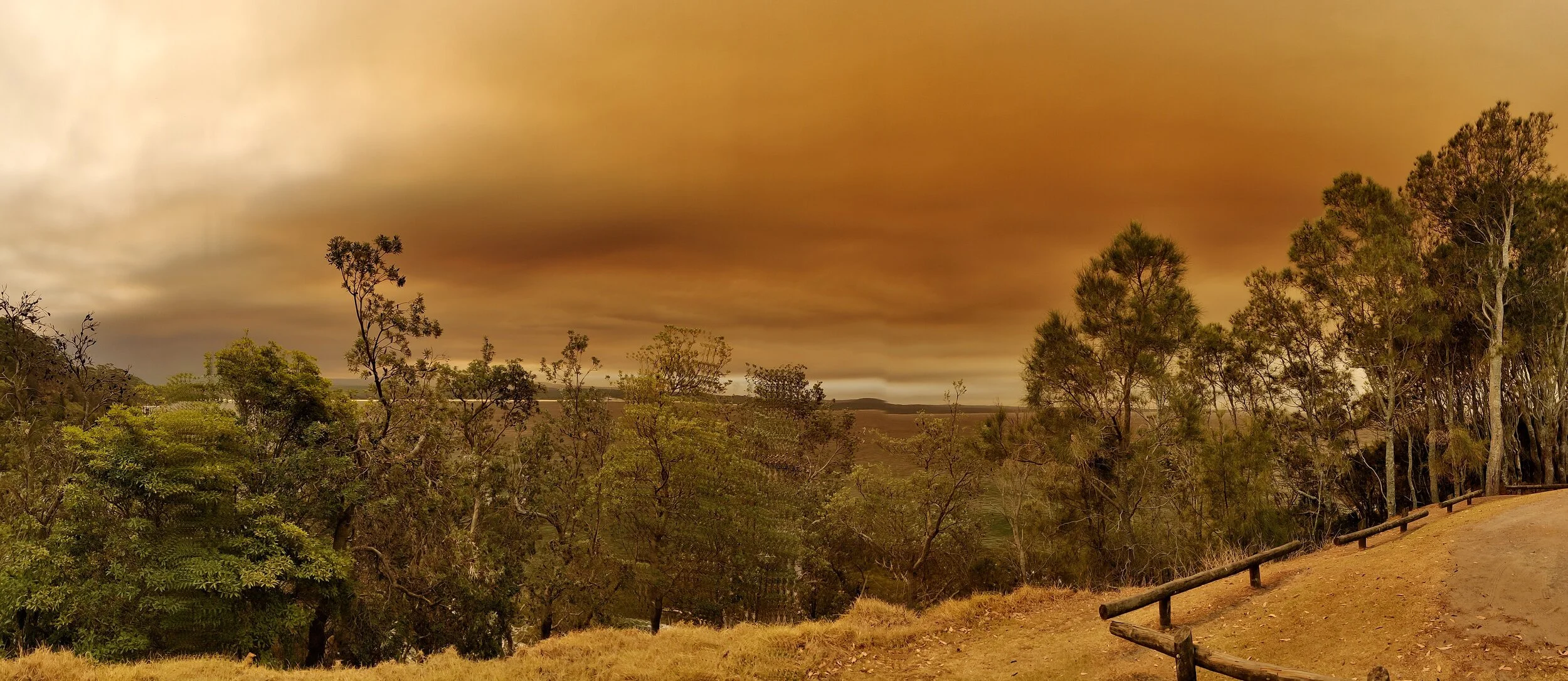








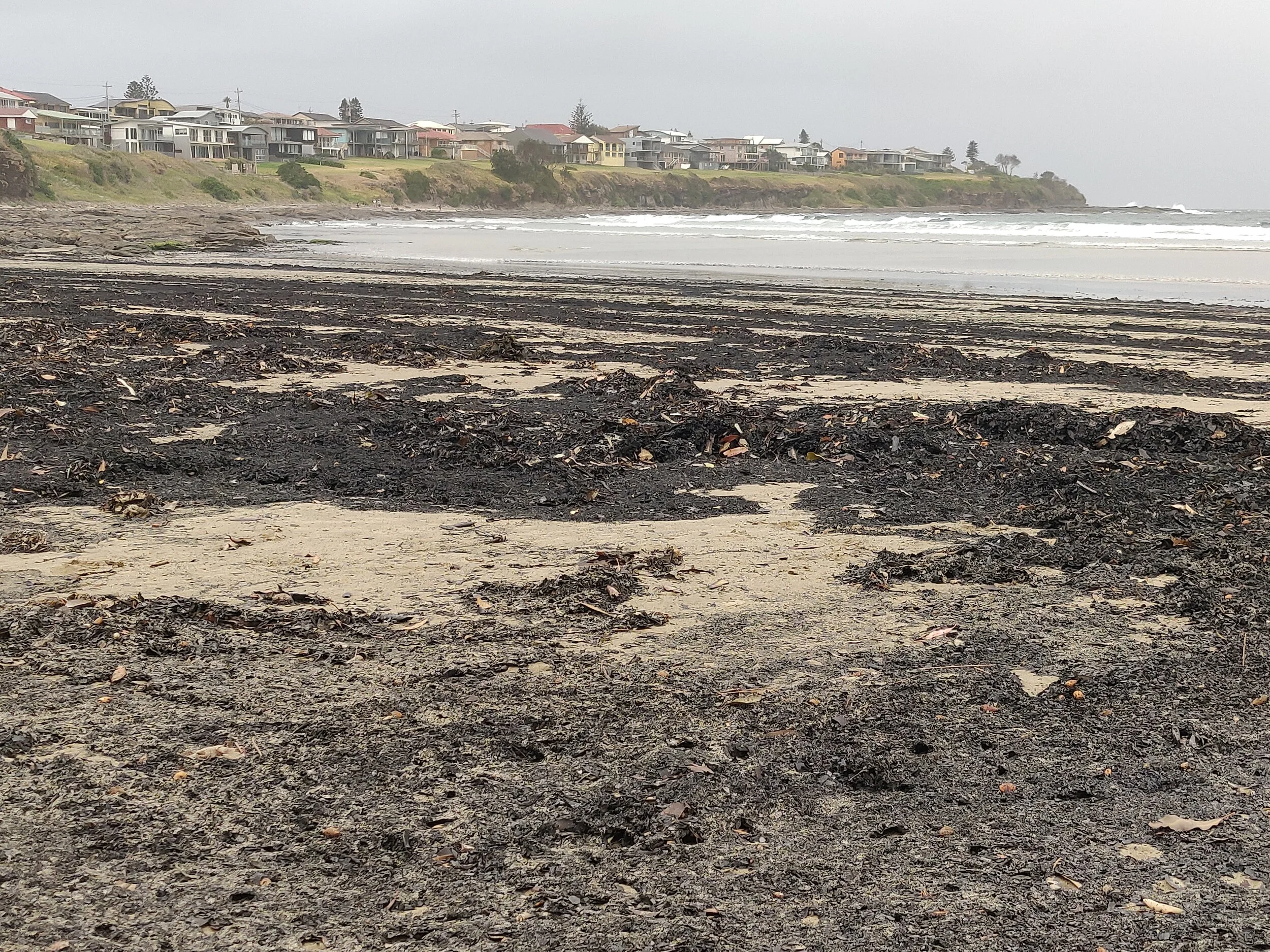
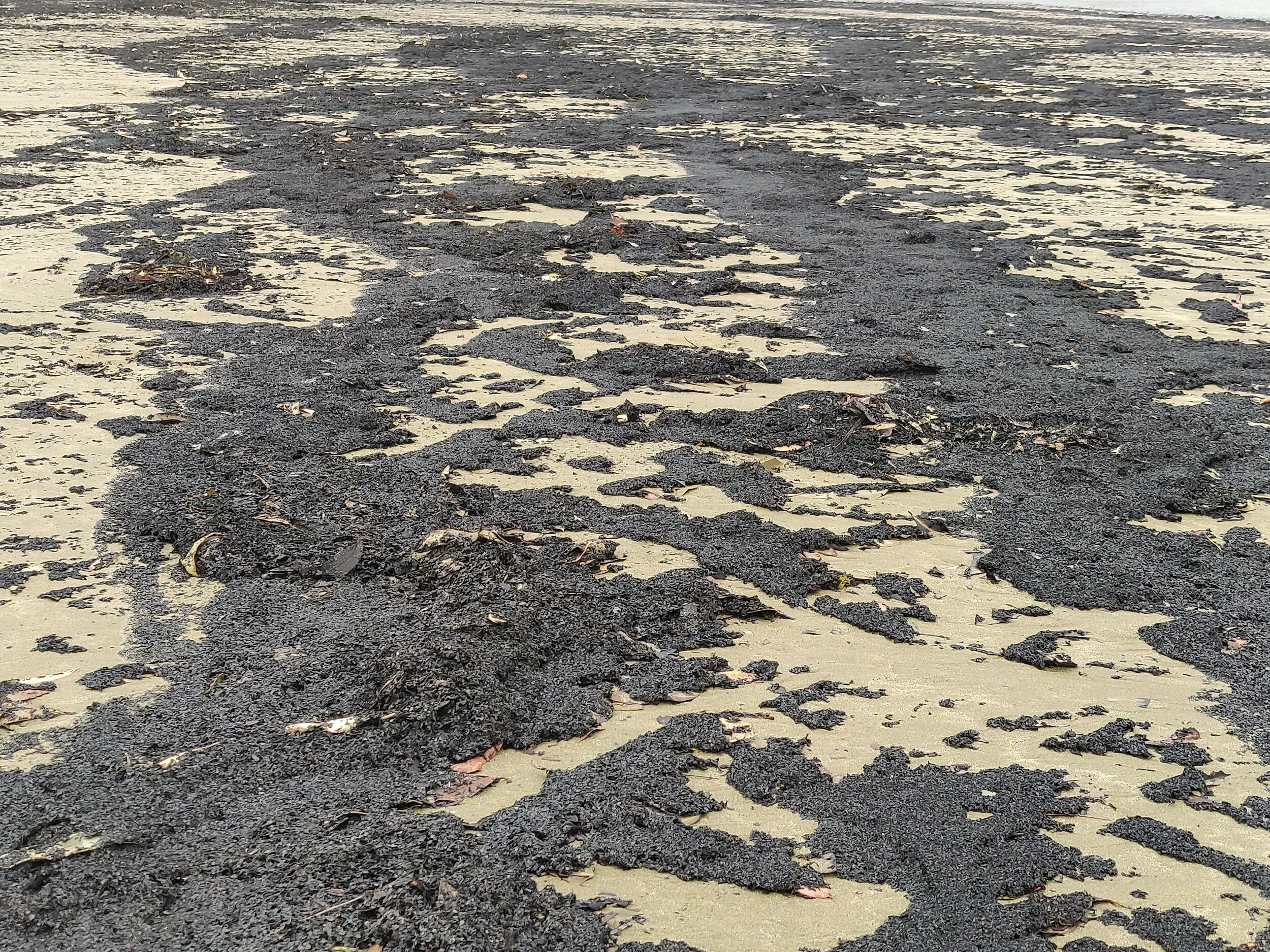
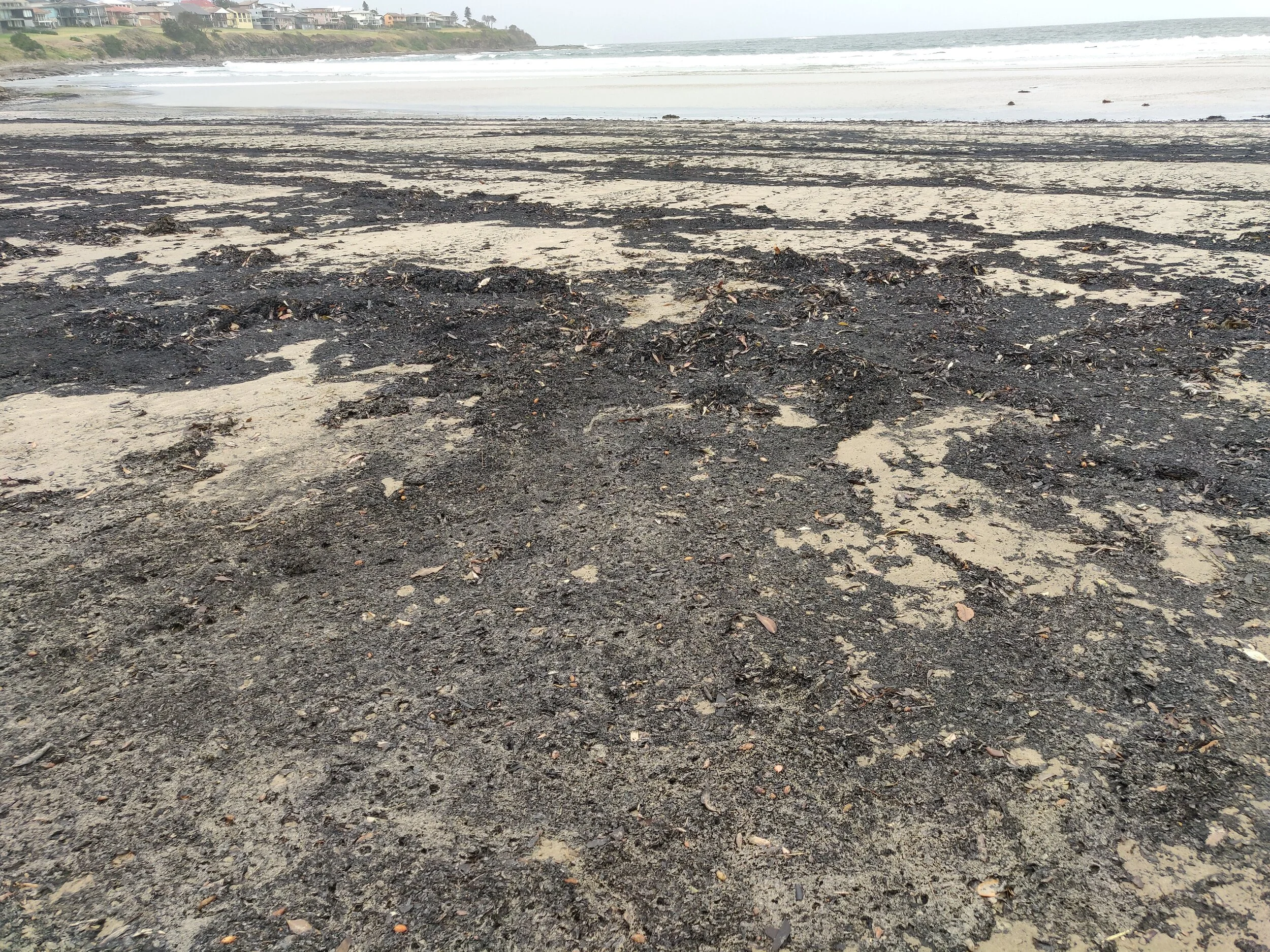
Caption: Photos taken on the South Coast of New South Wales between December 23, 2019 and January 6, 2020. I had to bury a deceased kangaroo with my own hands at Werri Beach, Gerringong; and look back at Sussex Inlet ablaze as the kids and I were in Mollymook, NSW, considering whether or not the roads would be opened for us the following day to return North toward Sydney.
For me, real innovation that counts has to do with people working more collaboratively during disaster situations or complex challenges. When we are without power, access to an automatic teller machine, or mobile phone access, even the Internet, we become particularly innovative. People left without backup generators have purchased numerous, people have gone back to transistor radios as towers were knocked out and television transmitters down. Necessity is still the mother of all invention.
Believing the Sci-Fi
But how do we grapple with 'all this innovation' when we contrast a timespan of a life well lived? Do we have 90-100 years? Perhaps. But what is our quality of life during that time scale? As we continue to increase our life expectancy ever so slowly upward, what does this mean for us in real terms. Why are we seeking electronics to take over care responsibilities? Are robots better for given duties than humans? Is innovation about wealth accumulation or are we returning to its real value, and our own real values?
I see where the transhumanist movement is coming from. Our sci-fi films depict a future where robots will be Mother and take over preservation of the human species, and regenerate, and recreate it all, in a way that is economic. I personally sense we are going down the wrong path when we concoct scenarios that are not in our best interests. I return to the basic premise that humans are analogue and not digital for a reason. I am afraid that this 'automation of everything' might well mean the fun parts of life are eradicated, as is spontaneity. This is one reason, why a great deal of the time, I don't rush to Google to satisfy my curiosity. I'd rather live certain things and know them, than just Google them, and relive them via someone else's rendition of reality.
What’s next for personal tech, when it comes to the really practical stuff people use or engage with in their daily lives? Smart phones, wearables, smart speakers like Alexa…
I am a little over IOT devices, smart everything, instantaneous access to information. We can't process it all in our human analog capacities. We need to give our minds and bodies a bit of a break from the unrelenting onslaught of media and tech screens, whether Netflix, a Fitbit, iPad, work laptop, or smartphone. The real practical stuff for people? Will be to know how to put the brakes on without impacting their families, colleagues, and community. One merely has to ask themselves the question- what about a life without a tv? Or a life without wifi? What about enough content that I can humanly process without impacting those loved ones around me? Our daily lives are rich, but technology has a way of keeping us distant from nature and one another.
The next personal tech that will impact our life?
Technology that tells us "enough's enough" at least for now, anyway. I am not speaking of rationing, nor of self-regulation through tracking and monitoring, but something that can have a positive health impact and reduce the burden on medical solutions to tech-born issues. Many academics, many industry people, many government personnel, suffer from what can only be described as colitis, the "Sitting Disease". This is a problem that technology that does not require us to be bound to desks for productivity will overcome. It may well come in the guise of Dragon Software that records speech to text with a high degree of accuracy, or videoconferencing software that won't require us to sit on endless long-haul flights to make an important presentation or meeting.
Personal tech that will gather momentum will be AI-inspired filing systems that know how to store various types of files and knowledge in an intuitive manner on your computer or smartphone. Depending on the operating system, we have some plain failures of attempting this file categorisation, and some other attempts that look like they will work with further research and development. This is the kind of thing that people require to help them become more productive and responsive, for instance, when using email. If this email can subsequently be linked to scheduling systems, it would help all people. We haven’t solved the problem of simple scheduling and logistical issues in the workplace between two parties. We have a lot of work to do with so-name smart assistants that really make a difference in one’s day.
What should we expect when it comes to automation, AI, and facial recognition? The good and the bad? Should we expect to see more applications integrating AI into personal health tools, for instance?
The path in which we are headed with respect to automation, AI and facial recognition is one that has multi-faceted outcomes- from the ability to remove the human factor from the process to minimise accidents, to surveillance via AI and voice/facial recognition. I will be able to categorise this in the context of new tools that can determine whether you should or should not go to work; tools that determine whether you are suffering from depression or are a fitting partner for someone on a prospective dating web site; or your potential to secure a full time position or get a scholastic education. Consider public microphones and CCTV in public places that can conduct social sorting- what might they tell us about individuals and their capacity and temperament? How is this information protected?
On the flipside we have the possibility to create educational tools that support learning like never before but this only if they are not discriminatory and do not signal someone's limitations based on socioeconomic factors or other sentiment analysis. Anti-trolling software seems to be something that universities and industry are investing quite a lot of money in but one cannot figure on the privacy erosion created as a side effect. Some companies have claimed that these tools can 'prevent' teenage suicide if identifying school trolls early in the process and subsequently help offenders rehabilitate. Vitally important tech applications that we might see if they become more affordable and customisable are innovations for those with disabilities (short and long-term). There is so much potential in this market, but it does come down to affordability, for those who can least afford the latest in innovation.
In the last few years, people have started reevaluating their own relationship to tech, and companies have taken note, with tools to control and monitor screen time and device usage. How will this play out in 2020?
Companies like BugBean for whom I've been an ambassador took up the challenge of addressing social media addiction several years ago. What happened is that their technology morphed in one way into a mechanism which was to passively screen for mental health monitoring.
As a privacy advocate, this raises alarm bells when I consider the level of scrutiny occurring with someone’s dataset and corresponding behaviours. One the one hand the aims are honorable as are the employees of the company; on the other side, this kind of practice seems to be collecting data that may well raise questions of individuals who are going through a difficult time temporarily only to be identified as possibly having a mental health condition. Technology can provide a part answer perhaps to issues, but must be corroborated with other information that provides context. I also think that this sort of data is highly sensitive. Universities in particular are also releasing information of this kind to researchers to further analyse.
How will the global market evolve? E.g. TikTok … On one hand, there are major security and privacy concerns, on the other hand, it’s the most popular app among teens. How will the dynamic between China and Silicon Valley evolve? Do you see any new international players coming into the mix?
We have witnessed a repositioning of the Chinese big tech companies reaching beyond their borders. At the same time we have heard accusations of industrial espionage and sabotage. My guess is the big tech firms of America that are generally non compliant to the GDPR will suffer a tremendous blow to their business model. Google created Alphabet for instance, to diversify their interests and to spread their risks. Companies like Facebook continue to grow their market capital and subscriber base despite the Cambridge Analytica scandal, but that can't last forever. There is no such thing as FREE and the business models of that "FREE" generation are dying. People are sick of online ads targetting them- yes things have to change. Customers awareness is also accelerating at the same time. China is moving rapidly toward an AI world. They are claiming to have ethical principles in mind with their build-outs, but all we are seeing is the deployment of automated facial recognition systems to target prospective minorities or underrepresented communities. This cannot be healthy.
Citation: Ramona Pringle interviews Katina Michael, January 6, 2020, “Tech 2020 and Beyond”, for CBC.