Designing online/offline experiences with children in mind
Citation: Nishan Chelvachandran and Katina Michael, with Moira Patterson (M), Jenna Castanier (S), October 28, 2021, 3-4:30pm (EDT), “Designing online/offline experiences with children in mind”, ISTAS21 Special Session.
Program Description
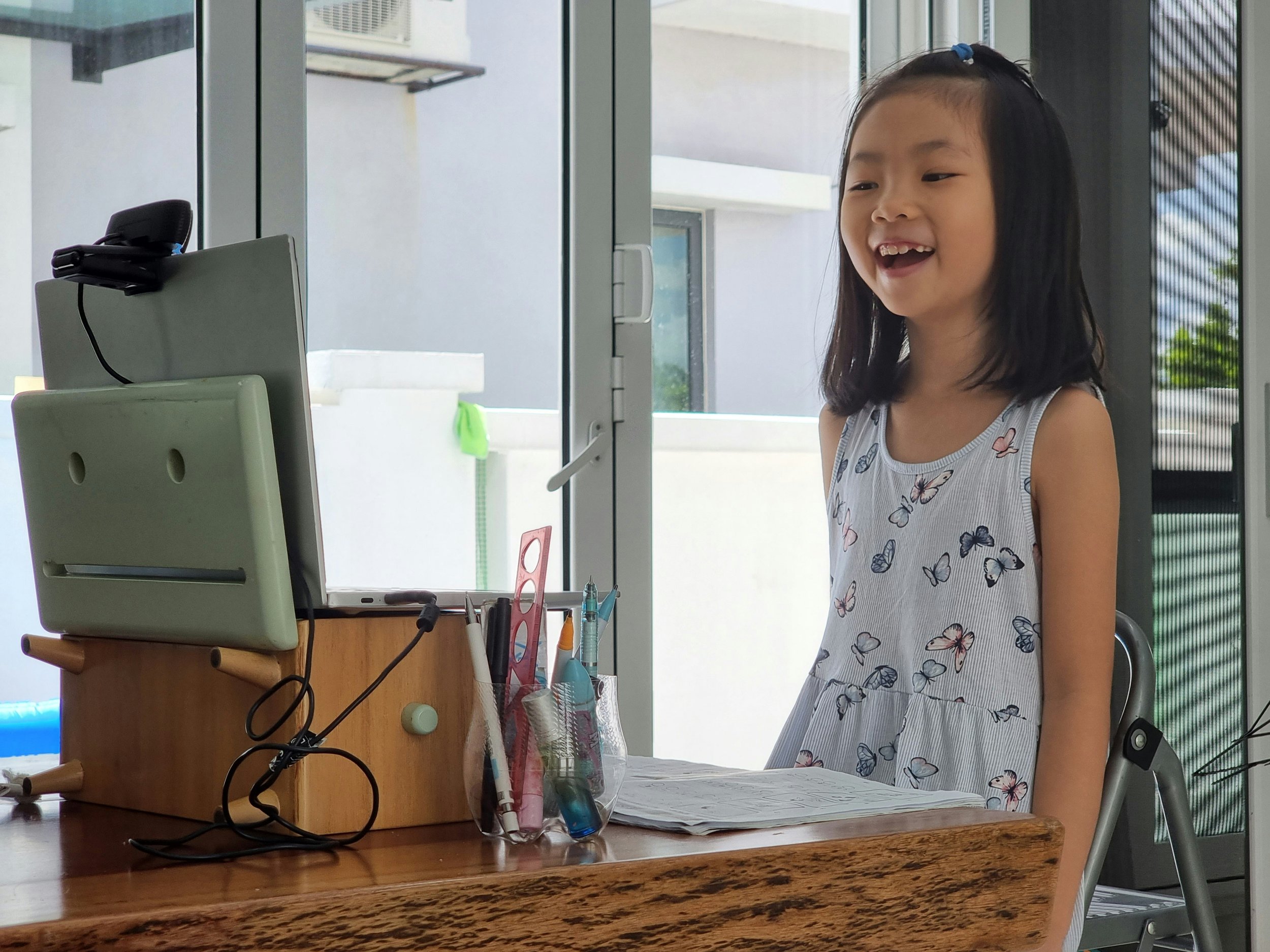
Children need space to grow up, learn, evolve in a manner that allows them to develop through their stages of evolving capacities in a trustworthy environment. The exposure of children in cyberspace opens a wide spectrum of opportunities and risks. Educational apps, social networks, and connected toys open up possibilities to enhance inclusion, learning opportunities, and new experiences for children, but they also create serious risks relating to privacy, safety, security, and ultimately the mental and physical wellbeing of children. How can we design an online/offline environment that is made for children and keeps their best interests in mind?
Keywords
Childhood, intersectionality, user feedback, inclusive design.
This panel focused on the question of childhood in today’s connected and online world. Moira Patterson began talking about how it is important for children to have a safe and private way to grow up, and how opportunities that arise from the growth of technology also contain risks. Nishan Chelvachandran then talked about the intersectionality of technology in so many aspects of children’s lives. Education is a big example of this, as different areas of the world have vastly different infrastructures that impact access to schooling, and recently and especially during the COVID-19 pandemic. More examples of intersectionality are seen in gaming, social interactions, the digital divide, etc. When speaking about social interactions one has while playing online games with strangers, Nishan said, “How do these interactions actually change us as humans?”. Nishan shared an impactful line saying, “made with kids not for kids.” Therefore, safe technology for children needs to include children as developers of that technology.
Notably, throughout the session, the conversation in the chat function of the platform centred on the science fiction TV series “Black Mirror”, and how some of the topics/scenarios discussed in that show seem to be inspiring actual technological developments with seemingly little worry about potential negative results.
Katina Michael began the more interactive portion of the panel by sharing the song Give the Young A Chance by Sami Yusuf to emphasize how important it is to listen to children while designing tools and interfaces that will inevitably affect them. She went on to talk about how the standards regarding this field greatly differ depending on where the research is coming from. A simple but vexing example of this is that the maximum age of a child can range greatly depending on where the research is taking place. She also talked about the IEEE standard in regard to the design and development cycle of interactive experiences for children before transitioning to the audience participation portion of the session. Michael then prompted attendees to open ‘jamboard’ by placing digital sticky notes in a common virtual ‘space,’ responding to various ethical dilemmas that may surface in the development process such as identifying appropriate stakeholders for consultation and concerns over retaining one’s intellectual property during a heated brainstorming session.
Overall, the research presented in this session offered a blend of technological expertise and pioneering academic research, and it effectively demonstrated the importance of communicating ethical design for children to the general public.
Session Presenters
Nishan Chelvachandran Iron Lakes, Chair of IEEE IC Trustworthy Technology Implementations for Children’s Online/Offline experiences
Katina Michael Professor, Arizona State University Chair of IEEE P2089 Working Group on Age Appropriate Digital Services Framework
Organizer/Moderator
Moira Patterson Global Market Affairs & Community Engagement Director, IEEE Standards Association
Scribe Jenna Castanier University of Waterloo
Citation: Nishan Chelvachandran and Katina Michael, with Moira Patterson (M), Jenna Castanier (S), October 28th, 2021, 3-4:30pm (EDT), “Designing online/offline experiences with children in mind”, ISTAS21 Special Session.